Choosing the Right Outdoor Greenhouse Heater

All Categories

Outdoor greenhouse heater

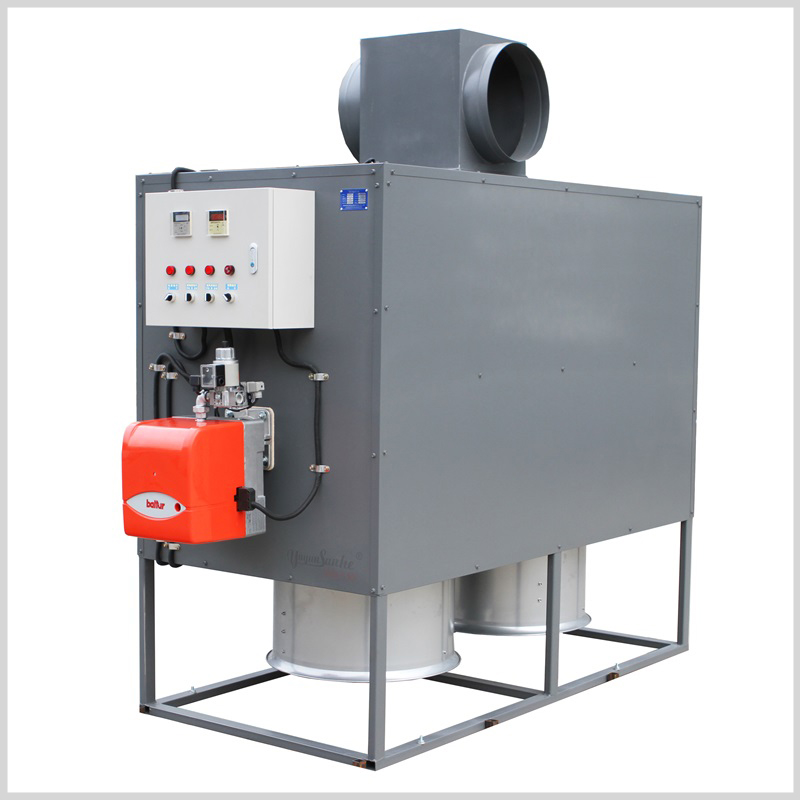
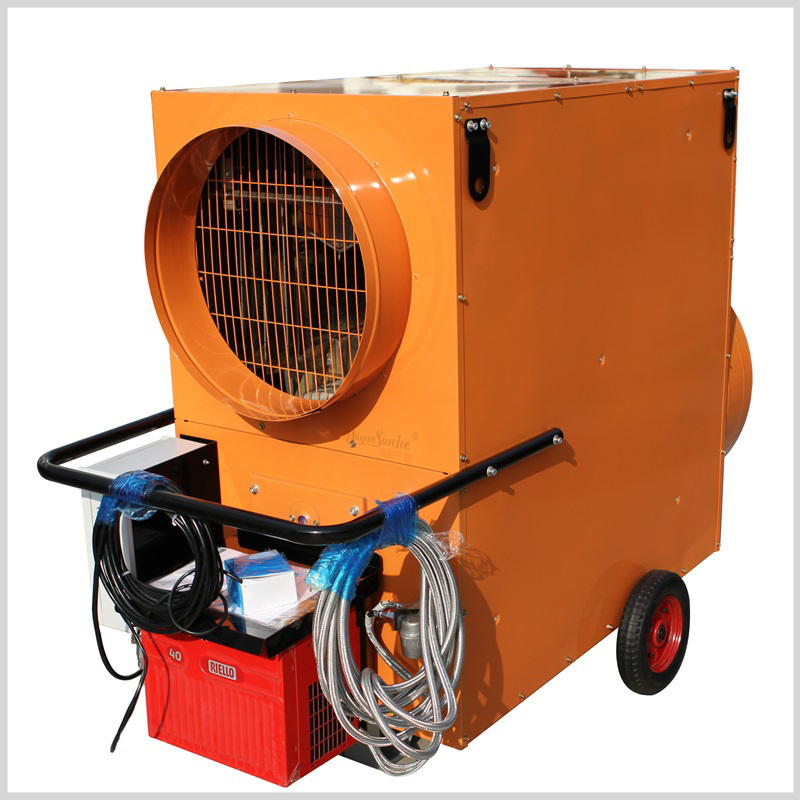
Outdoor greenhouse heaters play a crucial role in maintaining optimal temperatures for plants, especially during colder months. For B2B buyers such as purchasing managers, distributors, and engineers, understanding the right outdoor greenhouse heater to meet specific needs is essential. This article will provide insights into selecting the appropriate outdoor greenhouse heater, evaluating manufacturers, key specifications to consider, and common challenges with these greenhouse heater, ultimately assisting you in making an informed purchasing decision.
A Comprehensive Guide

A Comprehensive Guide

To guide you through the selection of an outdoor greenhouse heater, start by evaluating the specific requirements of your greenhouse. Conduct a heat loss calculation to determine the minimum output needed to maintain desired temperatures during colder months. This calculation considers factors such as greenhouse insulation, local climate, and plant types. 

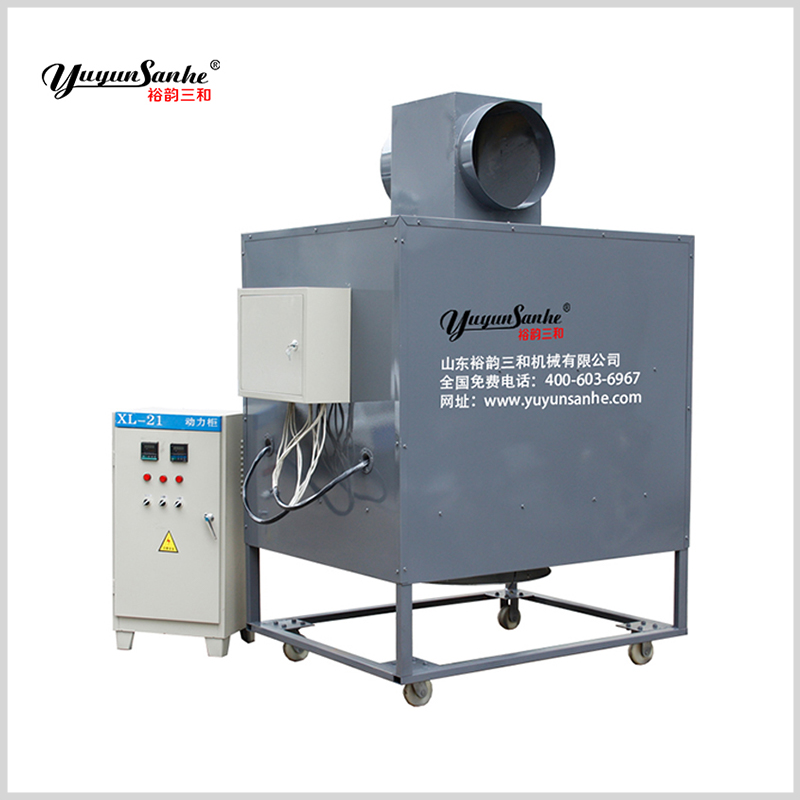
Next, familiarize yourself with the different types of heaters available. For example, radiant diesel heater for greenhouse provide direct heat to plants and surfaces, while convection heaters warm the air within the greenhouse. Each type serves specific applications and has varying installation requirements. 

How to Assess Outdoor Greenhouse Heater Manufacturers

How to Assess Outdoor Greenhouse Heater Manufacturers

When evaluating outdoor greenhouse heater manufacturers, pay attention to several key factors. First, assess their manufacturing capabilities, including facility size, production equipment, and quality control processes. A well-organized factory, such as the 30,000 sqm facility operated by Shandong Yuyun Sanhe Machinery Co., Ltd., often indicates a commitment to quality and efficiency. 

Next, review certifications and compliance with industry standards. Manufacturers should provide documentation for certifications like ISO, CE, and RoHS, which demonstrate adherence to quality and safety requirements. 


Key Specifications of High-Quality Outdoor Greenhouse Heaters

Key Specifications of High-Quality Outdoor Greenhouse Heaters

When assessing outdoor greenhouse heaters, several key specifications should be prioritized: 

Heating Capacity: As previously mentioned, this is critical for ensuring that the heater can keep the greenhouse warm enough for plant growth. It should align with your heat loss calculations. 

Material Quality: High-quality materials enhance durability and efficiency. Look for heaters made from rust-resistant metals or high-grade plastics that can withstand the greenhouse environment. 

Energy Efficiency: Check the heater's efficiency rating. Models with higher efficiency ratings can save on energy costs, making them more economical in the long term. 

Control Features: Advanced models may offer programmable thermostats, timers, or remote controls, allowing for better temperature management and energy conservation. 

Safety Features: Ensure the heater has necessary safety mechanisms, such as automatic shut-off systems in case of overheating or tip-over protection. 


Common Problems with Outdoor Greenhouse Heaters and Effective Solutions

Despite their benefits, outdoor greenhouse heaters can encounter common problems that may affect performance. One frequent issue is inadequate heating, which can result from an undersized unit or poor insulation in the greenhouse. To address this, ensure the heater selected meets the calculated heating needs and consider improving the greenhouse's insulation to retain heat better. 

Another common problem is inconsistent temperature distribution. This can be mitigated by strategically placing the heater in a central location and using fans or circulation systems to ensure even air distribution. 


Frequently Asked Questions

What is the Outdoor greenhouse heater used for?

Designed to provide reliable heat for greenhouses and outdoor plant areas, maintaining stable temperatures to support growth and prevent frost damage.
Our heaters use electric or gas options depending on model; available types include forced-air and radiant units. Specify preferred fuel when ordering.
Models vary; capacity ranges cover small to large greenhouses. Contact us with dimensions and target temperature for a recommended model.
Yes. Manufactured under strict QC in our 30,000 sqm factory and certified with ISO9001, CE, and RoHS to ensure safety and reliability.
Yes. We provide technical guidance, installation instructions, spare parts, and global after-sales support for customers in over 70 countries.

Our Blog Posts

How Ventilation Exhaust Fans Can Optimize Poultry Farm Efficiency

10

Feb

How Ventilation Exhaust Fans Can Optimize Poultry Farm Efficiency

Poultry farming is difficult and hard work. Egg-laying depends on farmers working hard to keep their chickens healthy. A big part of helping the chickens is to provide the best air flow possible in the barn. That means the chickens have fresh air to ...
View More
Why Heavy Hammer Exhaust Fans Are the Preferred Choice for Large Facilities

10

Feb

Why Heavy Hammer Exhaust Fans Are the Preferred Choice for Large Facilities

Heavy Hammer Exhaust Fans: How They Contribute to Better Air QualityBut good air quality has long been an important for big buildings. Overall, Heavy Hammer Exhaust Fans Sort Air out Old And Dirty Air, inside is Vital, Weight Hammer Exhaust Fans Aid ...
View More
The Role of Industrial Ventilation Fans in Workplace Safety

22

Oct

The Role of Industrial Ventilation Fans in Workplace Safety

This holding of workers’ safe is what comes to mind when we speak about keeping workers safe at their jobs, especially if they work in factories, industrial ventilation fans have an important role to play. It is at this point that these fans, which a...
View More
How Cooling Pads Reduce Energy Costs in Large-Scale Ventilation Systems

08

Dec

How Cooling Pads Reduce Energy Costs in Large-Scale Ventilation Systems

Cooling pads are an intelligent means to assist large air fans and systems to function better, without consuming a lot of power. Big systems bring in fresh outdoor air and produce cool air for large buildings like factories. These systems may require...
View More

Get In Touch

Sophie Dong
Lorna Gao