Louvered Windows: A Comprehensive Buying Guide

All Categories

louvered windows

Louvered windows are a specialized architectural feature designed to enhance ventilation while protecting interiors from external elements. As a key component in climate control systems, they are particularly relevant for industries focused on ventilation and building design. Buyers often prioritize energy efficiency, durability, and ease of installation when considering louvered windows. This article aims to provide valuable insights into selecting the right louvered windows for your projects, covering installation challenges, material advantages, and effective comparison methods.
A Buyeru2019s Guide

A Buyeru2019s Guide

When purchasing louvered windows, consider the following key factors:

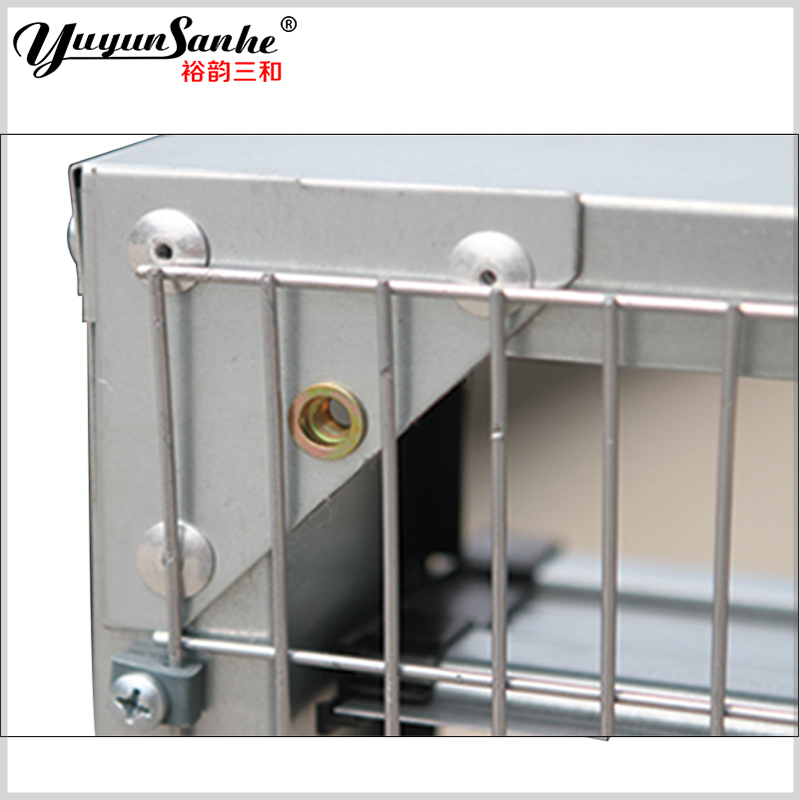
Material Selection: Common materials include aluminum, fiberglass, and PVC. Each has unique properties affecting weather resistance, weight, and insulation. Dimensions and Customization: Ensure that the dimensions fit your project specifications. Many manufacturers offer customization options to meet unique architectural designs. Performance Specifications: Look for information on airflow rates, resistance to wind and rain, and thermal performance. These can vary significantly among products. Installation Requirements: Understand the installation process, including required tools and potential challenges. This can impact lead times and overall project timelines. Lead Time and MOQ: Confirm the manufacturer's minimum order quantity (MOQ) and typical lead times to align with your project schedule. Always request detailed product data sheets and consider visiting the manufacturer’s facility if possible. This can provide insights into production quality and capabilities.
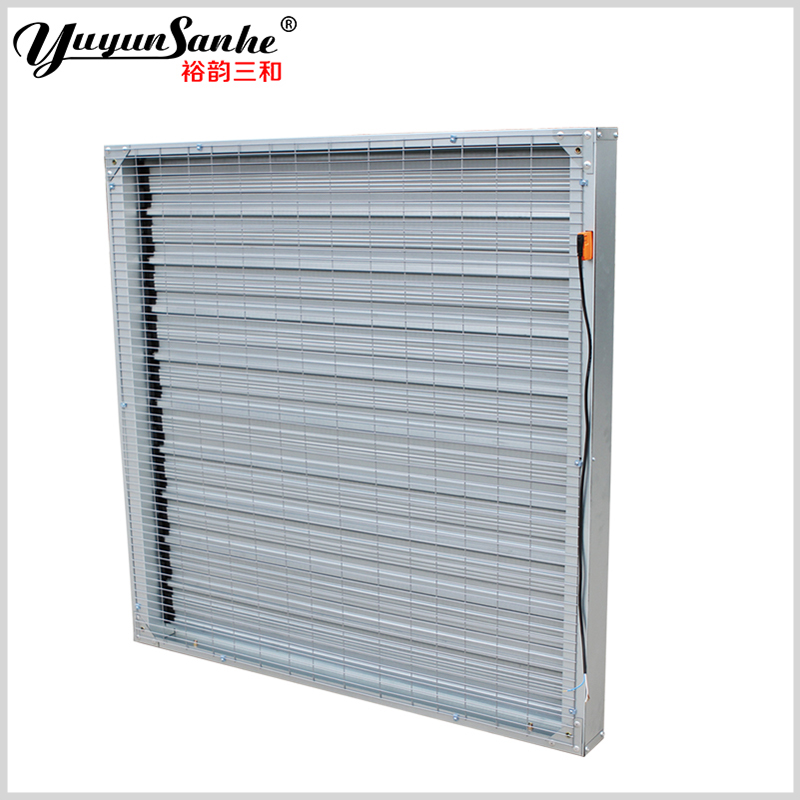
Common Installation Challenges with Louvered Windows and Solutions

Common Installation Challenges with Louvered Windows and Solutions

Installing louvered windows can present several challenges, including:

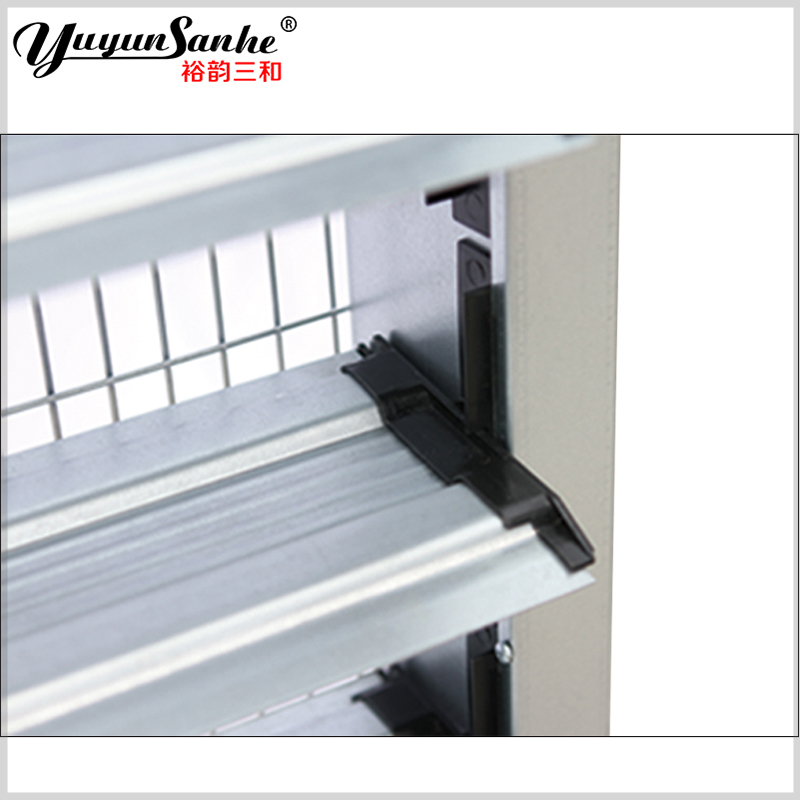
Alignment Issues: Misalignment during installation can affect performance and aesthetics. To mitigate this, conduct a thorough pre-installation review of the opening dimensions and ensure proper leveling before securing the windows. Water Ingress: Improper sealing can lead to water leaks. Use high-quality sealants and ensure that the installation angle is conducive to drainage. Airflow Restrictions: Poor placement can restrict airflow. Evaluate the surrounding structures to optimize the positioning of louvered windows for maximum ventilation. Material Compatibility: Different materials may expand or contract differently, leading to gaps or warping. Ensure that the materials used for the frame and the louvered windows are compatible to prevent future issues. Addressing these challenges ahead of time can improve installation efficiency and product performance.
Evaluating Material Advantages for Louvered Windows in Your Projects

Evaluating Material Advantages for Louvered Windows in Your Projects

Material choice is critical in determining the performance and longevity of louvered windows. Here’s a breakdown of common materials:

Aluminum: Known for its durability and resistance to corrosion, aluminum is a popular choice for commercial applications. It’s lightweight and can be easily customized. Fiberglass: Offers excellent thermal insulation and is resistant to warping. This material is ideal for environments with extreme temperature fluctuations. PVC: A cost-effective option that provides good insulation and is resistant to moisture and chemicals. However, it may not be as robust as aluminum or fiberglass in high-stress environments. When evaluating materials, consider the specific environmental conditions of your installation site, such as exposure to saltwater or extreme temperatures. The appropriate material will enhance the functionality and lifespan of your louvered windows.

How to Compare Different Louvered Windows for Your Projects

To effectively compare louvered windows, focus on these criteria:

Performance Ratings: Look at airflow efficiency ratings, resistance to wind pressure, and thermal performance metrics. These ratings provide insight into how well the windows will perform under varying conditions. Customization Options: Assess the customization capabilities of each supplier. Custom sizes, colors, and finishes can significantly affect integration with existing structures. Quality Assurance: Verify the manufacturer’s quality control processes. Companies like Shandong Yuyun Sanhe Machinery Co., Ltd. follow strict quality protocols, ensuring their products meet international standards. Warranty and Support: Check the warranty offered on the windows. A strong warranty can indicate the manufacturer’s confidence in their product quality and provide peace of mind for buyers. Cost Considerations: While price is an important factor, consider the total cost of ownership, which includes installation, maintenance, and energy efficiency over time. By systematically evaluating these criteria, you can make informed decisions that align with your project goals and budget.

Selecting the right louvered windows for your project involves a careful assessment of various factors, including material selection, installation challenges, and performance specifications. Understanding these elements will empower you to make informed decisions that enhance the functionality and efficiency of your installations. Furthermore, incorporating essential equipment like Maintenance-Free Variable Speed Direct Drive Exhaust Fan with EC Motor can complement the overall effectiveness of your ventilation system.

Frequently Asked Questions

What are louvered windows used for?

Louvered windows provide adjustable ventilation, light control, and protection from rain, ideal for ventilation, cooling, and climate control in agricultural and industrial settings.
Our louvered windows are made from durable, corrosion-resistant materials selected for long service life and compatibility with ventilation systems produced in our factory.
Yes. Products from our 30,000 sqm factory follow strict quality control and hold ISO9001, CE, and RoHS certifications to ensure safety and performance.
Yes. We offer customization in size, louver angle, materials, and mounting options to fit specific ventilation and breeding facility requirements.
Typical lead time depends on order size; we export to over 70 countries and can provide delivery estimates and shipping options after order confirmation.

Our Blog Posts

Best 5 Manufacturers for Exhaust Fan

07

Sep

Best 5 Manufacturers for Exhaust Fan

Proper ventilation is key to creating a healthy and comfortable environment in homes as well as commercial spaces. It not only helps to keep the indoor air fresh and breathable, but it also works in decreasing excess moisture that can encourage mold/...
View More
Top 4 Motor Directly Drive Exhaust Fan Manufacturers in the USA

16

Jul

Top 4 Motor Directly Drive Exhaust Fan Manufacturers in the USA

Choosing the right exhaust fan is very important for many business, specially those who need keep air moving in factories, warehouses and big spaces. Direct drive exhaust fans are popular becuse they reliable and easy maintain. In USA, lots companies...
View More
How to Design a Greenhouse Ventilation System for Different Climates?

21

Nov

How to Design a Greenhouse Ventilation System for Different Climates?

Realizing the significance of proper ventilation in the greenhousePlants need good air to grow, just as people need it to feel good. Air flow is a key in a greenhouse as it keeps the temperature and humidity in check. If the air doesn’t circulate, pl...
View More
How to Calculate the Right Fan Capacity for Your Greenhouse

01

Dec

How to Calculate the Right Fan Capacity for Your Greenhouse

One of the factors to consider when establishing a greenhouse is how much fresh air your plants need. This fresh air will help your plants grow up tall and strong. To ensure air reaches your plants, you’ll have to select the proper size fan to move a...
View More

Get In Touch

Sophie Dong
Lorna Gao