Choosing the Right Industrial Water Tank for Your Needs

All Categories

industrial water tank

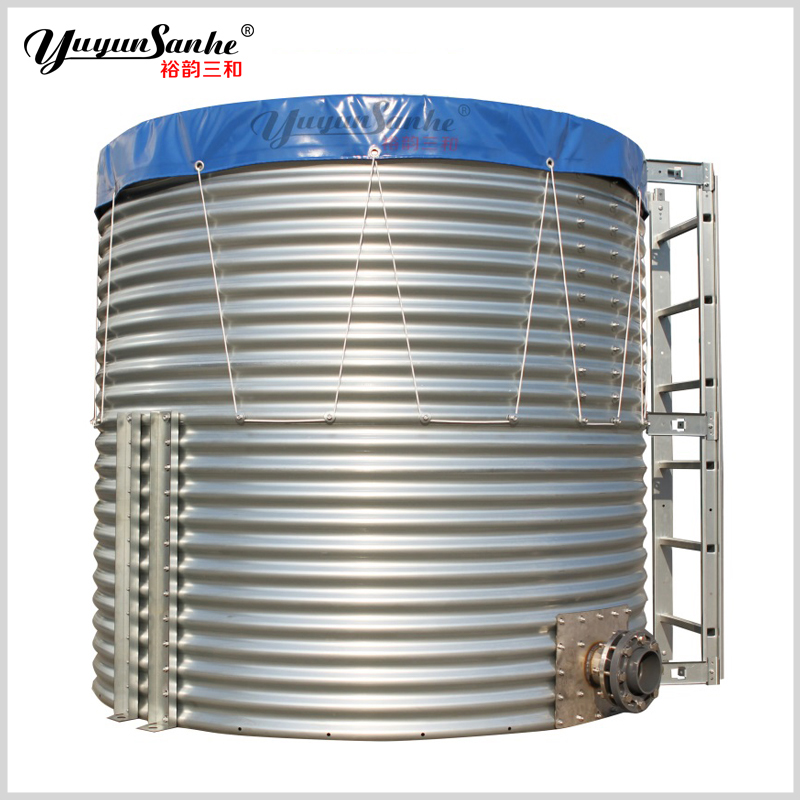
Industrial water tanks are essential components in various sectors, providing a reliable means of storing water for numerous industrial applications. For B2B buyers, such as purchasing managers and engineers, selecting the right industrial water tank involves careful consideration of several factors, including specifications, materials, and suitability for specific applications. This article will guide you through the key aspects of choosing and sourcing industrial water tanks, helping you make informed purchasing decisions.
Key Specifications to Consider When Sourcing Water Tanks

Key Specifications to Consider When Sourcing Water Tanks

When sourcing industrial water tanks, several critical specifications should be evaluated to ensure the tank meets all operational requirements.

Material: Common materials for industrial water tanks include polyethylene, fiberglass, and stainless steel. Each material offers different benefits: polyethylene is lightweight and resistant to corrosion, while stainless steel provides superior strength and durability. Consider the chemical compatibility of the tank material with the contents to avoid degradation.

Capacity: Determine the volume of water you need to store. Tanks are available in various sizes, and it's vital to select one that meets your operational needs without excess capacity that could lead to unnecessary costs.

Pressure Rating: Depending on your application, the tank may need to withstand specific pressure levels. Ensure that the chosen tank can handle the expected pressure without risk of failure.

Dimensions: Size matters not only for functionality but also for installation. Ensure that the tank dimensions fit your designated space while allowing for necessary access and maintenance.

Certification: Verify that the tanks meet the required certifications, such as ISO9001 or CE, which ensure quality and safety standards.

Understanding these specifications will help you evaluate potential options effectively and choose a tank that is both functional and compliant with industry standards.
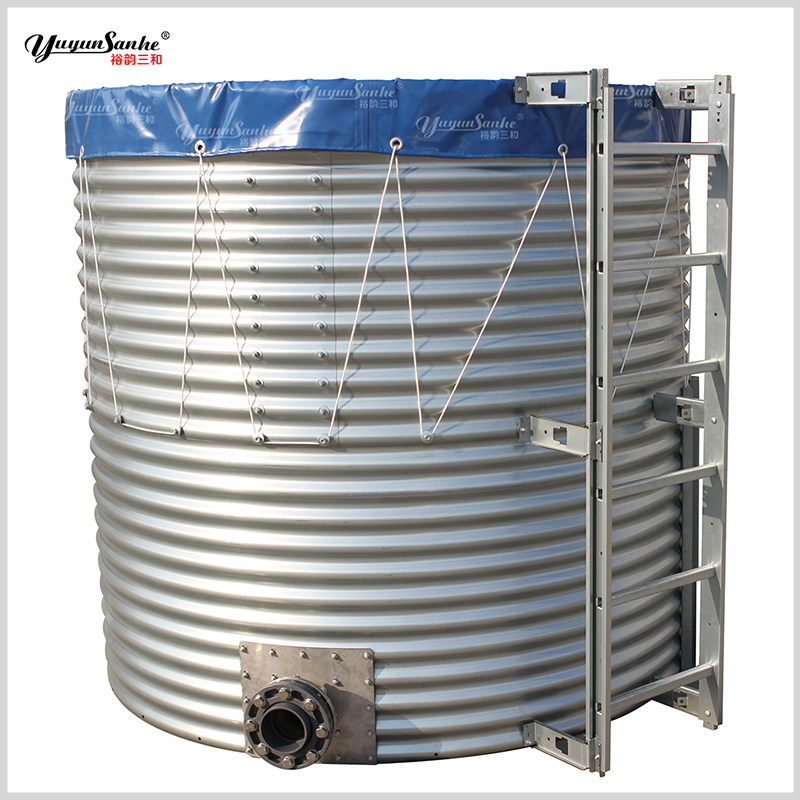
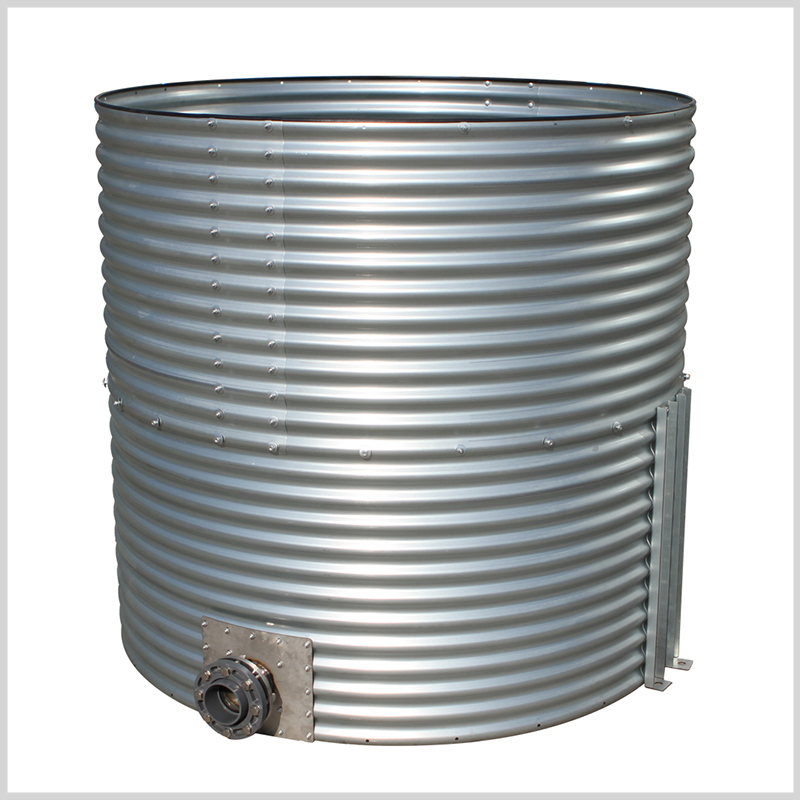
How to Compare Industrial Water Tanks for Bulk Purchases

How to Compare Industrial Water Tanks for Bulk Purchases

When purchasing industrial water tanks in bulk, comparison becomes essential to secure the best value and quality. Start by creating a checklist of the specifications outlined earlier. Here are key points to consider when comparing different suppliers:

Price per unit: While it may be tempting to go for the lowest price, consider the overall value, including quality and service. A lower upfront cost could lead to higher maintenance and replacement costs in the long run.

Lead time: Inquire about manufacturing and delivery lead times, especially if your project timeline is tight. A reliable supplier should provide clear information on expected delivery schedules.

Customization options: Depending on your application, you may require tanks that meet specific design or performance criteria. Assess whether suppliers offer customization, such as size adjustments or specialized coatings, as seen with Other Accessaries.

Warranty and support: Review warranty terms and after-sale support offered by the manufacturer. A solid warranty and responsive customer service can provide peace of mind and assistance in case of issues post-purchase.

Reputation and experience: Research potential suppliers' backgrounds. A manufacturer with extensive experience, such as Shandong Yuyun Sanhe Machinery Co., Ltd., can offer assurance of quality and reliability.

By systematically comparing these factors, you can make a more informed decision when purchasing industrial water tanks in bulk.

Understanding the Cost Factors of Industrial Water Tanks

Understanding the Cost Factors of Industrial Water Tanks

The cost of industrial water tanks can vary widely based on several factors, which buyers should understand to budget effectively. Here are the primary cost considerations:

Material choice: As mentioned previously, different materials come with varying costs. Stainless steel, for instance, is typically more expensive than polyethylene but offers greater durability.

Size and capacity: Larger tanks generally cost more due to the increased material and manufacturing complexity. However, consider the total volume needed for your operations to avoid overpaying for unnecessary capacity.

Customization and features: Additional features, such as specialized coatings for chemical resistance or integrated filtration systems, will increase the overall price. Determine which features are essential for your application.

Transportation costs: Depending on the tank's size and weight, shipping costs can significantly impact the total purchase price. Check if the supplier includes shipping in their quote or if it will be an additional expense.

Installation: Factor in the costs associated with installation, which may require specialized labor, especially for larger tanks. Some manufacturers may offer installation services or recommendations.

By understanding these cost factors, you can better estimate the total expenditure associated with acquiring the right industrial water tank for your needs.

Installation Guidance for Optimal Use of Industrial Water Tanks

Proper installation of industrial water tanks is crucial for ensuring optimal performance and longevity. Here are essential steps and considerations for a successful installation:

Site Preparation: Before installation, ensure that the site is properly prepared. This includes ensuring a stable, level foundation capable of supporting the tank's weight when full.

Access Requirements: Ensure there is adequate access for installation and future maintenance. Consider the space required for any additional equipment or piping associated with the tank.

Connection and Plumbing: Follow manufacturer guidelines for plumbing connections to ensure proper water flow and drainage. Incorrect connections can lead to leaks or operational failures.

Ventilation: If the tank will contain water that may have chemical interactions, proper ventilation is crucial to prevent buildup of harmful gases.

Testing: After installation, conduct a thorough inspection and testing of the tank and connections to ensure everything functions as intended before putting the system into full operation.

Regular Maintenance: Establish a routine maintenance schedule to inspect the tank for signs of wear, leaks, or corrosion. Early detection can prevent costly repairs and downtime.

By adhering to these installation guidelines, you can maximize the functionality and lifespan of your industrial water tank. Engaging with experienced manufacturers like Shandong Yuyun Sanhe Machinery Co., Ltd. can also provide valuable guidance during this process.

By understanding these key aspects of industrial water tanks, B2B buyers can make informed decisions that align with their operational needs and project goals.

Frequently Asked Questions

What is the industrial water tank used for?

Our industrial water tank stores and supplies water for cooling, ventilation, heating systems, and breeding applications in industrial and agricultural facilities.
We offer multiple sizes and capacities produced in our 30,000 sqm factory. Contact us with your required volume and dimensions for a tailored option.
Tanks are manufactured with durable materials under strict quality control and hold ISO9001, CE, and RoHS certifications.
Yes. Our R&D team provides customization for fittings, dimensions, and accessories to integrate with your ventilation, cooling, heating, or breeding systems.
We provide technical support, installation guidance, and warranty terms. Contact our sales team for specific warranty duration and service details.

Our Blog Posts

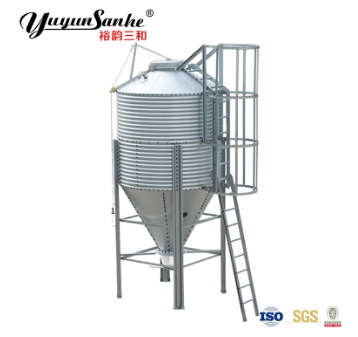
What to Consider When Choosing Chicken Feed Silos for Industrial Use

04

Mar

What to Consider When Choosing Chicken Feed Silos for Industrial Use

With chickens you have to consider how to best secure their feed and keep it fresh. To properly store their food, you will need a chicken feed silo. A chicken feed silo is a unique container dedicated to the storage of chicken feed. But what is a chi...
View More
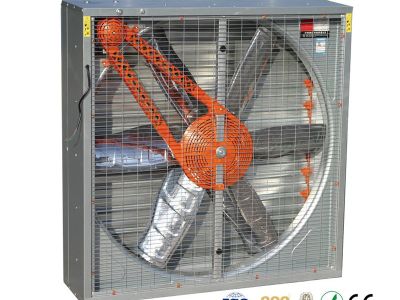
Why Exhaust Fans Are Essential for Industrial Applications

14

Oct

Why Exhaust Fans Are Essential for Industrial Applications

Super important, too, are exhaust fans in factories and other places where things are made. They these fans to keep air clean and safe for them to work in. YuyunSanhe has some great exhaust fans that help a lot in these places

Better air qua...
View More
Why High-Quality Cooling Pads Are Essential in Greenhouse Operations

07

Dec

Why High-Quality Cooling Pads Are Essential in Greenhouse Operations

Greenhouses are special structures used for growing plants. They also help protect plants from bad weather and from pests. On the other hand, the proper control of temperature in the interior of a greenhouse is a matter of very great importance for t...
View More
The Impact of Heater Placement on Performance

19

Dec

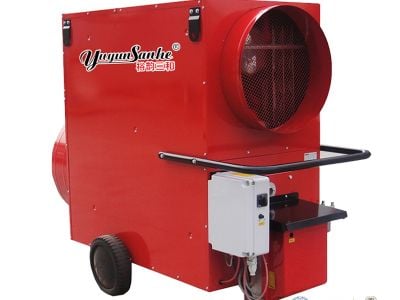
The Impact of Heater Placement on Performance

When it comes to getting the most out of your heaters, where you use them in a room is super important. If a heater is in the wrong spot, it doesn’t do its job as well as it should. This is to say some parts of the room stay cold, while others get un...
View More

Get In Touch

Sophie Dong
Lorna Gao