How to Purchase Industrial Fans in Bulk

All Categories

industrial fan

Industrial fans are essential components in various sectors, providing ventilation, cooling, and climate control solutions. For B2B buyers, purchasing industrial fans in bulk involves careful consideration of specifications, application suitability, and installation requirements. This article will guide you through the purchasing process, common challenges, cost factors, and applications of industrial fans to ensure a well-informed buying decision.
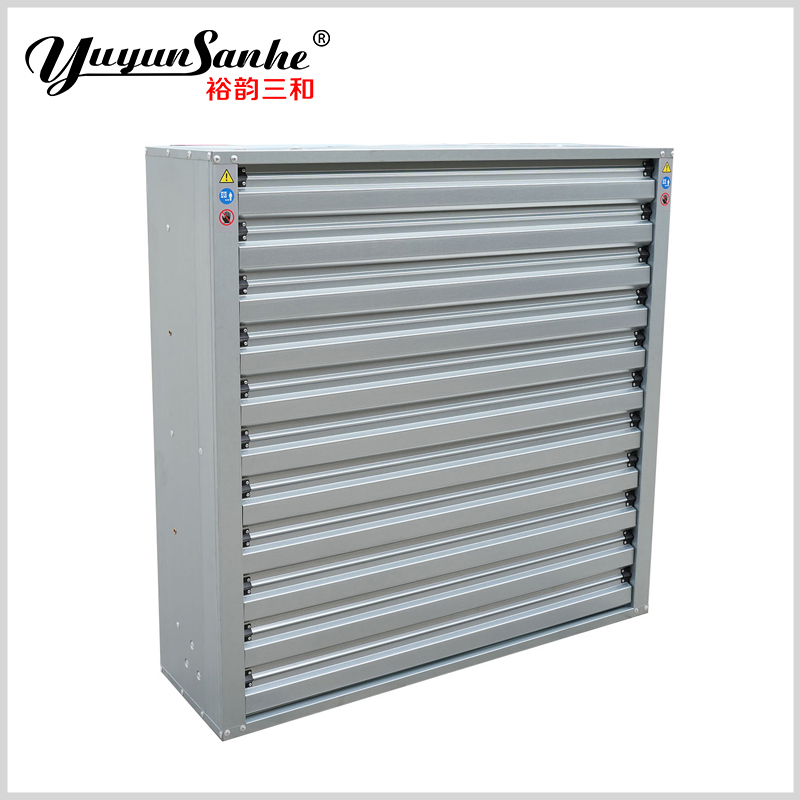
What Buyers Should Know

What Buyers Should Know

B2B buyers should familiarize themselves with critical specifications and performance metrics of industrial fans. Key areas to consider include:

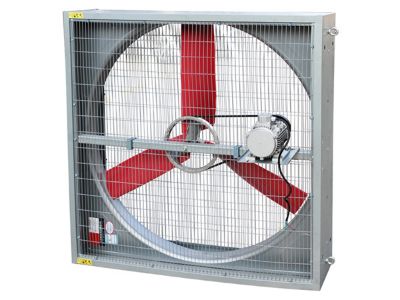
Airflow and Pressure Ratings: Understand how airflow (CFM) and static pressure affect performance. An insufficiently sized fan may lead to inadequate ventilation or higher energy costs.Materials: Industrial fans can be made from various materials, including stainless steel and high-density polyethylene (HDPE). The choice of material can impact durability, resistance to corrosion, and overall performance.Motor Specifications: Pay attention to motor efficiency ratings, as energy-efficient models can significantly reduce operational costs over time.Noise Levels: Consider the sound output, especially if the fan will be used in noise-sensitive environments. Noise ratings are often expressed in decibels (dB).

Buyers should also be aware of common pitfalls, such as overlooking installation requirements or failing to account for maintenance needs. Engaging with suppliers who have firsthand experience in the industry can help mitigate these issues.
Common Installation Challenges for Industrial Fans and Solutions

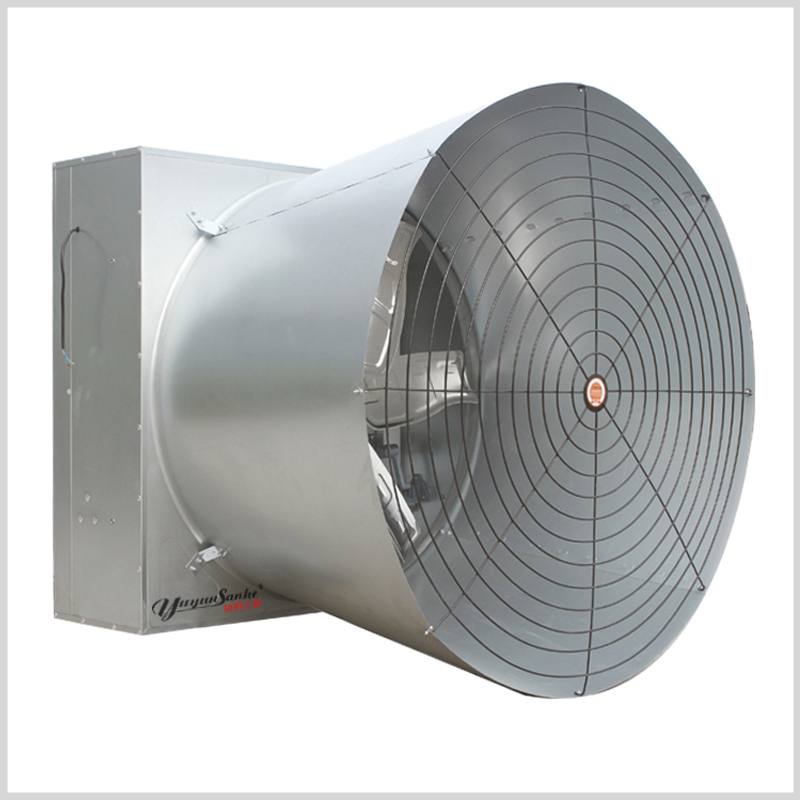
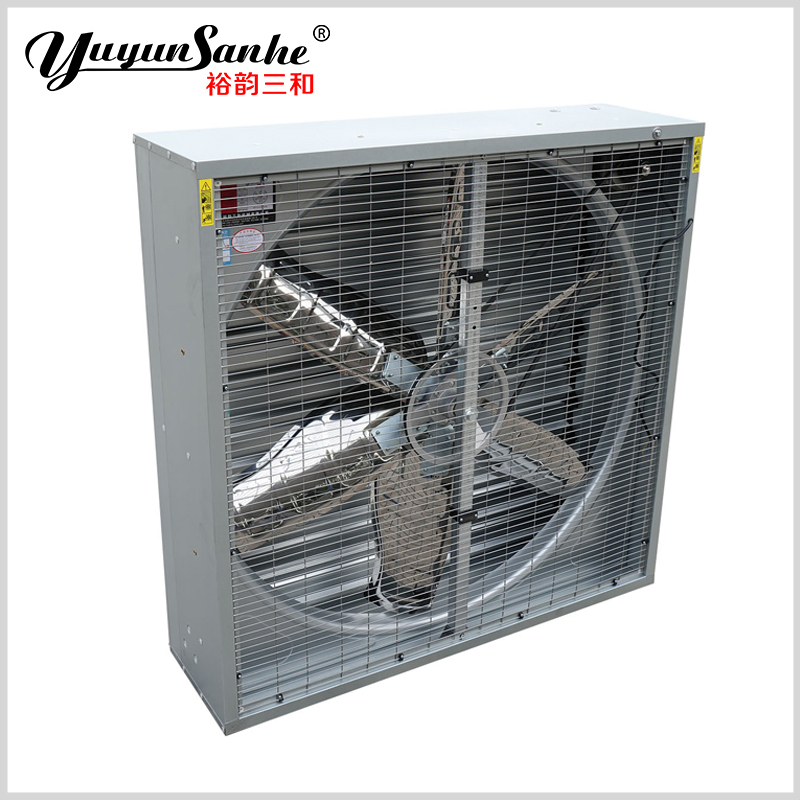
Common Installation Challenges for Industrial Fans and Solutions

Installing industrial fans can present challenges that require careful planning. Here are some common issues and potential solutions:

Space Constraints: Fans need adequate space for installation and airflow. Conduct a thorough site assessment to ensure there is enough clearance for both the fan and any ductwork.Vibration and Noise: Improper mounting can lead to excessive vibration and noise. Ensure the fan is mounted securely and consider using vibration isolators to minimize these issues.Electrical Considerations: Ensure that the electrical supply matches the fan’s requirements. Engage a qualified electrician to assess your facility's capacity and wiring needs.Maintenance Access: Design the installation with maintenance in mind. Ensure that all parts of the fan, including belts and motors, are easily accessible for routine checks and repairs.

By addressing these challenges upfront, you can avoid costly rework and ensure that your fans operate efficiently. Moreover, considering fans like the Maintenance-Free Variable Speed Direct Drive Exhaust Fan with EC Motor may also provide benefits in terms of operational efficiency.

Cost Factors to Consider When Purchasing Industrial Fans

Cost Factors to Consider When Purchasing Industrial Fans

Several factors can influence the cost of industrial fans. Understanding these can help you budget effectively:

Fan Type: Different types of fans come with varying price points. Axial fans tend to be less expensive than centrifugal fans, but the latter often provide better pressure capabilities.Customization: Special features like variable speed drives, advanced control systems, and specific material requirements can increase costs.Volume Discounts: Purchasing in bulk may qualify you for volume discounts, allowing for more favorable pricing.Shipping and Handling: Consider shipping costs, especially for international orders. Ensure that your supplier can accommodate your delivery requirements without significant additional charges.Maintenance and Operational Costs: While initial purchase price is important, factor in long-term operational costs, including energy consumption and maintenance needs. Investing in higher-quality, energy-efficient fans may yield lower overall costs over time.

Engaging with a manufacturer that emphasizes quality control can help ensure you receive a product that meets both budgetary and performance expectations.

Understanding the Applications of Industrial Fans in Various Industries

Industrial fans serve a multitude of applications across different sectors. Understanding these can help buyers select the right product for their needs:

Manufacturing: In manufacturing facilities, fans are often used for cooling processes, dust control, and ventilation. Proper airflow can enhance worker comfort and improve equipment efficiency.Agriculture: In livestock farming, fans help regulate temperature and humidity levels in barns and greenhouses, improving animal health and crop yields.HVAC Systems: Fans are integral to heating, ventilation, and air conditioning systems, distributing conditioned air throughout buildings to maintain indoor air quality.Mining and Construction: In these industries, fans are used for ventilation in enclosed spaces, helping to remove harmful gases and provide fresh air to workers.

By understanding how industrial fans apply to your industry, you can make more informed decisions when selecting products that meet your operational needs. Additionally, exploring options like Electric Shutter Louvers with Belimo Actuator can further enhance your operational capabilities.

With the right knowledge and preparation, purchasing industrial fans in bulk can be a straightforward process, ensuring your facility operates efficiently and effectively.

Frequently Asked Questions

What types of industrial fans do you manufacture?

We produce axial, centrifugal, and mixed-flow industrial fans for ventilation, cooling, heating, and breeding applications, custom-sized to client specifications from our 30,000 sqm factory.
Yes. Our fans are produced under strict quality control and hold ISO9001, CE, and RoHS certifications to meet international standards.
Yes. Our R&D team designs and customizes fan models and control systems for specific airflow, noise, and environmental requirements.
We manufacture at scale and export to over 70 countries; typical lead time depends on order size and customization, usually discussed at inquiry.
Yes. We provide technical support, installation guidance, warranty service, and supply of spare parts to ensure long-term operation.

Our Blog Posts

How Ventilation Exhaust Fans Can Optimize Poultry Farm Efficiency

10

Feb

How Ventilation Exhaust Fans Can Optimize Poultry Farm Efficiency

Poultry farming is difficult and hard work. Egg-laying depends on farmers working hard to keep their chickens healthy. A big part of helping the chickens is to provide the best air flow possible in the barn. That means the chickens have fresh air to ...
View More
How to Maintain Industrial Ventilation Fans for Long-Term Use

27

Oct

How to Maintain Industrial Ventilation Fans for Long-Term Use

Maintaining Industrial Ventilation Fans Is crucial in order to ensure you get the best performance for years to come. These fans assist in ventilating and getting rid of dust and other nasty things at spots such as factories and large buildings....
View More
Whats the Ideal Air Exchange Rate for Greenhouse Ventilation?

23

Nov

Whats the Ideal Air Exchange Rate for Greenhouse Ventilation?

Greenhouses are essentially giant glass houses for plants, and plants, like people, need fresh air to be healthy. And that’s when air exchange is important. The key is simply to exchange the old air inside the greenhouse with the fresh air from outdo...
View More
The Role of Feed Silos in Automated Feeding Systems

17

Dec

The Role of Feed Silos in Automated Feeding Systems

Feed Silos Are Very Important in The Automatic Animal Feed Production Line Which can store a variety of feeds in large numbers to meet various industrial production. High Quality Feed Silo Make Work More Efficient Maximize Your Savings For whole...
View More

Get In Touch

Sophie Dong
Lorna Gao