Industrial Exhaust Vents: Key Sourcing Considerations

All Categories

industrial exhaust vent

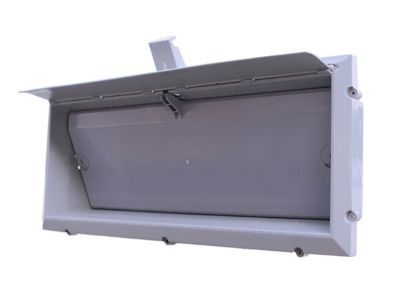
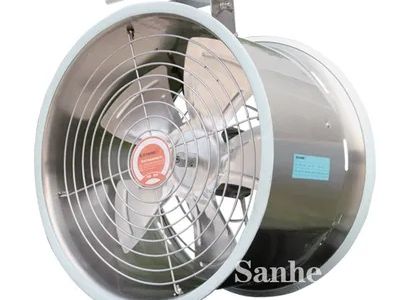
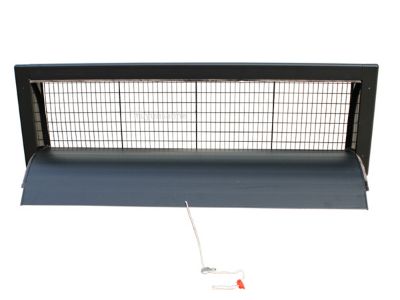
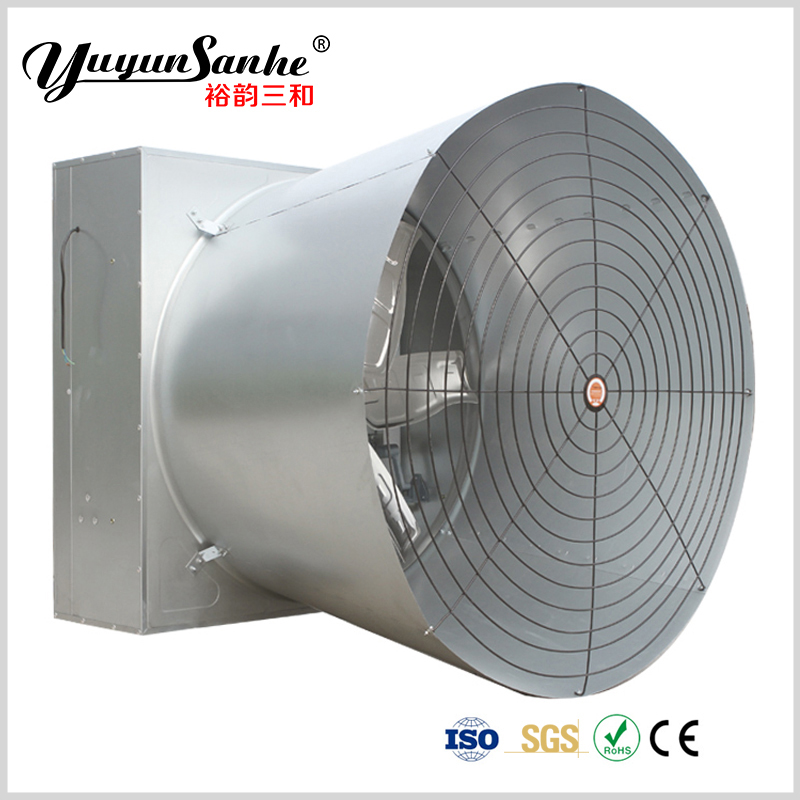
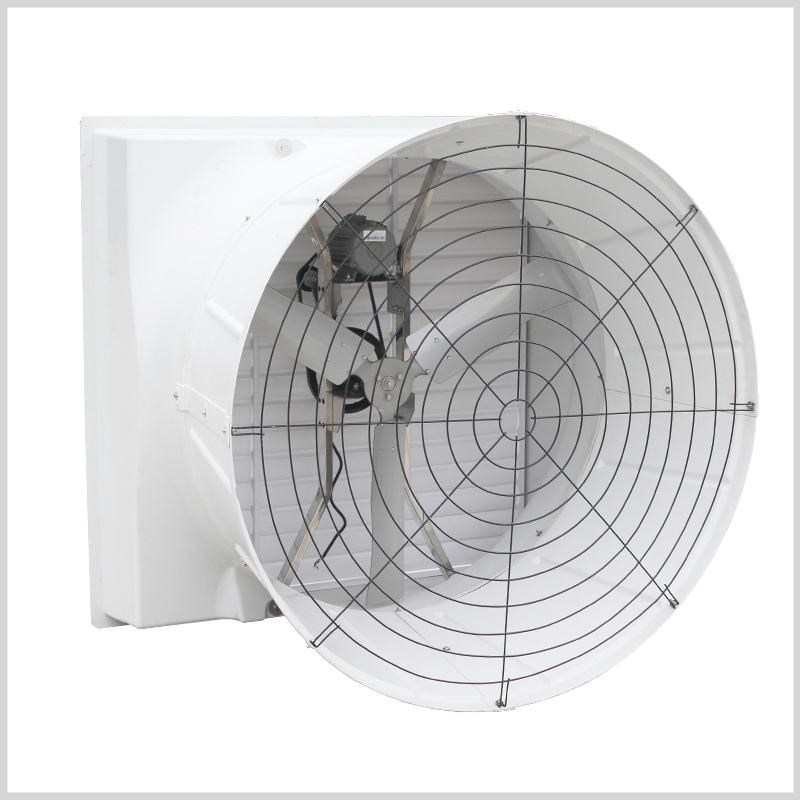
Industrial exhaust vents play a crucial role in maintaining air quality and climate control in industrial and commercial environments. These systems are designed to effectively remove contaminated air, smoke, heat, and odors, ensuring a safe and comfortable working atmosphere. For procurement professionals, understanding the nuances of sourcing industrial exhaust vents is essential, encompassing aspects such as specifications, cost considerations, installation, and supplier options. This article will help you navigate the complexities of selecting the right industrial exhaust vents for your needs.
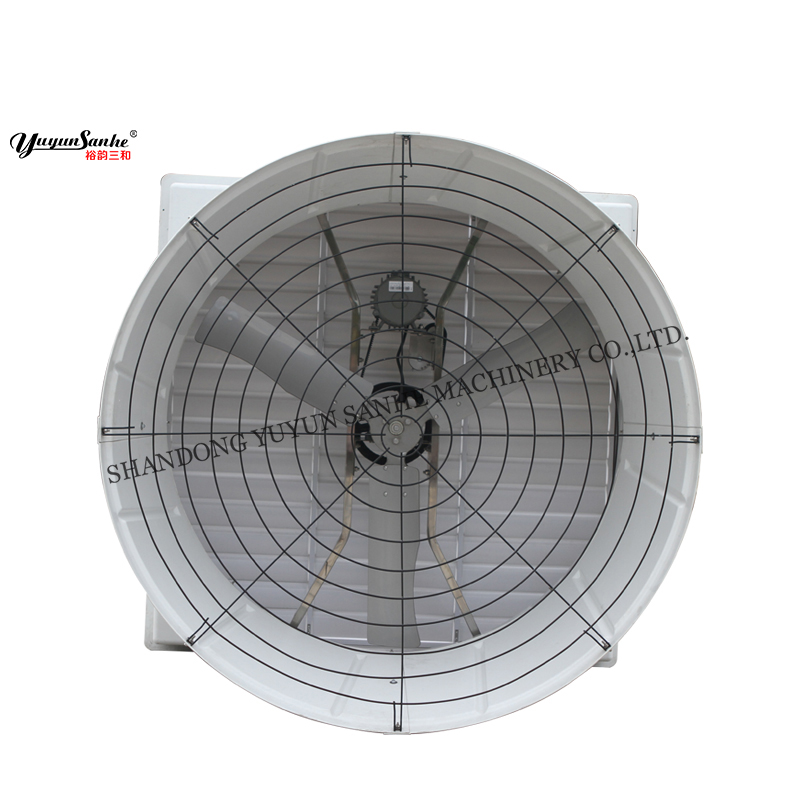
Key Specifications of High-Quality Industrial Exhaust Vents

Key Specifications of High-Quality Industrial Exhaust Vents

High-quality industrial exhaust vents must adhere to specific technical specifications to ensure optimal performance. Key factors include:

Airflow Rate: Measured in cubic feet per minute (CFM), this specification indicates the volume of air the vent can effectively move. It is essential to match the airflow rate to the requirements of the space to ensure adequate ventilation.

Material Thickness: The thickness of the vent material affects durability and resistance to corrosion. For instance, a thicker gauge can enhance longevity, especially in harsh environments.

Sealing and Insulation: Proper sealing prevents leaks that can compromise efficiency. The choice of insulation materials can also influence energy efficiency and noise reduction.

Dimensional Accuracy: Ensuring that the exhaust vents fit properly within existing infrastructure is crucial. Manufacturers should provide precise dimensions and tolerances to avoid installation issues.

Noise Levels: Depending on the application, noise generated by the exhaust system may be a concern. Selecting vents designed to minimize operational noise can enhance workplace comfort.

Understanding these specifications will help buyers make informed decisions and prevent costly mistakes during the procurement process.
Cost Factors to Consider for Bulk Orders of Exhaust Vents

Cost Factors to Consider for Bulk Orders of Exhaust Vents

When evaluating costs for bulk orders of industrial exhaust vents, several factors come into play. Firstly, the choice of materials significantly impacts the overall price. For instance, stainless steel vents may have a higher upfront cost compared to galvanized options, but they often provide better durability and corrosion resistance in demanding environments.

Secondly, quantities ordered can influence pricing; many suppliers, including Shandong Yuyun Sanhe Machinery Co., Ltd., may offer volume discounts. Therefore, understanding the minimum order quantities (MOQ) and potential tiered pricing can lead to cost savings.

Additionally, customization requirements, such as specific dimensions, coatings, or features, can affect costs. Buyers should clearly communicate their needs upfront to receive accurate quotations.

Finally, freight and shipping costs should be accounted for, especially when sourcing from overseas manufacturers. Understanding lead times and transportation logistics will help buyers manage their budgets effectively. Buyers may also want to consider related products such as Water Tanks to support their overall system efficiency.

Installation Guidelines for Efficient Industrial Exhaust Vent Systems

Installation Guidelines for Efficient Industrial Exhaust Vent Systems

Proper installation of industrial exhaust vents is critical for ensuring efficiency and longevity. Buyers should consider the following guidelines:

Site Assessment: Before installation, conduct a thorough assessment of the installation site to identify any potential obstacles or requirements. This may include evaluating existing ductwork, electrical systems, and structural considerations.

Professional Installation: Engage qualified technicians familiar with the specific type of exhaust vent being installed. This ensures compliance with local building codes and safety regulations.

Seal and Insulate: Ensure that all joints and connections are properly sealed to prevent air leaks. Insulation should be applied where necessary to minimize heat loss and protect against environmental factors.

Regular Maintenance: Establish a routine maintenance schedule to inspect and clean the exhaust vents. Regular checks can prevent buildup that may impede airflow and reduce efficiency.

Testing and Balancing: After installation, perform airflow testing and balancing to ensure that the system operates as intended. This step is critical for verifying that the installed system meets design specifications.

Following these guidelines will enhance the performance of industrial exhaust vent systems and extend their lifespan.

Where to Find Trusted Suppliers for Industrial Exhaust Vents

Finding reliable suppliers for industrial exhaust vents is crucial for ensuring product quality and service reliability. Start by seeking manufacturers with a proven track record in the industry. Look for companies that have been established for several years and have experience exporting to various markets, such as Shandong Yuyun Sanhe Machinery Co., Ltd., which serves over 70 countries.

Additionally, consider suppliers that hold relevant certifications, such as ISO9001, CE, and RoHS, as these indicate adherence to international quality and safety standards.

Networking within industry associations and attending trade shows can also provide valuable opportunities to meet potential suppliers. Online B2B marketplaces can be a starting point for comparing products and reviews, but it’s essential to conduct thorough due diligence on any supplier you consider.

Finally, request samples or prototypes before committing to bulk orders. This allows buyers to evaluate product quality and suitability for their specific applications, ensuring a more informed purchasing decision.

Frequently Asked Questions

What is the industrial exhaust vent used for?

Our industrial exhaust vent removes heat, fumes, moisture, and airborne contaminants in factories, barns, and commercial facilities to improve air quality and process conditions.
Made in our 30,000 sqm factory with robust metals and coatings; certified to ISO9001, CE, and RoHS for quality and safety.
We offer multiple diameters and airflow ratings; custom sizes and capacities can be developed to match your ventilation requirements.
Yes. Fixtures use corrosion-resistant materials and protective finishes, with quality control ensuring long-term performance in demanding conditions.
Yes. We provide technical guidance, installation support, spare parts, and after-sales service backed by our professional R&D and quality teams.

Our Blog Posts

The Latest Innovations in Poultry Farm Equipment Technology

08

Oct

The Latest Innovations in Poultry Farm Equipment Technology

Changing the Face of Poultry Industry Today with Top-of-the-range Facilities

As poultry business continually develops, the tendency of an improved quality standard in poultry production sets in. And YuyunSanhe is leading the road in this ind...
View More
What to Consider When Choosing a Greenhouse Ventilation Fan

28

Nov

What to Consider When Choosing a Greenhouse Ventilation Fan

Picking right greenhouse ventilation fan make big differnce in keep your plants healthy. Good fan help control temp and humidty, which super important for grow veg and flowers. If too much heat or moist, plants can sick or die. So its really key to t...
View More
The Role of Cooling Pads in Poultry Farm Climate Control

10

Dec

The Role of Cooling Pads in Poultry Farm Climate Control

When it comes to chicken farming, maintaining the health and happiness of your chickens is crucial. One of the ways farmers do its through the use of cooling pads in their barns. These pads are a major part of the climate control within the barn, par...
View More
How Feed Silos Reduce Labor Costs in Feeding Operations

18

Dec

How Feed Silos Reduce Labor Costs in Feeding Operations

Livestock feeding can be labor-intensive and costly. However, YuyunSanhe’s feed silos can significantly reduce on human wage, as they can store more feeds at a go in a secure and well-organized manner. The silos allow for easy and quick feed unloadin...
View More

Get In Touch

Sophie Dong
Lorna Gao