
 EN
 AR
 BG
 DA
 NL
 FR
 DE
 EL
 HI
 IT
 JA
 KO
 PL
 PT
 RO
 RU
 ES
 SV
 TL
 ID
 LV
 LT
 SR
 UK
 VI
 HU
 TH
 TR
 FA
 MS
 GA
 AZ
 BN
 LA
 MN
 MY
 KK
 UZ
 KY
Industrial exhaust fans are essential components in various manufacturing and industrial environments, designed to effectively remove contaminants, heat, and humidity from the air. As potential buyers, purchasing managers, and engineers explore their options, they often have crucial concerns regarding performance, durability, and cost-effectiveness. This article aims to equip you with the necessary knowledge to make informed decisions when sourcing industrial exhaust fans from manufacturers, ensuring you choose the right equipment for your specific needs.
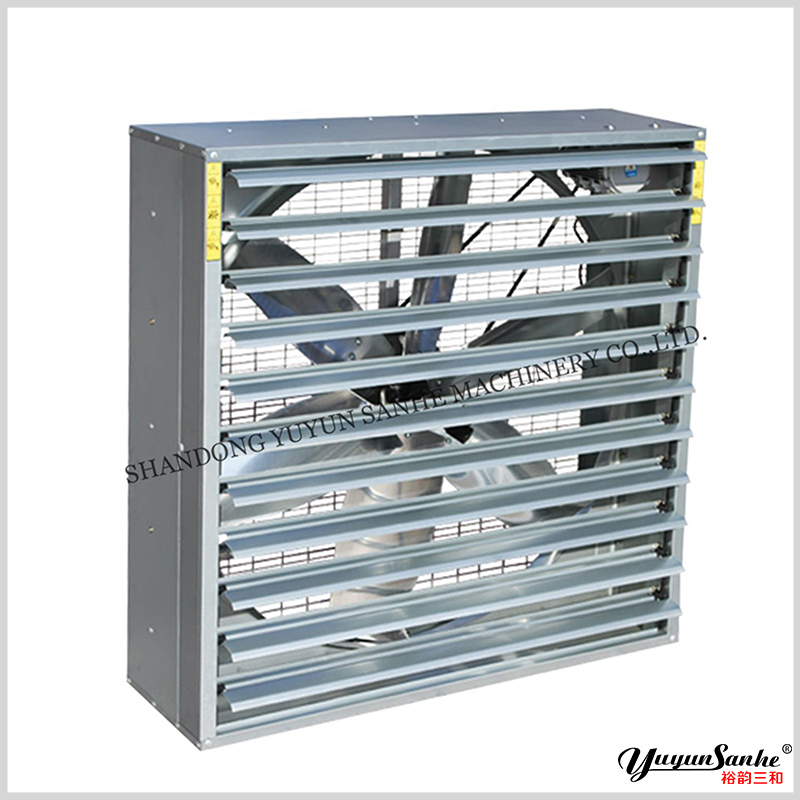
Installation Guidance for Optimal Performance of Exhaust Fans
Proper installation is crucial for maximizing the performance and lifespan of industrial exhaust fans. Here are some key considerations:
Location: Install fans at points where air contaminants are generated, ensuring they can effectively remove unwanted air without creating dead zones.
Ductwork: Ensure that ductwork is appropriately sized and configured to minimize bends and turns, which can impede airflow and reduce efficiency. Use smooth ducting to facilitate better airflow.
Mounting: Fans should be securely mounted to minimize vibration and noise. Vibration isolation mounts can help reduce transmission to the structure and enhance durability.
Electrical Connections: Ensure that electrical connections comply with local codes and that the power supply matches the fan motor specifications to prevent malfunction or damage.
Testing: After installation, conduct airflow tests to verify that the fan is operating at the desired capacity. Adjustments may be necessary to achieve optimal performance.
By following these installation guidelines, you can ensure that your industrial exhaust fans operate efficiently and effectively, contributing to a healthier work environment.
 Sophie Dong

