
 EN
 AR
 BG
 DA
 NL
 FR
 DE
 EL
 HI
 IT
 JA
 KO
 PL
 PT
 RO
 RU
 ES
 SV
 TL
 ID
 LV
 LT
 SR
 UK
 VI
 HU
 TH
 TR
 FA
 MS
 GA
 AZ
 BN
 LA
 MN
 MY
 KK
 UZ
 KY
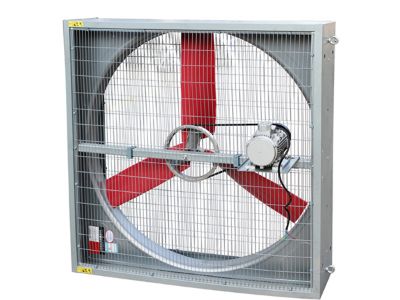
Industrial circulation fans are essential components in various manufacturing and industrial settings, providing effective air movement and temperature control. As a B2B buyer, you may have concerns about efficiency, cost, suitability for specific applications, and the reputation of the manufacturer. This article will guide you through selecting the right industrial circulation fan, understanding key specifications, addressing common installation challenges, exploring applications across different industries, and comparing material advantages.
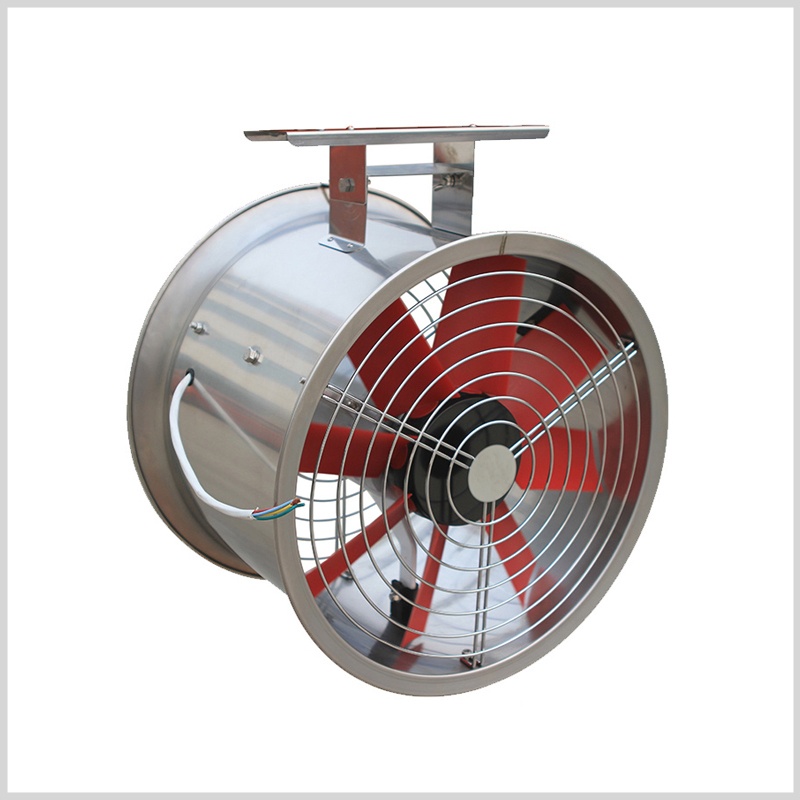
Key Specifications to Consider When Sourcing Circulation Fans
Several specifications are critical when sourcing industrial circulation fans:
Airflow (CFM): Measured in cubic feet per minute (CFM), airflow indicates the volume of air the fan can move. Higher CFM ratings are essential for large spaces or applications requiring rapid air exchange.
Static Pressure: This measures the resistance against which the fan must operate. Understanding the static pressure of your system helps in selecting a fan that can maintain performance under load.
Motor Power: The motor's horsepower (HP) determines the fan's efficiency and performance. A more powerful motor can handle larger workloads but may also consume more energy.
Blade Design and Material: Blade shape and material influence efficiency and durability. For example, aluminum blades may be lighter and more corrosion-resistant than steel, but not all applications require that level of durability.
Speed Control Options: Some fans offer variable speed controls, allowing you to adjust airflow according to changing operational needs. This feature can improve energy efficiency and extend the lifespan of the fan.
By considering these specifications, buyers can ensure that they source a fan that meets operational requirements while optimizing energy consumption.
 Sophie Dong

