Key Specifications for High-Quality Greenhouse Pads

All Categories

greenhouse pad

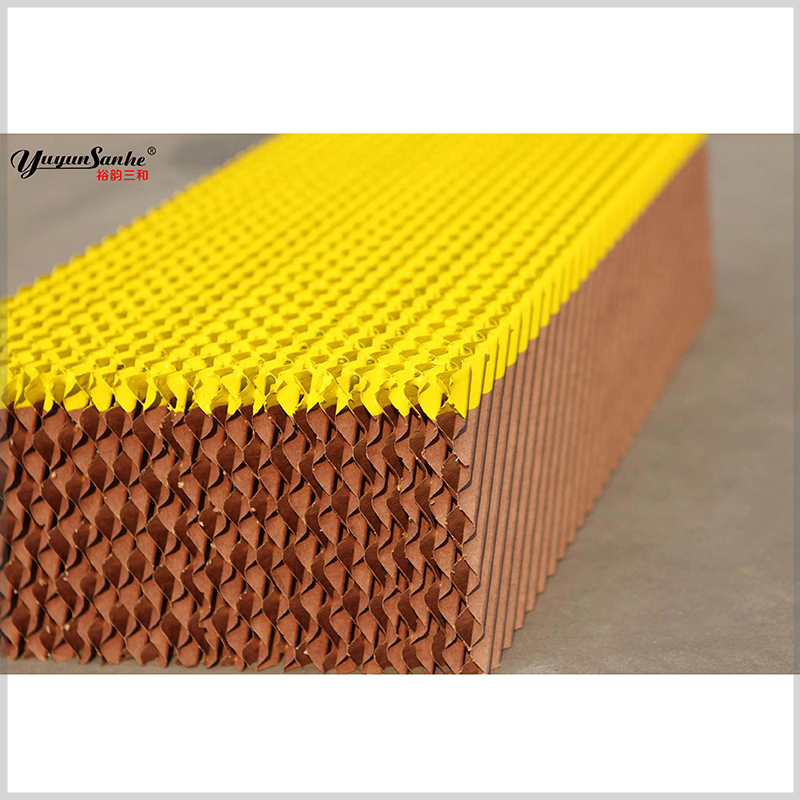
Greenhouse pads are essential components for maintaining optimal growing conditions in agricultural settings. They help regulate temperature and humidity, which are critical for plant health. As a purchasing manager or distributor, you may have concerns regarding the quality, materials, and specifications of greenhouse pads. This article will provide valuable insights into what to look for in high-quality greenhouse pads, how to compare different options, cost factors, installation guidance, and common issues along with their solutions.
How to Compare Greenhouse Pads for Your Project Needs

How to Compare Greenhouse Pads for Your Project Needs

When comparing greenhouse pads, it’s essential to assess various factors to ensure they meet your project requirements:

Performance Metrics: Evaluate the cooling efficiency, moisture retention, and airflow capabilities. Performance can often be gauged through product specifications or independent testing results. Look for detailed performance data to make informed comparisons.

Customization Options: Some manufacturers offer customized greenhouse pads tailored to specific applications. If your project has unique requirements, inquire about customization capabilities, such as specific sizes or materials.

Supplier Reputation: Research the manufacturer’s history and expertise in producing greenhouse pads. Companies with a long-standing presence, like Shandong Yuyun Sanhe Machinery Co., Ltd., often have refined processes and better quality control measures.

Cost vs. Value: While price is an important factor, it should not be the sole determinant. Consider the long-term value of a higher-quality pad that may result in lower maintenance costs and better performance over time.

Customer Reviews and Case Studies: Look for feedback from other customers who have used the pads in similar applications. Case studies can provide insights into how the product performs in real-world conditions.
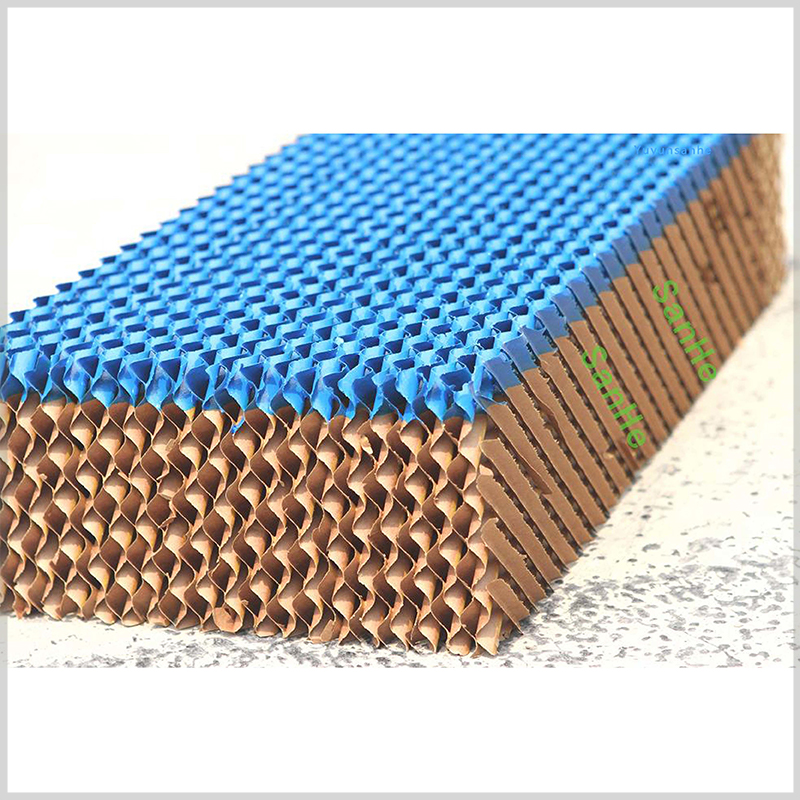
Understanding the Cost Factors of Greenhouse Pads

Understanding the Cost Factors of Greenhouse Pads

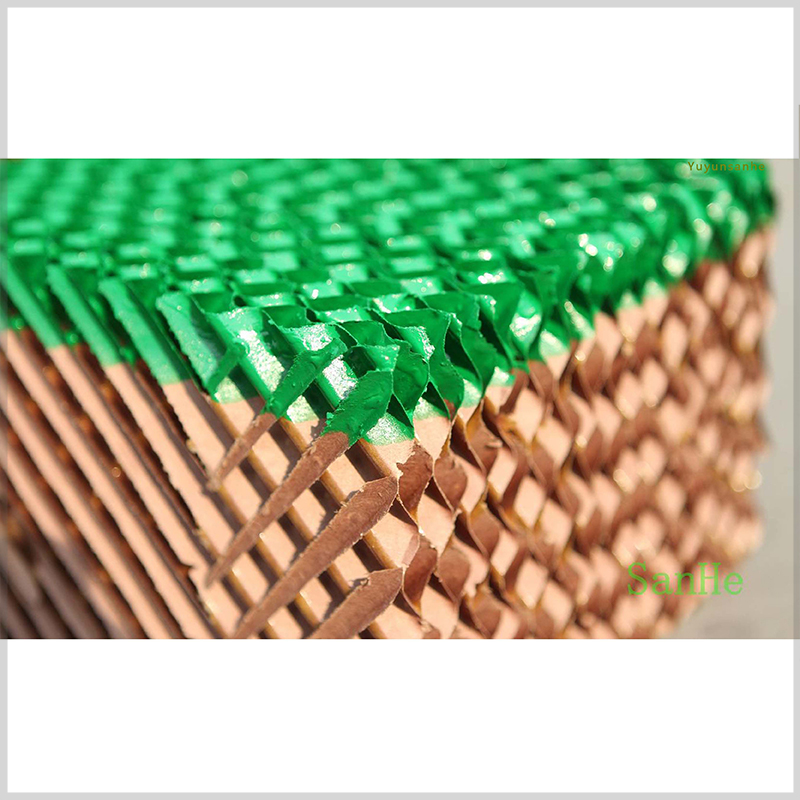
The cost of greenhouse pads can vary widely based on several factors:

Material Type: As mentioned, cellulose pads typically cost less than synthetic options but may offer different performance characteristics. Assess the trade-offs in cost versus functionality when making your selection.

Quantity Ordered: Bulk purchasing often results in lower unit prices, making it cost-effective to buy larger quantities. Discuss minimum order quantities (MOQ) with suppliers to get the best deal.

Shipping and Handling: Consider shipping costs, especially if ordering from international suppliers. Packaging methods can also influence total costs; ensure that the pads are packaged securely to prevent damage during transit.

Market Demand: Fluctuations in market demand can affect pricing. Stay informed about industry trends that may impact the cost of raw materials or production.

Lead Time: Products that require longer lead times may have higher costs associated with inventory management. Plan your orders according to your project timelines to avoid rushed purchases that could inflate costs.

Installation Guidance for Efficient Greenhouse Pad Setup

Installation Guidance for Efficient Greenhouse Pad Setup

Proper installation of greenhouse pads is crucial for their effectiveness. Here are some guidelines:

Preparation: Ensure that the installation area is clean and free from debris. Any obstructions can hinder airflow and reduce cooling efficiency.

Alignment: When positioning the pads, ensure they are aligned correctly with the airflow direction. Misalignment can lead to inefficient cooling and uneven temperature distribution.

Sealing: Check for any gaps between pads and mounting surfaces. Sealing these gaps can prevent air leaks, improving overall performance. Use appropriate sealing materials as recommended by the manufacturer.

Testing: After installation, test the system to ensure that the pads are functioning correctly. Monitor temperature and humidity levels to verify that they meet the necessary requirements for your crops.

Maintenance: Regular maintenance is essential to ensure longevity. Clean the pads and inspect for any signs of wear or damage. Addressing issues early can prevent costly replacements.

Common Problems with Greenhouse Pads and Their Solutions

Despite their effectiveness, greenhouse pads can encounter issues. Here are some common problems and their solutions:

Clogging: Over time, debris can accumulate in the pads, reducing airflow and cooling efficiency. Regular cleaning and maintenance can prevent clogging. Consider installing a pre-filter system to catch larger particles.

Material Degradation: Exposure to UV light and harsh weather can degrade pad materials. If you notice a decrease in performance, it may be time to replace the pads. Opt for materials with UV resistance for better longevity.

Improper Fit: Pads that do not fit correctly can lead to air leaks and reduced cooling. Before installation, double-check dimensions and make necessary adjustments to ensure a proper fit.

Moisture Retention Issues: If a pad retains too much moisture, it can lead to mold growth, affecting plant health. Ensure that the material selected has appropriate moisture management properties for your climate.

Temperature Fluctuations: If temperature control is inconsistent, it may indicate a problem with the pad installation or selection. Reassess the configuration and consider consulting with the manufacturer for recommendations on optimal setups. Additionally, utilizing Poultry Equipment can aid in maintaining better climate control in conjunction with greenhouse pads.

By understanding these specifications, comparison criteria, cost factors, installation tips, and common issues, you can make informed decisions regarding greenhouse pads. This knowledge will help ensure that you select the right pads for your specific agricultural applications, ultimately contributing to healthier crops and more efficient operations.

Frequently Asked Questions

What is a greenhouse pad and its purpose?

A greenhouse pad is an evaporative cooling pad installed in greenhouse ventilation systems to lower temperature and increase humidity, improving plant growth and climate control efficiency.
Our pads are made from durable cellulose or synthetic materials in various thicknesses and modular sizes to fit common greenhouse frames; custom sizes available on request.
Install vertically in the ventilation intake, ensure even water distribution, clean monthly, replace when warped or clogged, and follow provided installation manual for best performance.
Yes. Produced in our 30,000 sqm factory under ISO9001 with CE and RoHS certifications, suitable for export to over 70 countries.
We provide technical guidance, installation support, and a standard warranty; contact our sales team for warranty terms and after-sales service details.

Our Blog Posts

What Safety Standards Should Exhaust Fans Comply With?

18

Oct

What Safety Standards Should Exhaust Fans Comply With?

Exhaust fans are essential in keeping your home safe and healthy, especially in areas such as the kitchen and bathroom. But, it’s also critical that these fans are safe to use. These safety standards go a long way to ensure that the fans are doing th...
View More
How Feed Silos Improve Storage Efficiency in Livestock Farming

12

Dec

How Feed Silos Improve Storage Efficiency in Livestock Farming

Feed silos are large towers that farmers have on their own farms where they keep the food for animals. These silos enable farmers to store large amounts of feed, while keeping it safe and fresh. This helps ensure that the animals are always well fed ...
View More
What to Consider When Choosing an Industrial Ventilation Fan?

11

Feb

What to Consider When Choosing an Industrial Ventilation Fan?

When choosing an industrial ventilation fan, there is many important things you need consider. A good fan help keep air clean and fresh in factories or big buildings. It remove bad smells, dust, and those harmful gases. Picking right fan very essenti...
View More

Get In Touch

Sophie Dong
Lorna Gao