Galvanised Water Tanks: Choosing Reliable Suppliers

All Categories

galvanised water tank

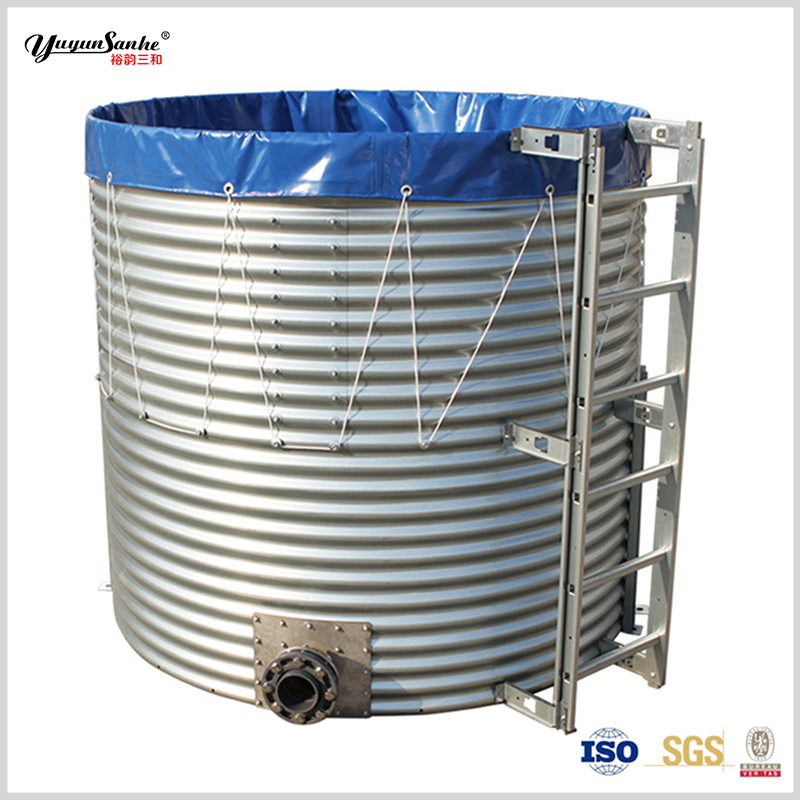
Galvanised water tanks are essential components in various industries, providing reliable storage solutions for water and other liquids. When sourcing galvanised water tanks, B2B buyers often focus on quality, durability, and supplier reliability. This article will guide you through selecting the right supplier, understanding cost factors, and evaluating the key features and benefits of galvanised water tanks for your specific application needs. Additionally, you may want to consider related products such as Other Accessaries that complement the use of water tanks.
Cost Factors to Consider When Sourcing Galvanised Water Tanks

Cost Factors to Consider When Sourcing Galvanised Water Tanks

Understanding the cost factors associated with galvanised water tanks is vital for making informed purchasing decisions. The primary cost drivers include material selection, tank dimensions, and customization options.

Material Selection: Galvanised steel is the standard material for these tanks, but variations in thickness and coating quality can significantly affect pricing. Thicker materials may offer better durability but come at a higher cost. Consider the tank's intended application when evaluating material options.

Dimensions: The size and capacity of the tank will directly influence the overall cost. Larger tanks require more materials and may incur higher shipping costs. It's crucial to balance the required capacity with budget constraints.

Customization: Many suppliers offer customization options, such as specific fittings, coatings, or sizes. Customization can lead to increased costs, so it's essential to pinpoint your needs clearly before requesting quotes. For instance, if you need a tailored solution, consider exploring Poultry Equipment that could work in conjunction with your water tanks.

Understanding these cost factors helps in preparing for negotiations and ensures that you receive a fair and transparent pricing structure from your supplier.
A Practical Approach

A Practical Approach

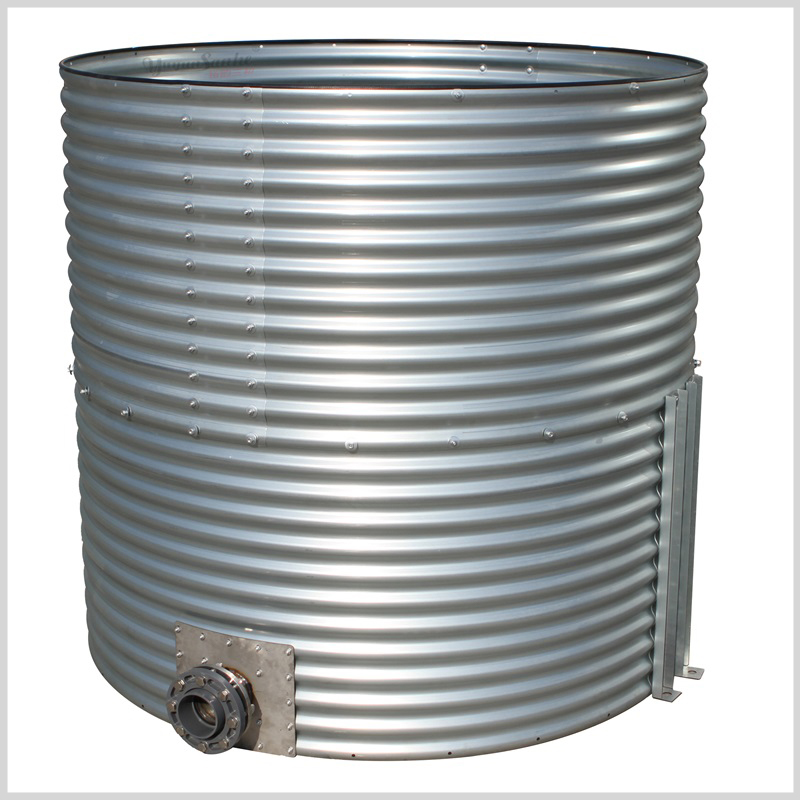
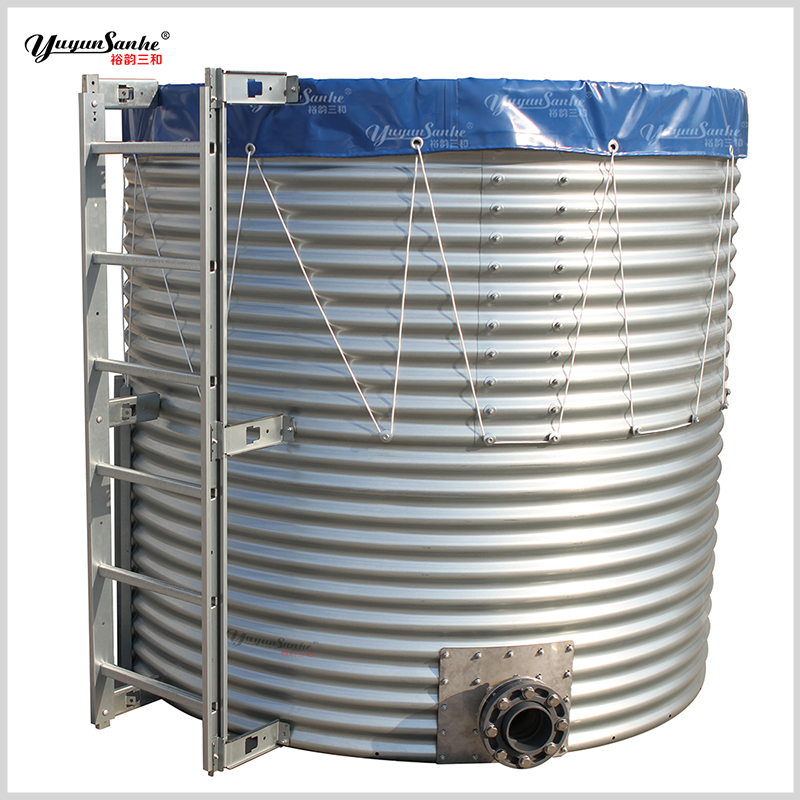
When approaching the procurement of galvanised water tanks, adopting a structured process can facilitate better decision-making. Start by defining your requirements, including capacity, intended use, and any specific technical specifications. This clarity will streamline communication with potential suppliers.

Request samples or prototypes to evaluate the tank's quality and suitability for your application. Before mass production, ensure you thoroughly inspect the samples for dimensions, fit, and surface quality. This step is crucial to avoid issues during the actual production phase.

Finally, maintain open communication with your supplier throughout the process. Regular updates on production timelines, potential challenges, and quality checks will help build a strong partnership and ensure that your expectations are met.

Application Scenarios for Galvanised Water Tanks in Various Industries

Application Scenarios for Galvanised Water Tanks in Various Industries

Galvanised water tanks find diverse applications across multiple industries, emphasizing their versatility and reliability. Here are some common scenarios:

Agriculture: In farming, galvanised water tanks are often used for irrigation and livestock watering. Their rust-resistant properties ensure longevity, even in harsh outdoor environments.

Construction: These tanks are utilized on construction sites for storing water needed for mixing concrete or for fire protection systems. Their portability and durability make them ideal for temporary or permanent installations.

Industrial Processes: Many manufacturing facilities use galvanised water tanks for process water, coolant storage, or chemical mixing. The ability to customize tanks with specific fittings and sizes enhances their application in this sector.

Public Infrastructure: Municipalities often deploy galvanised water tanks for public water supply systems, ensuring clean water delivery. Their large capacities and robust construction make them suitable for long-term use.

Each application requires careful consideration of tank specifications to ensure optimal performance and compliance with industry standards.

Key Features and Benefits to Evaluate

When evaluating galvanised water tanks, several key features and benefits should be prioritized:

Durability: The galvanisation process protects the steel from corrosion, extending the tank's lifespan. This durability is essential for reducing maintenance costs and ensuring reliability in various applications.

Customizability: Many manufacturers offer customization options to meet specific client needs, including various sizes, fittings, and coatings. This flexibility allows for tailored solutions that fit unique operational requirements.

Cost-effectiveness: While the initial investment may vary based on specifications, galvanised water tanks often provide long-term savings due to their durability and low maintenance needs.

Ease of Installation: Consider tanks designed for straightforward installation, which can save both time and labor costs. Some suppliers provide comprehensive installation guidelines to streamline this process.

Environmental Compliance: Ensure that the tanks meet any relevant environmental regulations, especially if used in applications involving hazardous materials.

Evaluating these features ensures that the chosen galvanised water tank aligns with your operational needs and contributes to overall efficiency and sustainability.

By understanding these aspects related to galvanised water tanks, you can make informed purchasing decisions that meet your specific industry requirements.

Frequently Asked Questions

What materials are used in the galvanised water tank?

Our galvanised water tanks are made from high-quality galvanized steel with anti-corrosion coating and welds tested to ensure durability and long service life.
We offer multiple sizes and capacities to suit farm, industrial, and residential needs. Custom capacities are available; contact us with your specifications for a tailored solution.
Yes. The galvanised coating and quality controls meet safety standards for many applications. For strict potable water requirements, request certification details and any additional lining options.
Our tanks are produced in our ISO9001-certified factory with CE and RoHS-compliant production processes and strict quality control procedures.
Yes. We offer installation guidance, technical support, and spare parts. Our after-sales team assists with setup, maintenance tips, and warranty claims.

Our Blog Posts

How Industrial Ventilation Fans Improve Airflow Efficiency?

21

Oct

How Industrial Ventilation Fans Improve Airflow Efficiency?

Hugger Roof fans vs. Industrial Roof fans Industrial fan for huggers Fans serve a critical function in the operation of an industrial facility. These ventilation fan help extract stale air, maintain a comfortable temperature, and decrease t...
View More
How Greenhouse Ventilation Systems Optimize Crop Growth

08

Nov

How Greenhouse Ventilation Systems Optimize Crop Growth

Greenhouse airflow systems are important for farmers who want grow healthy plants. These systems help control air inside greenhouses, make it easy for crops get right light, heat, and humidity. When air in a greenhouse managed well, it help plants gr...
View More
What Makes an Effective Greenhouse Ventilation System?

18

Nov

What Makes an Effective Greenhouse Ventilation System?

Qualities of an Efficient Greenhouse Ventilation SystemGreenhouses require good air flow to keep plants strong and healthy-looking. That means that the air inside — in and around the plants — must move around freely, so the plants can breathe in all ...
View More
How to Design a Greenhouse Ventilation System for Different Climates?

09

Feb

How to Design a Greenhouse Ventilation System for Different Climates?

Creating a good greenhouse ventilation system is really important if you want grow healthy plants. The right ventilation can control temperature, humidity and also air quality inside. This matter a lot in different climates, because weather change ho...
View More

Get In Touch

Sophie Dong
Lorna Gao