Essential Guide to Feed Storage Silos

All Categories

feed storage silo

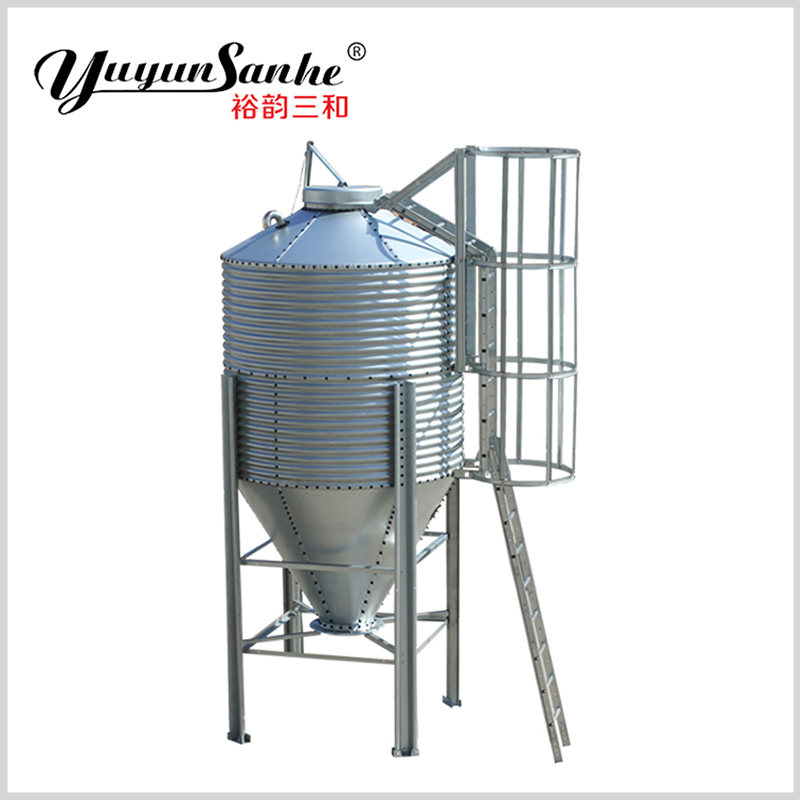
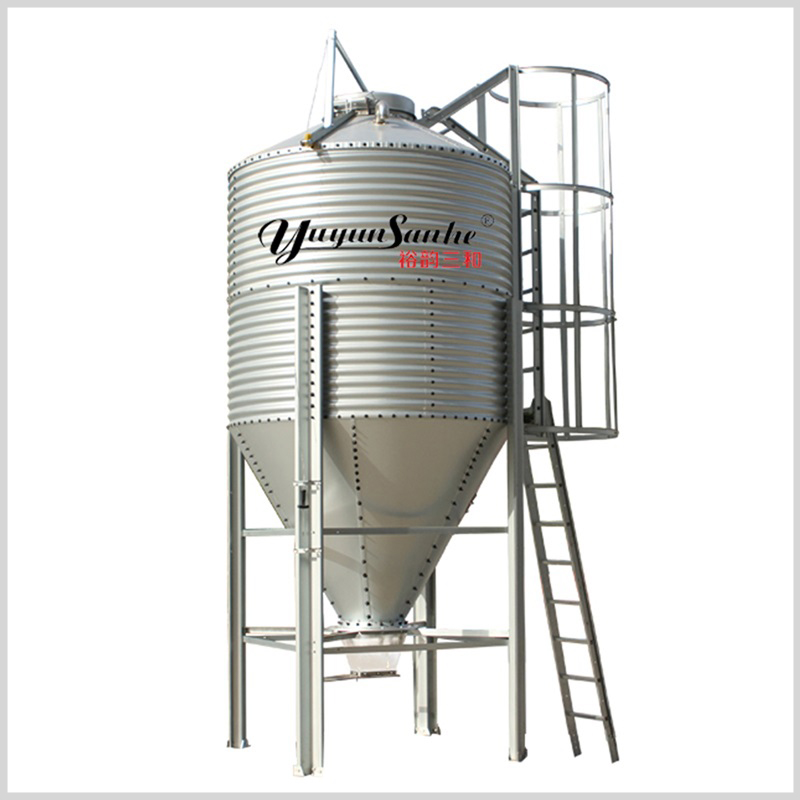
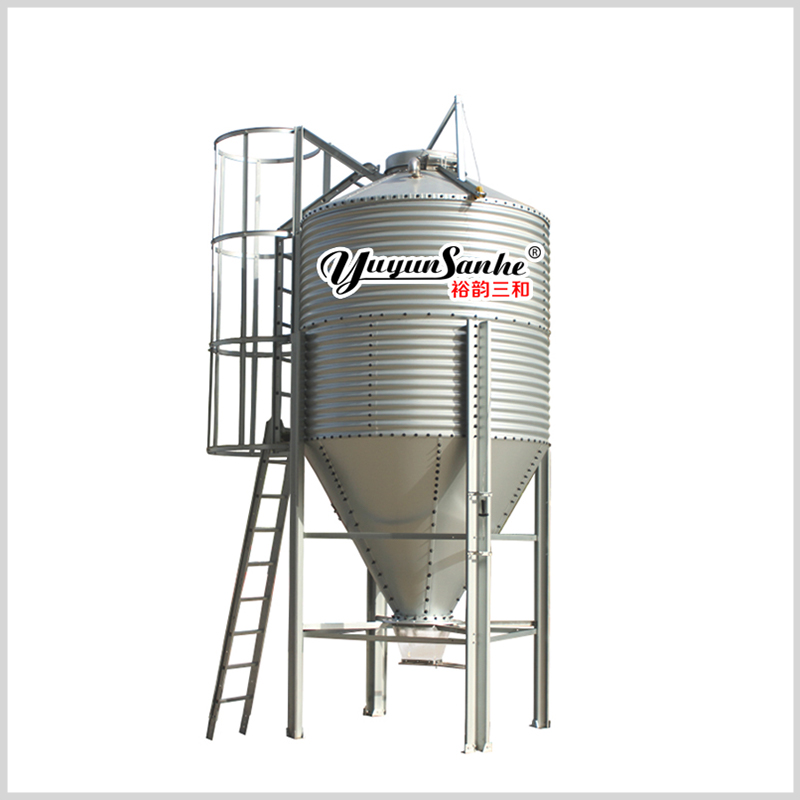
Feed storage silos are essential structures in the agriculture and livestock industries, designed to securely store bulk feed materials. As a purchasing manager or distributor, understanding the key specifications and factors involved in sourcing feed storage silos is crucial for making informed decisions. This article will guide you through the considerations necessary for selecting the right feed storage silo, including specifications, supplier options, cost factors, and types available in the market.
Wholesale Feed Storage Silo Options for Bulk Orders

Wholesale Feed Storage Silo Options for Bulk Orders

When looking to purchase feed storage silos in bulk, there are several wholesale options available. Many manufacturers offer tiered pricing based on order quantity, which can significantly reduce per-unit costs. Shandong Yuyun Sanhe Machinery Co., Ltd., for example, specializes in manufacturing high-quality silos and can accommodate bulk orders tailored to specific customer requirements. Additionally, they also provide a variety of Other Accessaries for enhancing your storage solutions.

In addition, consider whether the supplier provides options for customization. Custom features may include different sizes, material finishes, or additional components like integrated scales for weight measurement. It is also beneficial to inquire about lead times for bulk orders, as production schedules can vary significantly between manufacturers. Establishing a strong relationship with your supplier can lead to better pricing and service in future orders.
Cost Factors to Consider When Purchasing Feed Storage Silos

Cost Factors to Consider When Purchasing Feed Storage Silos

Understanding the cost factors associated with purchasing feed storage silos is essential for budgeting and financial planning. The initial purchase price is influenced by several variables, including material choice, silo capacity, and design complexity. Galvanized steel silos, for instance, tend to be less expensive than stainless steel options but may not offer the same level of durability.

Installation costs should also be considered, as they can vary depending on site preparation and local labor rates. If the silo requires a concrete foundation or specialized equipment for placement, these costs will add to the overall expenditure. Additionally, factor in maintenance costs over the lifespan of the silo, as regular inspections and repairs may be necessary to ensure long-term functionality.

Finally, shipping costs can impact your budget, especially if sourcing from international suppliers. Be sure to discuss logistics with your supplier to understand any potential costs associated with delivery and installation, including the need for specialized Swine Equipment for certain installations.

Where to Find Reliable Suppliers of Feed Storage Silos

Where to Find Reliable Suppliers of Feed Storage Silos

Finding reliable suppliers for feed storage silos involves researching manufacturers with a proven track record in the industry. Attend trade shows and industry events to network with potential suppliers and view their products firsthand. Online platforms, such as B2B marketplaces, can also provide access to a wide range of manufacturers.

When evaluating suppliers, consider their manufacturing capabilities, certifications, and customer reviews. Suppliers that possess ISO9001, CE, and RoHS certifications, like Shandong Yuyun Sanhe Machinery Co., Ltd., demonstrate a commitment to quality and adherence to international standards. Requesting references or case studies from existing clients can also help gauge the supplier's reliability and product quality.

It's advisable to establish clear communication with suppliers regarding your specifications, timelines, and expectations. This will ensure that both parties are aligned and can mitigate any potential misunderstandings during the procurement process.

Comparing Different Types of Feed Storage Silos for Your Projec

Feed storage silos come in various types, each suited for different applications and operational requirements. The main types include upright silos, horizontal silos, and bunker silos.

Upright silos are the most common and typically offer the highest storage capacity per footprint. They are ideal for bulk storage of dry feed and can be equipped with advanced features such as aeration systems. Horizontal silos, on the other hand, are often used for shorter-term storage and can facilitate easier access for loading and unloading.

Bunker silos are a cost-effective option for larger quantities of feed but require more space and careful management to ensure feed quality is maintained.

When selecting the type of silo, consider factors such as available space, feed type, and handling equipment. Each type has its advantages and drawbacks, so understanding your specific needs will guide you toward the most appropriate solution for your project.

By thoroughly evaluating specifications, considering cost factors, and comparing different types of silos, you can confidently choose the right feed storage silo that meets your operational needs and enhances your supply chain efficiency.

Frequently Asked Questions

What sizes and capacities are available for the feed storage silo?

Our feed storage silos come in multiple diameters and heights, offering capacities from small farm needs to large commercial operations. Contact us with required capacity and we will recommend the optimal model and configuration.
Silos are manufactured from high-quality galvanized steel or corrosion-resistant coatings, chosen for durability and suitability in feed storage to ensure long service life and hygienic conditions.
We integrate ventilation and climate control options designed in our factory to maintain proper airflow, temperature and humidity, reducing spoilage and ensuring feed remains dry and fresh.
Our factory follows strict quality control and R&D standards. Products are certified to ISO9001, CE and RoHS, and inspected before shipment to ensure compliance and reliability.
Yes. We offer installation guidance, technical support, and spare parts. Our team assists customers from ordering through commissioning and provides ongoing service as needed.

Our Blog Posts

Professional Manufacturer of Air Inlet for Poultry

30

Sep

Professional Manufacturer of Air Inlet for Poultry

Did you know that the air quality of a poultry farm, can significantly impact on health and happiness status of a flock? Aeration: Chickens need to breathe fresh air to keep them strong and full of energy. Chickens are healthier, grow faster and lay ...
View More
How Ventilation Exhaust Fans Can Optimize Poultry Farm Efficiency

10

Feb

How Ventilation Exhaust Fans Can Optimize Poultry Farm Efficiency

Poultry farming is difficult and hard work. Egg-laying depends on farmers working hard to keep their chickens healthy. A big part of helping the chickens is to provide the best air flow possible in the barn. That means the chickens have fresh air to ...
View More
How to Choose the Right Poultry Farm Equipment for Efficient Operations?

06

Feb

How to Choose the Right Poultry Farm Equipment for Efficient Operations?

Choosing the right poultry farm equipment is very important if you want run a successful farm. As farmer, you need tools that help raise healthy chickens and get lots eggs or meat in efficient way. When pick correct equipment, it save time, cut costs...
View More
How to Design a Greenhouse Ventilation System for Different Climates?

09

Feb

How to Design a Greenhouse Ventilation System for Different Climates?

Creating a good greenhouse ventilation system is really important if you want grow healthy plants. The right ventilation can control temperature, humidity and also air quality inside. This matter a lot in different climates, because weather change ho...
View More

Get In Touch

Sophie Dong
Lorna Gao