
 EN
 AR
 BG
 DA
 NL
 FR
 DE
 EL
 HI
 IT
 JA
 KO
 PL
 PT
 RO
 RU
 ES
 SV
 TL
 ID
 LV
 LT
 SR
 UK
 VI
 HU
 TH
 TR
 FA
 MS
 GA
 AZ
 BN
 LA
 MN
 MY
 KK
 UZ
 KY
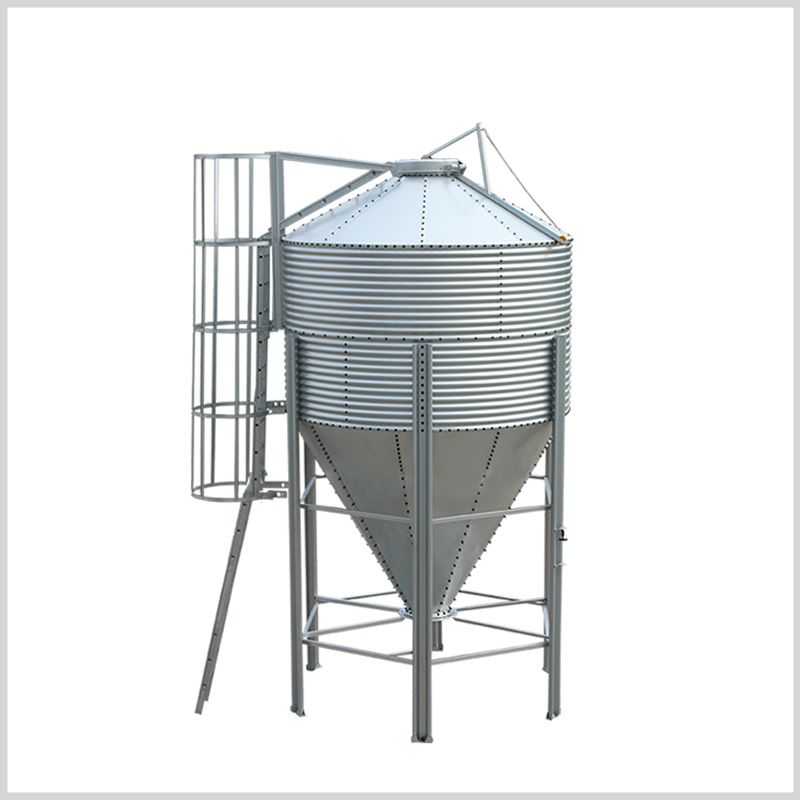
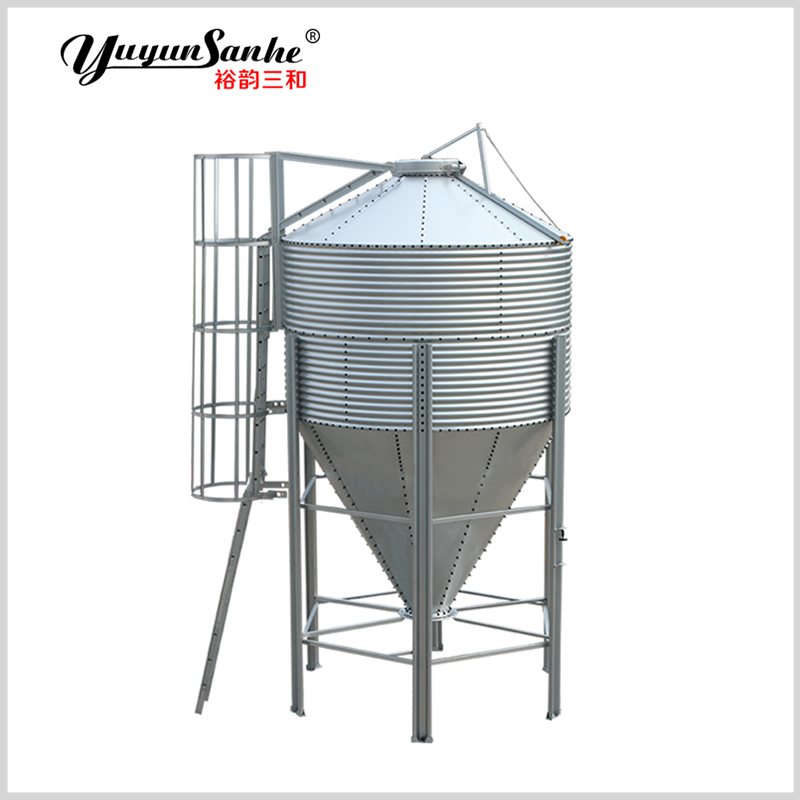
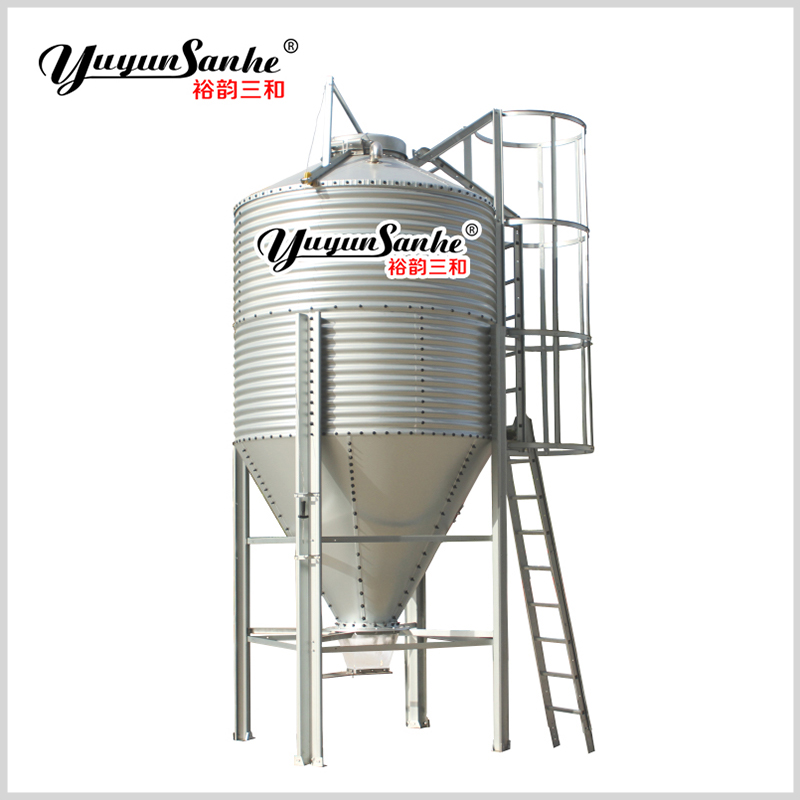
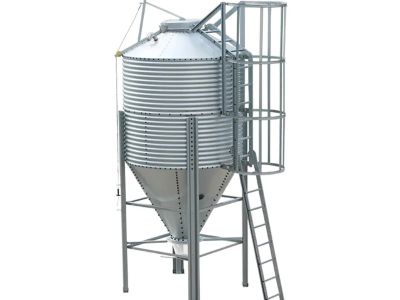
Feed storage bins are essential components in various industries, particularly in agriculture and animal husbandry, where bulk feed storage is crucial for efficient operations. For purchasing managers and engineers looking to invest in feed storage bins, key concerns typically include product specifications, material durability, and the overall efficiency of the storage solution. This article will help guide you through the specifications of feed storage bins, key factors to consider, common problems and solutions, cost factors, and other important considerations for making an informed purchasing decision.
Key Factors to Consider
When selecting feed storage bins, several factors should be taken into account:
Durability: The chosen material should withstand various environmental conditions, including moisture and temperature fluctuations. For instance, galvanized steel is highly durable and suited for outdoor storage, while plastic bins may be better for indoor environments. You might also consider features from Other Accessories that can enhance the durability of feed storage solutions.
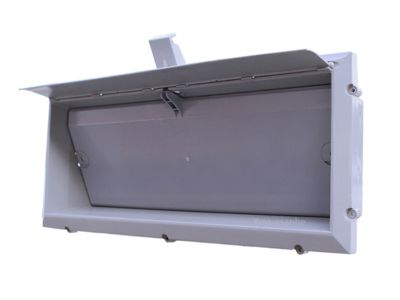
Ease of Access: Consider how easy it will be to fill and empty the bins. Features such as hoppers, side access doors, or large openings can facilitate easier handling of feed.
Ventilation: Proper ventilation is essential to prevent moisture buildup and spoilage of the stored feed. Selecting bins with ventilation features can help maintain the quality of the feed over time.
Customization Options: Some manufacturers offer customization capabilities, allowing buyers to specify dimensions, colors, or additional features that cater to their specific operational needs. Additionally, exploring Swine Equipment may provide insights into customized storage solutions.
By considering these key factors, purchasing managers can make informed decisions that enhance their feed handling efficiency.
 Sophie Dong

