Choosing the Right Feed Bin Silo for Your Needs

All Categories

feed bin silo

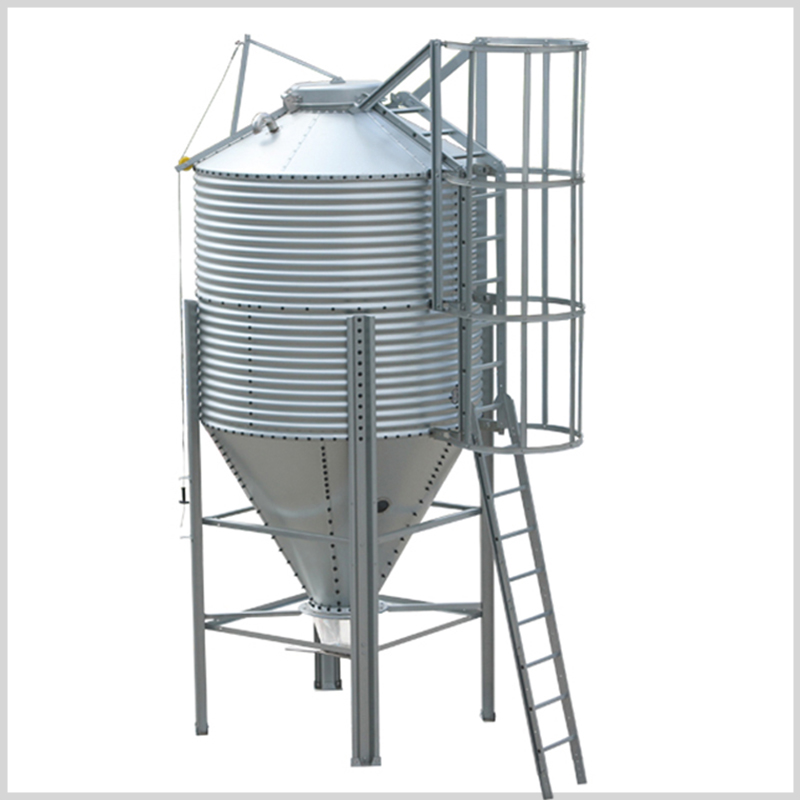
Feed bin silos are essential storage solutions used in various industries to manage bulk feed and grain products efficiently. As a critical component in agricultural and industrial operations, selecting the right feed bin silo can significantly impact operational efficiency and product quality. This article aims to guide purchasing managers, engineers, and product managers through the critical factors to consider when selecting and acquiring feed bin silos, addressing common buyer concerns and providing actionable insights for informed decision-making.
Wholesale Purchasing Options for High-Quality Feed Bin Silos

Wholesale Purchasing Options for High-Quality Feed Bin Silos

When considering wholesale purchasing of feed bin silos, it is crucial to evaluate suppliers based on their manufacturing capabilities, product quality, and support services. Shandong Yuyun Sanhe Machinery Co., Ltd., for example, has extensive experience in producing high-quality silos that meet international standards.

Manufacturing Capabilities: Understand the supplier’s production capacity and equipment. A robust manufacturing process, combined with strict quality control measures, ensures that the silos produced are reliable and durable.

Quality Certifications: Look for suppliers that hold certifications such as ISO9001, CE, and RoHS. These certifications indicate adherence to quality management systems and compliance with international safety standards.

Customization Options: Many manufacturers offer customization for their silos based on specific operational requirements. Discuss your needs upfront to explore options that can enhance the silo's functionality in your application. For instance, integrating Electric Shutter Louvers with Belimo Actuator can provide tailored solutions for ventilation needs.
What to Look For

What to Look For

When evaluating feed bin silos, specific features and specifications should be prioritized to ensure that the product meets your operational demands:

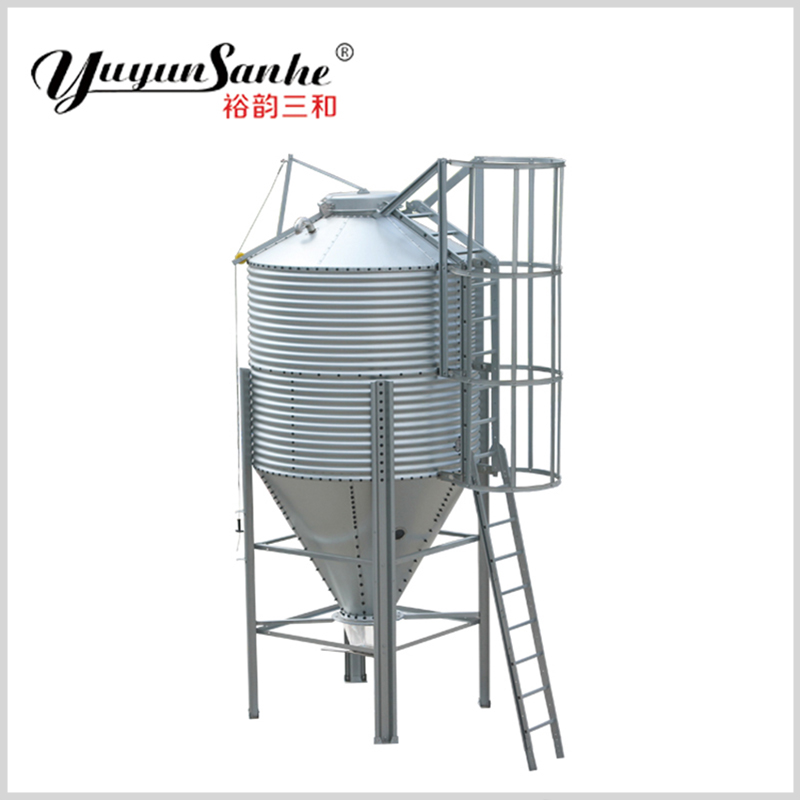
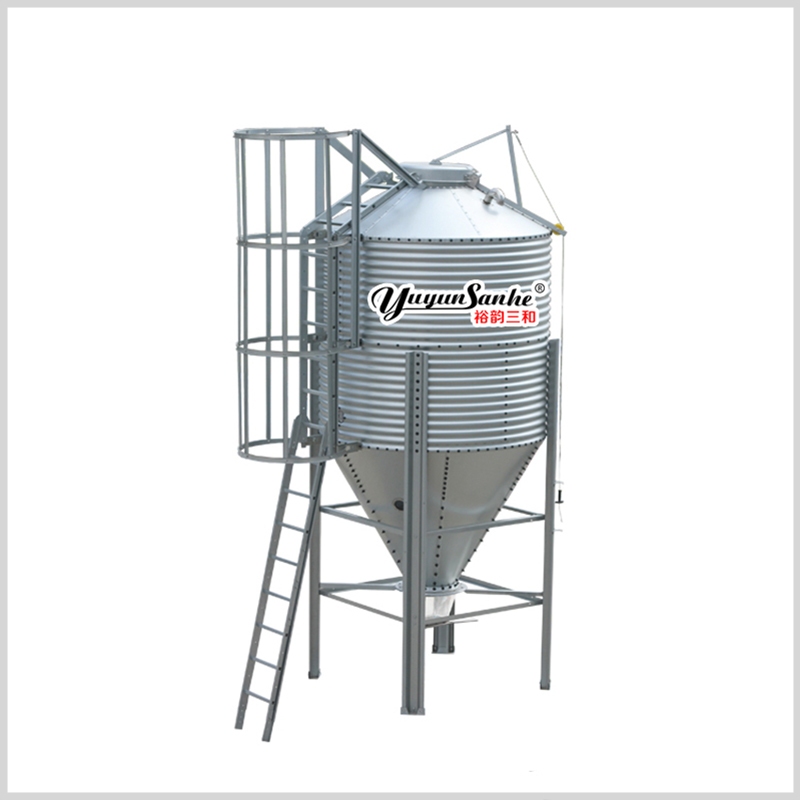
Sealing and Insulation: Effective sealing prevents moisture ingress and protects the feed from spoilage. Insulation is crucial for maintaining optimal temperature and humidity levels within the silo.

Structural Integrity: Assess the silo's structural design to ensure it can withstand local weather conditions, including wind and snow loads. The thickness of the material is a critical factor; thicker materials generally offer better durability.

Ease of Maintenance: Choose silos that facilitate easy access for cleaning and maintenance. Features such as manholes and ladders should be considered to ensure safety and convenience.

Applications of Feed Bin Silos in Various Industries and Projects

Applications of Feed Bin Silos in Various Industries and Projects

Feed bin silos are versatile and find applications in a range of industries:

Agriculture: In the agricultural sector, feed bin silos are primarily used for storing animal feed, grains, and other agricultural products. They help maintain feed quality and reduce waste.

Food Processing: In food production facilities, these silos are crucial for storing raw ingredients and ensuring a streamlined production process. They play a vital role in maintaining hygiene standards and preventing contamination.

Industrial Use: Industries that deal with bulk materials, such as plastics or chemicals, also utilize feed bin silos for efficient storage and handling. Their robust construction ensures safe storage of various materials.

Bioenergy Production: In biogas plants, feed bin silos are used for storing biomass, which is essential for energy conversion processes. Proper storage conditions help maximize the efficiency of energy production.

Comparing Different Feed Bin Silo Models for Your Needs

When comparing different models of feed bin silos, certain specifications and features can help you make an informed decision:

Capacity Options: Evaluate the range of capacities available for each model. Depending on your operational size, you may need smaller or larger units.

Cost Considerations: Understand the total cost of ownership, including purchase price, installation, and maintenance costs. A lower upfront cost may not always equate to long-term savings if maintenance is high.

Manufacturer Support: Assess the level of support provided by the manufacturer, including installation assistance, warranty terms, and availability of replacement parts.

User Reviews and Case Studies: Look for feedback from other users of the silo models you are considering. Case studies can provide insights into the performance and reliability of specific models in real-world applications.

In summary, selecting the right feed bin silo involves careful consideration of capacity, material, design, and supplier capabilities. By following these guidelines, you can enhance your operational efficiency and ensure the quality of your stored materials.

Frequently Asked Questions

What is the feed bin silo made for?

The feed bin silo stores and protects bulk animal feed, ensuring dry, hygienic conditions and easy dispensing for breeding operations and farms.
We offer multiple sizes and capacities to suit small to large farms. Contact us with your requirements for specific capacity options and customization.
Manufactured in our 30,000 sqm factory, silos use durable materials and follow strict QC. Our production meets ISO9001, CE, and RoHS certifications.
Yes. We provide customization options for dimensions, outlets, vents, and accessories to match your ventilation and feeding system requirements.
We offer technical guidance, installation support, and global export services to over 70 countries. Contact us for lead times, shipping, and warranty details.

Our Blog Posts

The Impact of Motor Directly Drive Exhaust Fans on Industrial Productivity

15

Feb

The Impact of Motor Directly Drive Exhaust Fans on Industrial Productivity

How Exhaust Fans Help WorkersThe air is pushed out from a small closet, so it has less than a square foot area with all of the doorways, bar-hatches, or windows wide open. These fans function by sucking the hot and humid air from inside the building ...
View More
The Impact of Feed Bin Design on Feed Flow Consistency

19

Jun

The Impact of Feed Bin Design on Feed Flow Consistency

Design of feed bins is very critical to ensure the receipt of feed by the animals. How a feed bin is constructed and set up can drastically influence how ‘flowy’ the food goes out. Let's look at how feed bin design impacts the flow of feed and a few ...
View More
What to Consider When Choosing an Industrial Ventilation Fan?

23

Oct

What to Consider When Choosing an Industrial Ventilation Fan?

When selecting an industrial fan for your industrial space, there are a number of things to consider in order to ensure you get the correct one. The YuyunSanHe industrial exhaust fans are a good option, and this is what we like about them.&...
View More
How Greenhouse Ventilation Fans Regulate Temperature and Humidity?

12

Feb

How Greenhouse Ventilation Fans Regulate Temperature and Humidity?

Greenhouse ventilation fans are really important to keep plants healthy. They control the temperature and humidity inside greenhouse, which is very needed for plants grow good. If it become too hot or too much humid, plants get stressed and not grow ...
View More

Get In Touch

Sophie Dong
Lorna Gao