
 EN
 AR
 BG
 DA
 NL
 FR
 DE
 EL
 HI
 IT
 JA
 KO
 PL
 PT
 RO
 RU
 ES
 SV
 TL
 ID
 LV
 LT
 SR
 UK
 VI
 HU
 TH
 TR
 FA
 MS
 GA
 AZ
 BN
 LA
 MN
 MY
 KK
 UZ
 KY
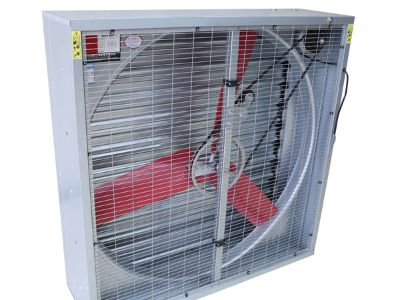
Choosing the right exhaust fan for your industrial needs can significantly impact your operational efficiency and air quality management. An exhaust fan is designed to remove stale air, smoke, fumes, and other contaminants from an environment, making it a critical component in various manufacturing and commercial settings. As a purchasing manager or engineer, your concerns may revolve around selecting the right specifications, understanding the application requirements, and ensuring product reliability. This article aims to provide you with practical insights on exhaust fans, helping you make informed purchasing decisions.
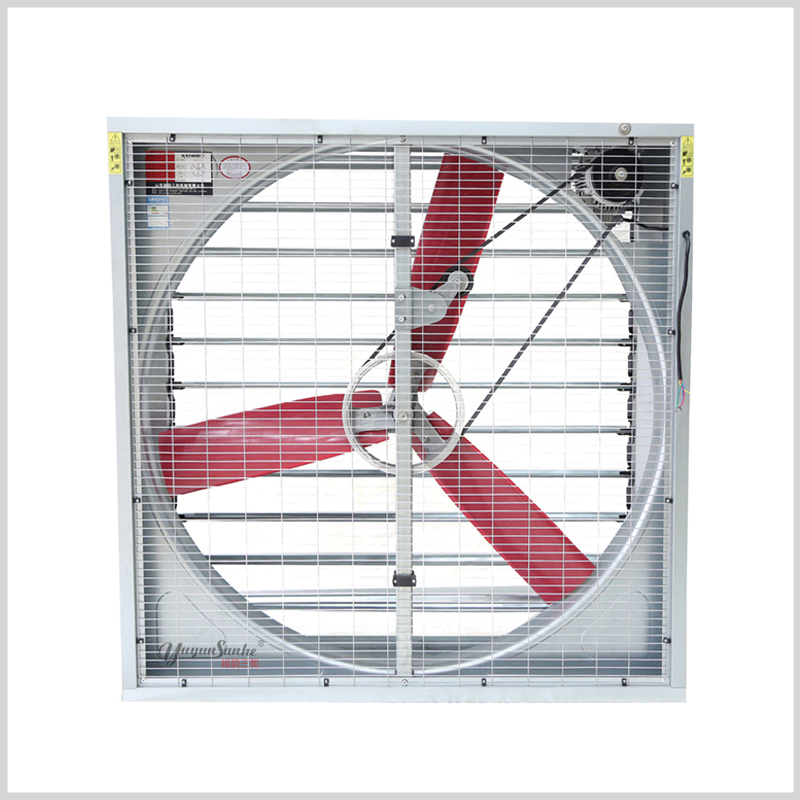
Common Problems with Exhaust Fans and Effective Solutions
Exhaust fans can encounter several common issues, and understanding these can help you mitigate potential problems. One frequent complaint is insufficient airflow, often caused by obstruction in the ductwork or incorrect fan sizing. Regular maintenance, including cleaning the fan blades and ducts, can prevent such issues.
Another common problem is noise, which can arise from imbalanced blades or worn bearings. Regular inspections and timely replacements of worn parts can help maintain quiet operation. Additionally, vibration can indicate installation issues or mechanical failures, which should be addressed promptly to avoid further damage.
Lastly, improper installation can lead to air leaks, reducing the fan's effectiveness. Ensure that your installation team follows manufacturer guidelines and conducts tests post-installation to confirm optimal performance.
 Sophie Dong

