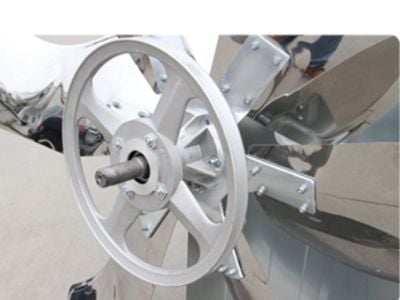
Key Specifications for Axial Industrial Extractors

All Categories

extractor axial industrial

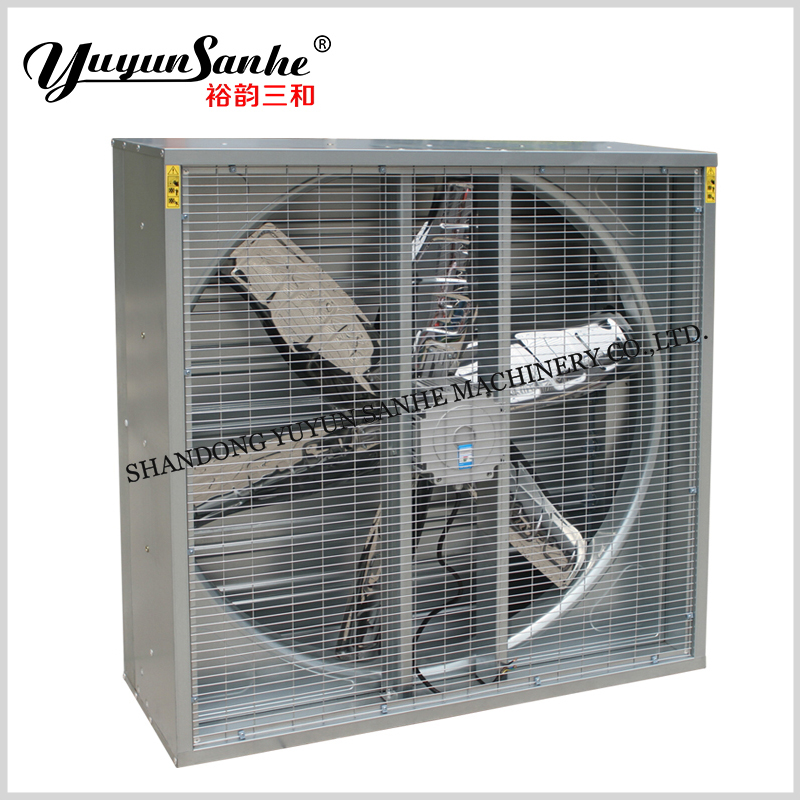
Axial industrial extractors play a crucial role in ventilation systems across various industries, ensuring effective air circulation and respiratory safety. As a buyer, understanding the features, specifications, and applications of these extractors is vital for making informed purchasing decisions. This article aims to equip purchasing managers, engineers, and distributors with the essential knowledge needed to evaluate axial industrial extractors effectively.
Evaluating the Cost Factors of Axial Industrial Extractors

Evaluating the Cost Factors of Axial Industrial Extractors

The total cost of an axial industrial extractor extends beyond the initial purchase price. Key cost factors include:

Initial Purchase Price: This varies based on size, specifications, and custom features. Buyers should compare quotes from multiple manufacturers to ensure competitive pricing.

Installation Costs: Consideration should be given to the complexity of installation, which may require specialized labor. Including installation costs in the budget can help avoid unexpected expenses.

Operating Costs: Energy consumption is a significant factor in the total cost of ownership. Extractors with higher efficiency ratings may have a higher upfront cost but can result in lower operating costs over time.

Maintenance and Repair Costs: Regular maintenance is crucial for optimal performance. Buyers should assess the availability and cost of replacement parts and service providers to minimize long-term expenses.

By evaluating these cost factors, buyers can make more informed decisions that balance upfront investment with long-term operational savings, especially when considering products like Air Cooler that may offer additional benefits.
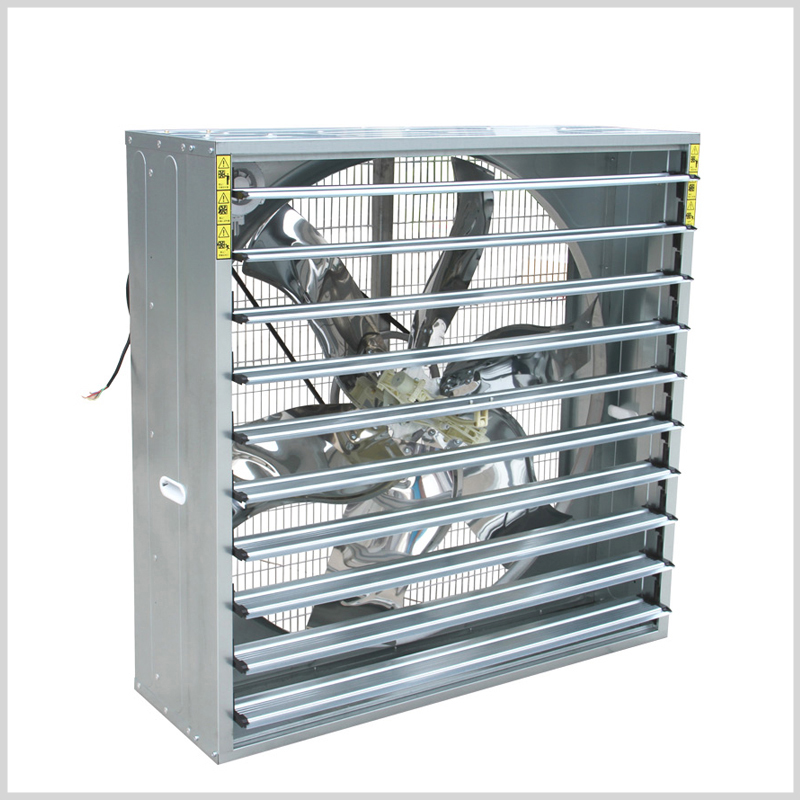
Understanding Material Advantages of Axial Industrial Extractors

Understanding Material Advantages of Axial Industrial Extractors

The materials used in axial extractors significantly impact their performance and durability. Common materials include:

Steel: Known for its strength and durability, steel is often used for housing and structural components. Buyers should ensure the steel is treated to resist corrosion, particularly in humid or chemically aggressive environments.

Aluminum: Lightweight and resistant to corrosion, aluminum is suitable for applications where weight reduction is essential. However, it may not be as robust as steel for high-stress environments.

Plastic: Used in some fan blades and housings, plastic can reduce weight and cost. It's essential to ensure that the plastic is UV resistant and suitable for the operating temperature range of the application.

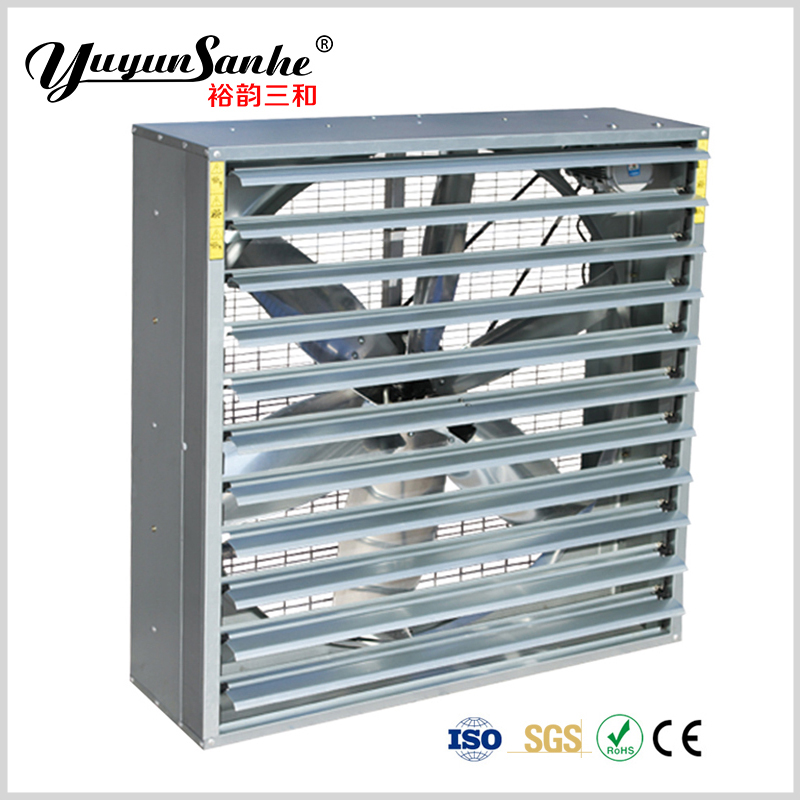
Selecting the appropriate material based on the operating environment and application requirements is key to ensuring the longevity and reliability of the extractor. Additionally, incorporating robust components like Shutters can enhance performance.

Applications of Axial Extractors in Various Industries

Applications of Axial Extractors in Various Industries

Axial industrial extractors are versatile and can be utilized across multiple sectors, including:

Manufacturing: These extractors are essential for maintaining air quality in manufacturing plants, especially where dust, fumes, or vapors are prevalent.

Agriculture: In livestock farms, axial extractors help regulate temperature and humidity, promoting animal health and comfort.

Warehousing and Distribution: Large warehouses benefit from axial extractors for effective air circulation, which is crucial for preserving product integrity, particularly for temperature-sensitive goods.

Food Processing: Ensuring compliance with health regulations, axial extractors help maintain clean air environments, crucial for food safety.

Understanding the specific applications of axial extractors can assist buyers in selecting models that meet the precise needs of their industry. For instance, additional resources like Poultry Equipment can also play a role in enhancing air management in agricultural settings.

Tips for Distributors and Contractors

For distributors and contractors involved in the procurement or installation of axial industrial extractors, consider the following tips:

Accurate Specifications: Ensure that the specifications provided by clients are precise. This includes airflow requirements, pressure ratings, and any specific customization needs. Miscommunication can lead to significant performance issues.

Sample Approval: Before mass production, request a sample for testing. This step is crucial to verify that the extractor meets performance expectations and fits within the intended system design.

Documentation and Support: Ensure that all products come with comprehensive documentation, including installation guides and maintenance recommendations. This can facilitate smoother installations and operations.

Quality Control Checks: Implement rigorous quality control measures to inspect products before shipment. This can help mitigate issues related to defects and performance inconsistencies.

By following these tips, distributors and contractors can enhance customer satisfaction and reduce the likelihood of complications during installation and operation.

In summary, the proper selection and understanding of axial industrial extractors are essential for any B2B buyer involved in air management systems. By considering key specifications, cost factors, material advantages, applications, and practical purchasing tips, buyers can make informed decisions that enhance operational efficiency and safety.

Frequently Asked Questions

What is the extractor axial industrial used for?

It provides high-volume ventilation for industrial, agricultural, and commercial spaces to control air flow, remove heat, moisture, odors and airborne contaminants.
We offer multiple diameters and performance ranges; capacities depend on model. Contact us with required airflow, pressure, and application for a recommended option.
Manufactured in our 30,000 sqm factory, products meet ISO9001, CE and RoHS standards and undergo strict quality control and R&D testing.
Constructed with durable metals and protective coatings; motors are industrial-grade, designed for continuous operation with options for different voltages and protections.
Yes. We offer technical guidance, installation advice, maintenance tips and supply spare parts. Contact our support with model details for service options.

Our Blog Posts

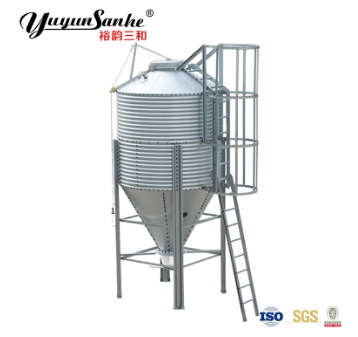
What to Consider When Installing a Storage Silo on Uneven Ground

19

Jun

What to Consider When Installing a Storage Silo on Uneven Ground

What to Consider When Installing a Storage Silo on Uneven GroundIt is also very important to have the ground ready for a storage silo when you have it erected on uneven ground to make it as safe and secure for use as is possible. First off, the groun...
View More
How Cooling Pads Reduce Energy Costs in Large-Scale Ventilation Systems

08

Dec

How Cooling Pads Reduce Energy Costs in Large-Scale Ventilation Systems

Cooling pads are an intelligent means to assist large air fans and systems to function better, without consuming a lot of power. Big systems bring in fresh outdoor air and produce cool air for large buildings like factories. These systems may require...
View More
Why Proper Ventilation Fans Prevent Crop Disease in Greenhouses?

10

Feb

Why Proper Ventilation Fans Prevent Crop Disease in Greenhouses?

Good airflow is really important thing in greenhouses. Plants they need fresh air so they can grow good and healthy. When the air moves around nice, it keep plants away from many disease. But if air stay stuck and no movement, then problems start com...
View More
Why Automated Poultry Farm Equipment Improves Productivity?

07

Feb

Why Automated Poultry Farm Equipment Improves Productivity?

Automated poultry farm equipment is really changing how farmers doing their work. With machines help, farmers can look after chickens much easier and faster way. This tech save time and also money. For example, automatic feeders give food to the bird...
View More

Get In Touch

Sophie Dong
Lorna Gao