Exhaust Ventilation Systems for Shops: A Guide

All Categories

exhaust ventilation systems for shops

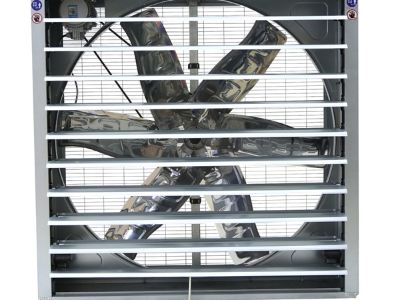
Exhaust ventilation systems for shops are essential for maintaining air quality and ensuring a safe working environment. These systems are designed to remove contaminants, odors, and excess heat generated during various industrial processes. For purchasing managers and engineers, understanding the technical specifications, quality evaluation, and installation requirements of these systems is paramount. This article will provide practical guidance on selecting and evaluating exhaust ventilation systems specifically tailored for shops, ensuring that you can make informed decisions that meet both operational needs and budget constraints.
How to Evaluate Quality in Exhaust Ventilation Systems

How to Evaluate Quality in Exhaust Ventilation Systems

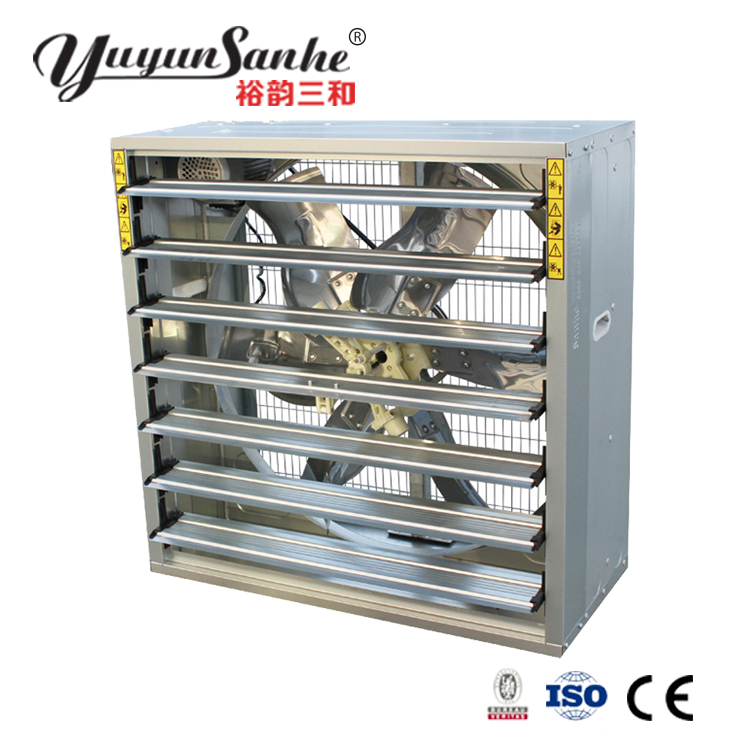
Quality evaluation of exhaust ventilation systems encompasses several key factors, including material durability, design efficiency, and certifications. Start by examining the materials used in construction. High-quality systems typically employ corrosion-resistant materials, which are essential for longevity, especially in environments with high humidity or exposure to chemicals.

Next, assess the design and efficiency of the system. Look for features such as energy-efficient motors and fan blade designs that improve airflow while minimizing noise levels. It's also beneficial to check for certifications like ISO9001, CE, and RoHS, which ensure that the products meet international quality and safety standards.

Lastly, consider the manufacturer’s reputation and their quality control processes. A manufacturer with a well-established track record in ventilation systems, such as Shandong Yuyun Sanhe Machinery Co., Ltd., can provide insights into the reliability and effectiveness of their products, helping to ensure that you are investing in a system that will perform well over time.
Cost Factors to Consider When Purchasing Exhaust Ventilation Systems

Cost Factors to Consider When Purchasing Exhaust Ventilation Systems

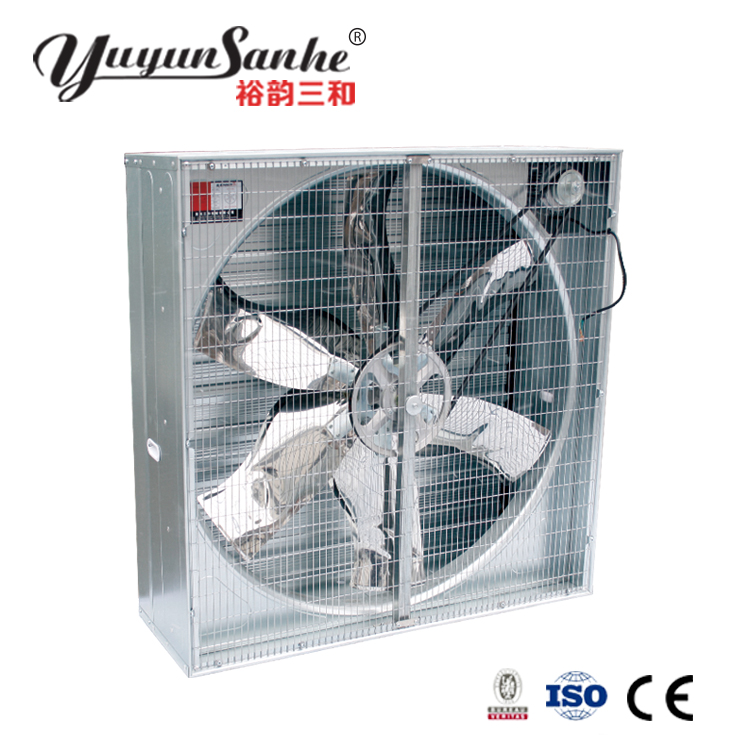
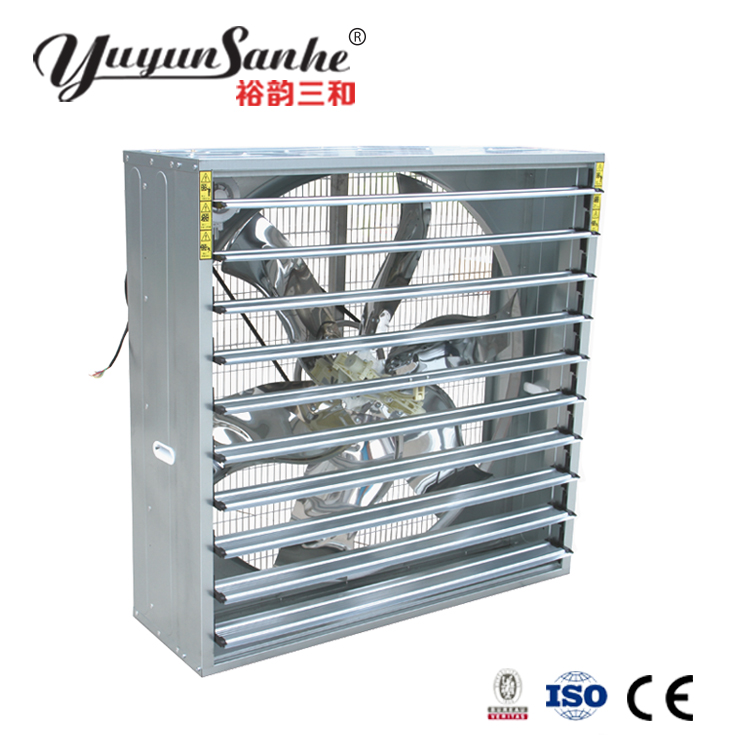
Understanding the cost factors associated with exhaust ventilation systems is crucial for budget-conscious purchasing managers. The initial purchase price is only one aspect; consider additional costs such as installation, maintenance, and energy consumption.

Initial Costs: This includes the price of the system itself, which can vary widely based on size, technology, and features.Installation Costs: Professional installation may be necessary, especially for complex systems. Ensure to get estimates from qualified contractors familiar with exhaust ventilation systems.Operational Costs: Factor in energy costs, as energy-efficient models may have higher upfront costs but significantly lower operating expenses over time.Maintenance Costs: Regular maintenance is essential to ensure optimal performance and longevity. Consider systems that offer easy access for cleaning and servicing.

By evaluating these factors, you can better understand the total cost of ownership for the exhaust ventilation system, helping you to make a more informed purchasing decision.

Installation Guidance for Exhaust Ventilation Systems in Shops

Installation Guidance for Exhaust Ventilation Systems in Shops

Proper installation of exhaust ventilation systems is critical to ensure efficiency and compliance with safety standards. Begin by reviewing the manufacturer's installation manual, which provides detailed instructions tailored to specific models. Key considerations include:

Location: Position the exhaust fans strategically to maximize air removal from contamination sources. Ensure that exhaust outlets are located away from air intakes to prevent re-circulation of pollutants.Ductwork: Choose ducts that minimize bends and turns to enhance airflow efficiency. Use appropriately sized ducts to prevent pressure drops that can hinder performance.Electrical Requirements: Ensure that the electrical supply meets the system's specifications, and that all connections comply with local codes.Testing: After installation, conduct airflow tests to confirm that the system is operating within the specified parameters. This step is crucial for ensuring that the ventilation meets the required safety standards.

Involving experienced installers can help mitigate common installation pitfalls, such as inadequate airflow or improper duct sizing, which may compromise system performance.

Exploring Applications of Exhaust Ventilation Systems in Various Industries

Exhaust ventilation systems have diverse applications across multiple industries. Here are some common uses:

Manufacturing: In manufacturing environments, these systems remove fumes, dust, and heat generated during production processes, improving worker safety and product quality.Automotive: In automotive shops, exhaust systems are vital for extracting harmful fumes generated during vehicle maintenance and repair, ensuring a safe working atmosphere.Food Processing: In food processing facilities, these systems help control odors and maintain air quality, which is crucial for compliance with health regulations.Chemical Processing: Industries handling chemicals rely on robust ventilation systems to manage hazardous vapors and ensure a safe working environment.

Understanding the specific application of exhaust ventilation systems in your industry helps in selecting the right system that meets both operational needs and regulatory requirements. Furthermore, manufacturers like Shandong Yuyun Sanhe Machinery Co., Ltd. can provide tailored solutions for diverse applications, ensuring that your shop is equipped with the most effective ventilation system available.

Selecting and implementing an exhaust ventilation system for shops involves careful consideration of various factors, including system specifications, quality evaluation, cost analysis, installation procedures, and application suitability. By understanding these elements, purchasing managers can make informed decisions that enhance operational efficiency and ensure a safe working environment.

Frequently Asked Questions

What types of exhaust ventilation systems do you offer?

We supply exhaust ventilation systems for shops including wall-mounted, ceiling, ducted and inline fan solutions, tailored for small retail to large commercial spaces with various airflow capacities and installation options.
Yes. Our systems are manufactured under ISO9001 quality management and carry CE and RoHS certifications, ensuring compliance with international safety and environmental standards.
Yes. We provide customized designs based on shop size, layout, airflow requirements and noise limits, supported by our professional R&D team and in-factory production capabilities.
Standard lead time is typically 3–6 weeks depending on order size and customization. Export to international destinations may add transit time; we will confirm timings upon order.
Yes. We offer technical guidance, installation instructions, spare parts supply and after-sales support from our factory team to ensure proper operation and maintenance.

Our Blog Posts

Best 5 Manufacturers for Evaporative Air Cooler

19

Jul

Best 5 Manufacturers for Evaporative Air Cooler

When it is hot outside, people always search for way to cool down quickly. One of best option to beat this heat is using evaporative air cooler. These machine use water for make the air cooler. Unlike normal air conditioners, they consume less energy...
View More
Why Greenhouse Ventilation Is Critical for Yield Stability

19

Nov

Why Greenhouse Ventilation Is Critical for Yield Stability

A greenhouse is like a large glass house for plants. They assist plants in getting bigger by shielding them from the cold, the wind and the critters. But just as your room needs fresh air, the plants within a greenhouse also require good quality...
View More
How Cooling Pads Reduce Energy Costs in Large-Scale Ventilation Systems

08

Dec

How Cooling Pads Reduce Energy Costs in Large-Scale Ventilation Systems

Cooling pads are an intelligent means to assist large air fans and systems to function better, without consuming a lot of power. Big systems bring in fresh outdoor air and produce cool air for large buildings like factories. These systems may require...
View More
The Role of Cooling Pads in Poultry Farm Climate Control

10

Dec

The Role of Cooling Pads in Poultry Farm Climate Control

When it comes to chicken farming, maintaining the health and happiness of your chickens is crucial. One of the ways farmers do its through the use of cooling pads in their barns. These pads are a major part of the climate control within the barn, par...
View More

Get In Touch

Sophie Dong
Lorna Gao