Essential Specifications for Industrial Exhaust Fans

All Categories

exhaust fan industri

Exhaust fans play a crucial role in industrial applications, providing effective ventilation, temperature control, and air quality improvement. For businesses looking to enhance their operational efficiency, understanding the key specifications and performance factors of exhaust fans is essential. This article will guide purchasing managers, engineers, and product managers through critical considerations like specifications, quality control, installation, and suitable applications for industrial exhaust fans.
Quality Control Standards for Durable Exhaust Fan Manufacturing

Quality Control Standards for Durable Exhaust Fan Manufacturing

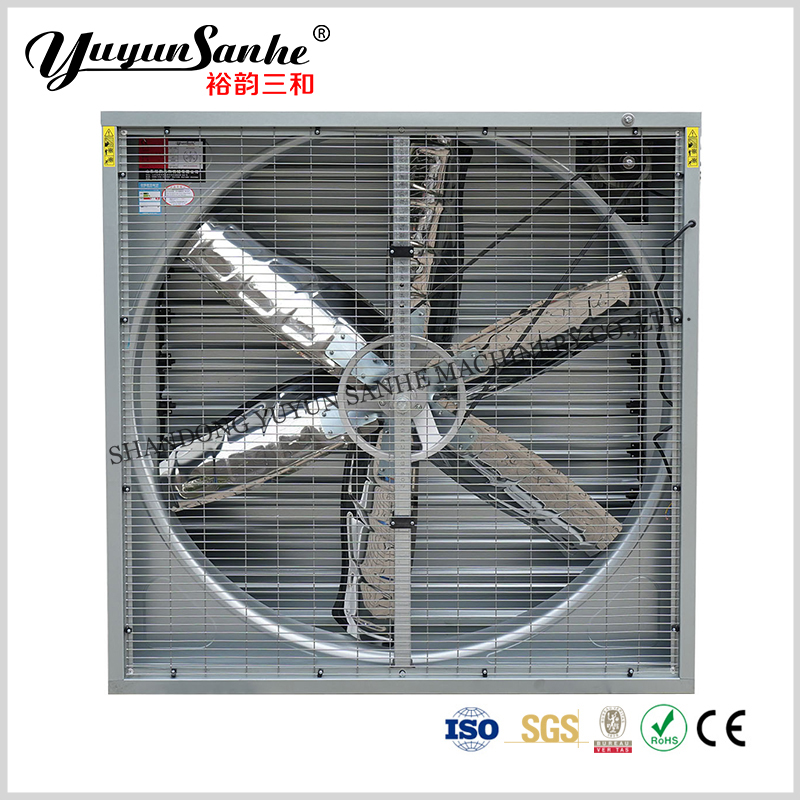
At Shandong Yuyun Sanhe Machinery Co., Ltd., quality control is paramount in the manufacturing of exhaust fans. Our adherence to ISO9001, CE, and RoHS certifications guarantees that our products meet international quality standards. Quality control processes include:

Material Inspection: All incoming materials undergo stringent inspections to ensure they meet specified requirements for strength, durability, and corrosion resistance.

Production Monitoring: Throughout the manufacturing process, we conduct regular quality checks at critical points, ensuring that each component adheres to our established specifications.

Final Testing: Each exhaust fan is subjected to comprehensive testing, including performance assessments under simulated operational conditions. This helps identify any manufacturing defects before shipment.

Documentation: Detailed records of inspections and tests are maintained, providing traceability and accountability throughout the production process.

By implementing these quality control measures, we ensure that our exhaust fans are not only durable but also reliable in demanding industrial environments.
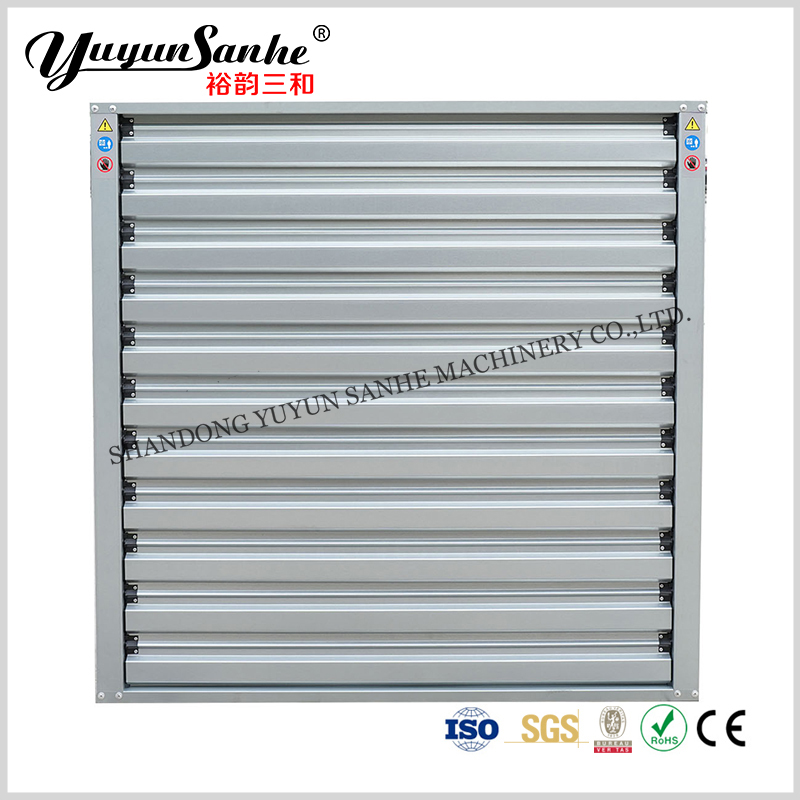
How to Compare Exhaust Fans for Optimal Performance and Cos

How to Compare Exhaust Fans for Optimal Performance and Cos

When comparing exhaust fans, several factors influence both performance and cost-effectiveness. Key aspects to consider include:

Energy Efficiency: Look for fans with high-efficiency motors that reduce energy consumption. Energy-efficient fans often come with a higher upfront cost but lead to long-term savings on electricity bills.

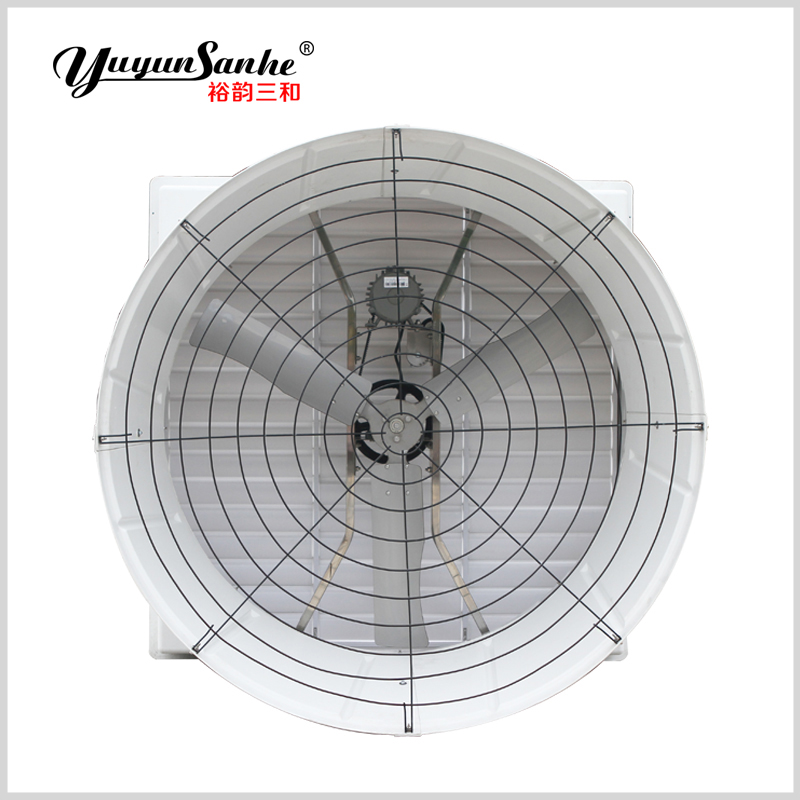
Maintenance Requirements: Evaluate the expected maintenance needs of each fan model. Fans designed for easy access and minimal upkeep can save time and costs over their lifespan. For instance, consider our Maintenance-Free Variable Speed Direct Drive Exhaust Fan with EC Motor.

Warranty and Support: A robust warranty and customer support can significantly impact long-term satisfaction. Ensure you understand the warranty terms and what support is available for maintenance or troubleshooting.

Customization Options: Depending on your specific application, you may need fans tailored to unique specifications. Assess manufacturers’ capabilities for custom designs, which can address specific requirements while optimizing performance.

Total Cost of Ownership (TCO): Consider not only the initial purchase price but also installation, operational, and maintenance costs over the fan's lifespan. A lower purchase price may not always equate to lower overall costs.

By carefully comparing these factors, buyers can make informed decisions that balance performance, durability, and cost.

Installation Guidance for Efficient Exhaust Fan Setup

Installation Guidance for Efficient Exhaust Fan Setup

Proper installation of exhaust fans is critical for maximizing their performance and longevity. Here are essential installation considerations:

Location Selection: Position fans in areas where they can efficiently expel stagnant air or contaminants. Avoid placing them in locations where airflow may be obstructed.

Mounting Method: Ensure that the fan is securely mounted according to the manufacturer's specifications. Vibration-dampening mounts can also reduce noise and extend the fan's lifespan.

Ductwork Considerations: If applicable, ensure that ductwork is properly sized and installed to minimize airflow resistance. Smooth duct surfaces help maintain optimal airflow and reduce energy consumption.

Electrical Connections: Follow electrical codes and guidelines when connecting the fan to power sources. Improper connections can lead to operational issues or safety hazards.

Testing After Installation: Once installed, conduct a performance test to confirm that the fan operates as expected, checking for airflow levels, noise, and vibrations.

By adhering to these installation guidelines, businesses can ensure that their exhaust fans operate efficiently and effectively.

Where to Use Industrial Exhaust Fans

Industrial exhaust fans are versatile and can be utilized in various applications. Common uses include:

Manufacturing Facilities: In environments where machinery generates heat, fumes, or dust, exhaust fans help maintain air quality and temperature control.

Food Processing Plants: These fans are crucial in removing excess moisture and odors, promoting a safe and hygienic environment.

Chemical Processing: In facilities handling hazardous materials, exhaust fans play a vital role in ensuring that toxic fumes are expelled safely, complying with health and safety regulations.

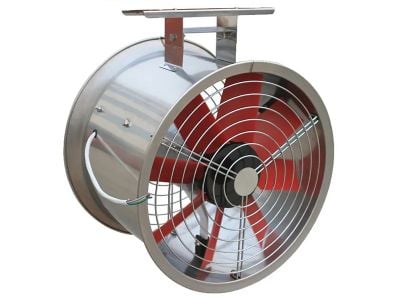
Agricultural Applications: Exhaust fans are essential in livestock housing and greenhouses, aiding in temperature and humidity control for optimal animal welfare and plant growth. Consider our Greenhouse Fan Air Circulation Fan for Greenhouse/Poultry Farm for effective ventilation.

Warehouses: These fans help manage air circulation and temperature, ensuring a comfortable environment for workers and protecting stored goods.

Understanding the specific applications for industrial exhaust fans allows purchasing managers and engineers to select the most suitable solutions for their operational needs.

By considering these factors, decision-makers can make informed choices that enhance operational efficiency and comply with safety regulations.

Frequently Asked Questions

What is the exhaust fan industri designed for?

Our exhaust fan industri is designed for industrial ventilation, cooling and air circulation in factories, warehouses, barns, and production facilities to remove heat, fumes, dust and moisture efficiently.
Manufactured under ISO9001 with CE and RoHS certifications, ensuring quality, safety and compliance for international markets.
We offer multiple sizes and airflow options to match different industrial requirements; contact us with your area and required ACH for recommended models.
Yes. It is suitable for breeding and livestock houses, providing stable ventilation, temperature control and humidity reduction to improve animal welfare.
We provide factory-backed warranty and technical support, spare parts availability, and installation guidance from our RD team to ensure reliable long-term operation.

Our Blog Posts

Best 5 Manufacturers for Exhaust Fan

07

Sep

Best 5 Manufacturers for Exhaust Fan

Proper ventilation is key to creating a healthy and comfortable environment in homes as well as commercial spaces. It not only helps to keep the indoor air fresh and breathable, but it also works in decreasing excess moisture that can encourage mold/...
View More
Top 4 Heavy Hammer Exhaust Fan Manufacturers In Australia

16

Jul

Top 4 Heavy Hammer Exhaust Fan Manufacturers In Australia

Choosing right exhaust fan can be tough, especialy when many companys make them. In Australia, YuyunSanhe stands out for heavy hammer exhaust fans. These fans is important in factorys and workshops. They help keep air clean and remove smoke, dust and...
View More
How Cooling Pads Improve Airflow Efficiency in Evaporative Cooling Systems

06

Dec

How Cooling Pads Improve Airflow Efficiency in Evaporative Cooling Systems

Evaporative cooling units require cooling pads, which play a crucial role in the performance of the airflow. Industrial Systems Industrial systems such as those produced by YuyunSanhe are based on the evaporation cooling principle. When drenched with...
View More
How to Design a Greenhouse Ventilation System for Different Climates?

09

Feb

How to Design a Greenhouse Ventilation System for Different Climates?

Creating a good greenhouse ventilation system is really important if you want grow healthy plants. The right ventilation can control temperature, humidity and also air quality inside. This matter a lot in different climates, because weather change ho...
View More

Get In Touch

Sophie Dong
Lorna Gao