Evaporative Cooling System for Greenhouses

All Categories

evaporative cooling system for greenhouse

An evaporative cooling system for greenhouse applications is a vital component for maintaining optimal climate conditions, ensuring that crops thrive. Selecting the right system is essential for B2B buyers like purchasing managers, distributors, and engineers, who often have specific concerns regarding efficiency, cost, and system reliability. This article provides detailed insights into what to consider when choosing an evaporative cooling system, evaluates quality, explores cost factors, identifies common challenges, and compares options for wholesale buyers.

How to Evaluate the Quality of Greenhouse Cooling Solutions

How to Evaluate the Quality of Greenhouse Cooling Solutions

Evaluating the quality of evaporative cooling systems involves reviewing several specifications and certifications. Look for products that have been certified by relevant standards such as ISO9001 and CE, which indicate adherence to quality management and safety standards.

Operational efficiency is a significant quality marker. Systems with higher cooling efficiency will consume less water and energy, leading to lower operating costs. Buyers should request performance data that includes energy consumption rates, water usage, and cooling effectiveness under various environmental conditions.

Quality control processes during manufacturing are also essential. Understanding whether the manufacturer employs rigorous testing and inspection during production can help ensure that the products meet the required performance standards. Buyers should ask for details on quality checks and any warranty offered, as this can provide additional assurance of the product's reliability.
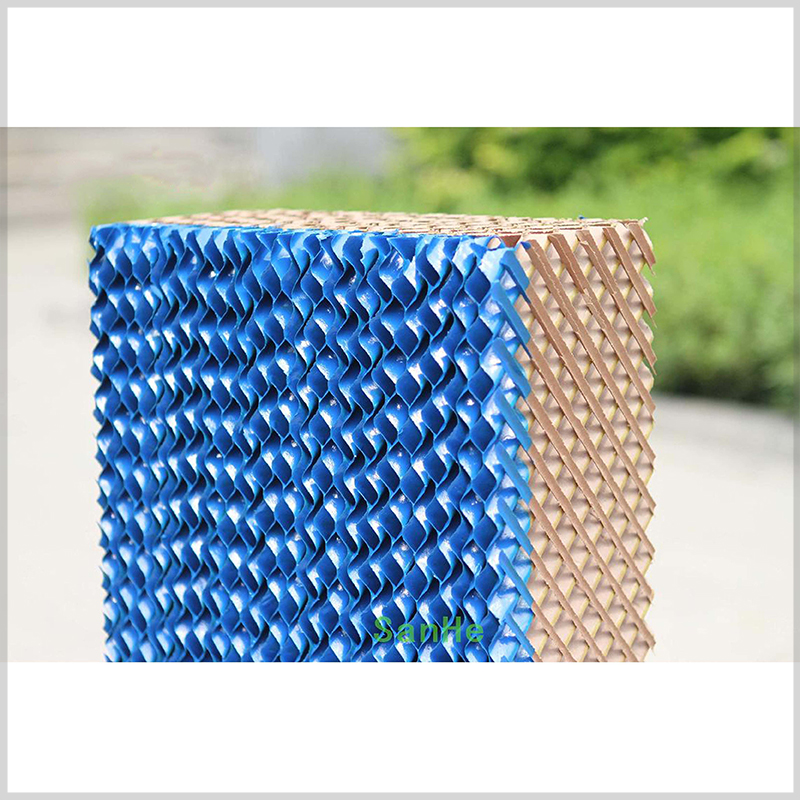
Cost Factors for Installing Evaporative Cooling in Greenhouses

Cost Factors for Installing Evaporative Cooling in Greenhouses

The total cost of installing an evaporative cooling system encompasses more than just the purchase price. Key cost factors include installation, maintenance, and operational expenses. Installation costs may vary based on the complexity of the system and the specific requirements of the greenhouse. It’s advisable to obtain quotes from multiple suppliers to understand the market rate.

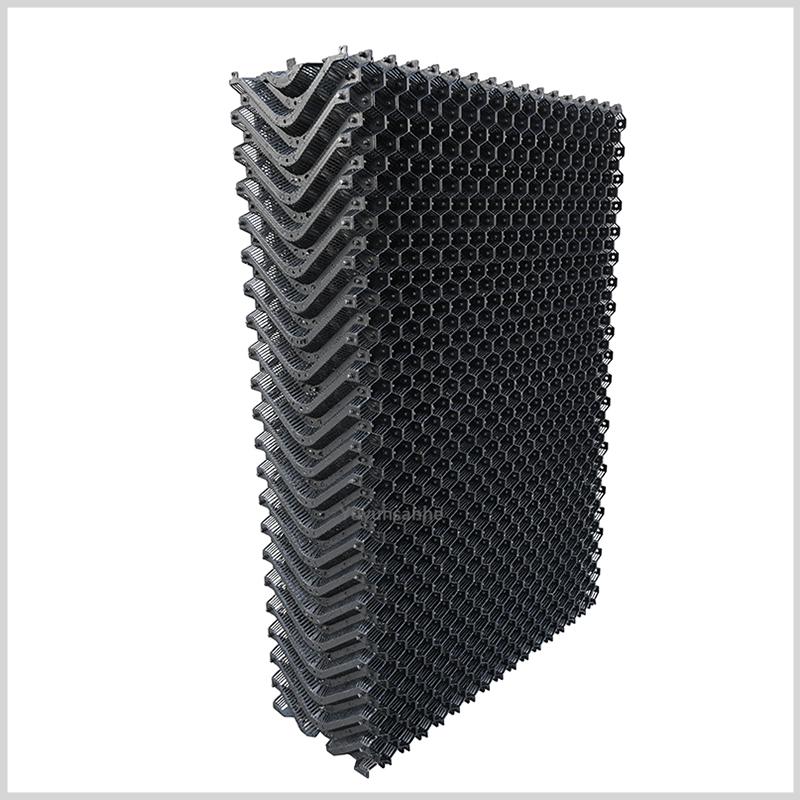
Maintenance costs should not be overlooked. Regular upkeep is necessary to ensure optimal performance, which may include cleaning the cooling pads, checking the fan and motor operation, and inspecting water distribution systems. Buyers should inquire about the typical maintenance requirements and associated costs when evaluating different systems.

Operational costs are also critical; systems that require significant water or energy inputs can lead to high monthly bills. Consider systems designed for efficiency that minimize these inputs without compromising performance. Water Tank systems can be beneficial in this regard.

Common Problems with Cooling Systems and Their Solutions

Common Problems with Cooling Systems and Their Solutions

Evaporative cooling systems can face several common issues, including inadequate airflow, water quality problems, and mechanical failures. Inadequate airflow often results from poor installation or maintenance, leading to uneven cooling. To mitigate this, ensure that the system is installed according to the manufacturer’s guidelines and that regular maintenance checks are performed.

Water quality is another concern, as contaminants can clog cooling pads and reduce efficiency. Implementing a water filtration system can help maintain water quality and prolong the life of the cooling pads. Regular cleaning and monitoring of water sources are also advisable.

Mechanical failures, such as fan malfunctions or pump issues, can disrupt system operation. Establishing a routine inspection schedule can help identify potential problems early. Buyers should consider suppliers that offer robust technical support and readily available replacement parts to address any mechanical issues swiftly.

Comparing Evaporative Cooling Systems for Wholesale Buyers

For wholesale buyers, comparing different evaporative cooling systems is essential to making an informed purchasing decision. Start by assessing the specifications of each system, focusing on CFM rating, energy efficiency, and water usage. Create a comparison table to visualize these metrics across different models.

Additionally, consider the manufacturer’s reputation. Established manufacturers like Shandong Yuyun Sanhe Machinery Co., Ltd. offer a history of reliability and quality, supported by certifications such as ISO9001, CE, and RoHS. Their experience in exporting to over 70 countries also indicates a solid understanding of international standards and customer requirements.

Customization capabilities can also be a deciding factor. Some manufacturers may offer tailored solutions, allowing buyers to specify dimensions, materials, and additional features that meet their unique operational needs. Be sure to inquire about minimum order quantities (MOQ) and lead times, as these can impact your purchasing strategy.

When comparing options, also assess the total cost of ownership, including purchase price, installation, maintenance, and operational expenses. This holistic view will help identify the best value option in the long term.

By considering these factors, B2B buyers can make informed decisions regarding evaporative cooling systems for greenhouses, ensuring optimal performance and efficiency in their climate control solutions.

Frequently Asked Questions

What is an evaporative cooling system for greenhouse?

A system that lowers greenhouse temperature by passing air through water-wetted pads, providing energy-efficient cooling and improved humidity control for plant environments.
We offer customized sizes and configurations produced in our 30,000 sqm factory to fit small to large greenhouses and different airflow requirements.
Evaporative cooling uses significantly less electricity than refrigerated cooling, reducing energy costs while maintaining effective temperature and humidity control.
Our products are manufactured under strict quality control and certified with ISO9001, CE, and RoHS to ensure reliability and safety.
Yes. We offer technical support, installation guidance, spare parts, and after-sales service backed by our experienced R&D and service team for exported systems.

Our Blog Posts

Top 4 Heavy Hammer Exhaust Fan Manufacturers In Australia

16

Jul

Top 4 Heavy Hammer Exhaust Fan Manufacturers In Australia

Choosing right exhaust fan can be tough, especialy when many companys make them. In Australia, YuyunSanhe stands out for heavy hammer exhaust fans. These fans is important in factorys and workshops. They help keep air clean and remove smoke, dust and...
View More
Why Heavy Hammer Exhaust Fans Deliver Long-Term Value for B2B Clients

09

Mar

Why Heavy Hammer Exhaust Fans Deliver Long-Term Value for B2B Clients

YuyunSanhe assists many industries that require fans with excellent strength and reliability. The Heavy Hammer Exhaust Fan is one of the most excellent fans they have. "The fans are perfect for maintaining clear and cooler air in work areas. They als...
View More
How to Choose the Right Breeding Equipment for Your Farm

04

Dec

How to Choose the Right Breeding Equipment for Your Farm

Picking the right breeding equipment can be the difference between success for your operation or not! If you’re getting started, or if you want to upgrade your arsenal of tools, here are a few things to consider as you figure out what tools wil...
View More
How Air Inlet Design Affects Indoor Air Quality?

11

Dec

How Air Inlet Design Affects Indoor Air Quality?

Meanwhile, air inlets is one of the important factors in indoor air quality control. Air inlets, when well-conceived, bring fresh air from outdoors into a building. This can then help to keep the air inside clean and healthy to breathe. YuyunSanHe kn...
View More

Get In Touch

Sophie Dong
Lorna Gao