Cooling Pads for Polyhouses: Selection and Installation

All Categories

cooling pad for polyhouse

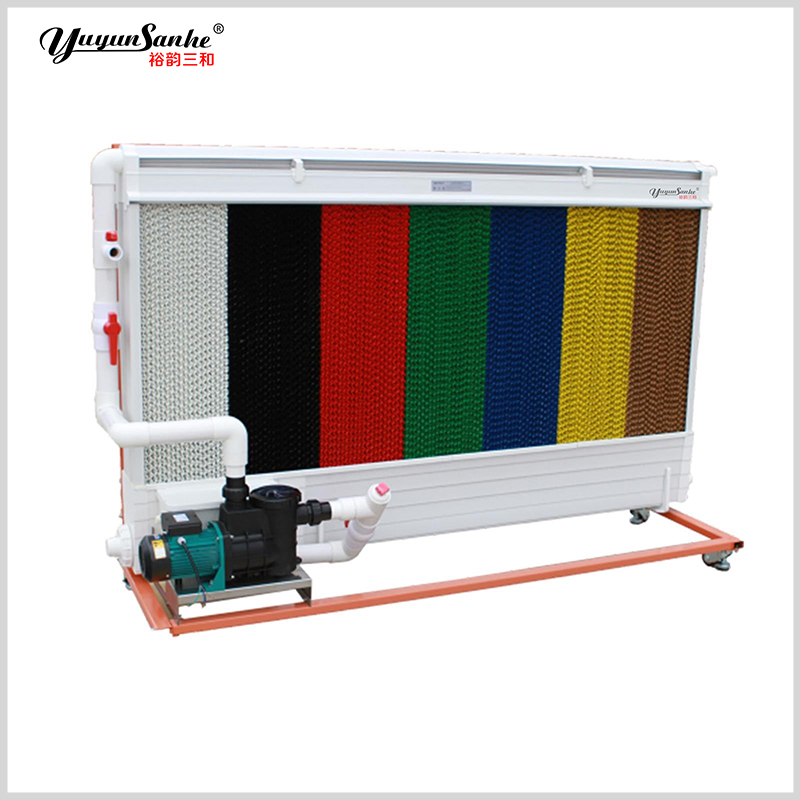
Cooling pads for polyhouses are essential components in agricultural ventilation systems, designed to regulate temperature and humidity levels effectively. As a B2B buyer, understanding the specific requirements for cooling pads is crucial to ensure optimal performance and longevity. This article will help you navigate the selection process, focusing on key specifications, features, installation guidance, and cost considerations that impact your purchasing decisions.
Key Specifications of High-Quality Cooling Pads for Polyhouses

Key Specifications of High-Quality Cooling Pads for Polyhouses

When evaluating cooling pads, consider the following specifications that indicate quality and suitability for your polyhouse:

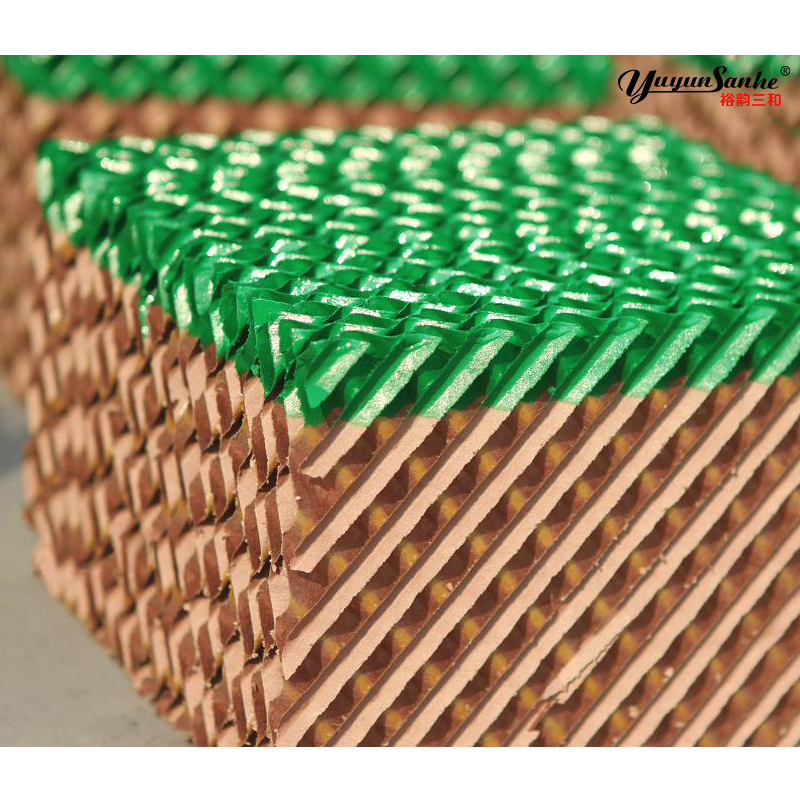
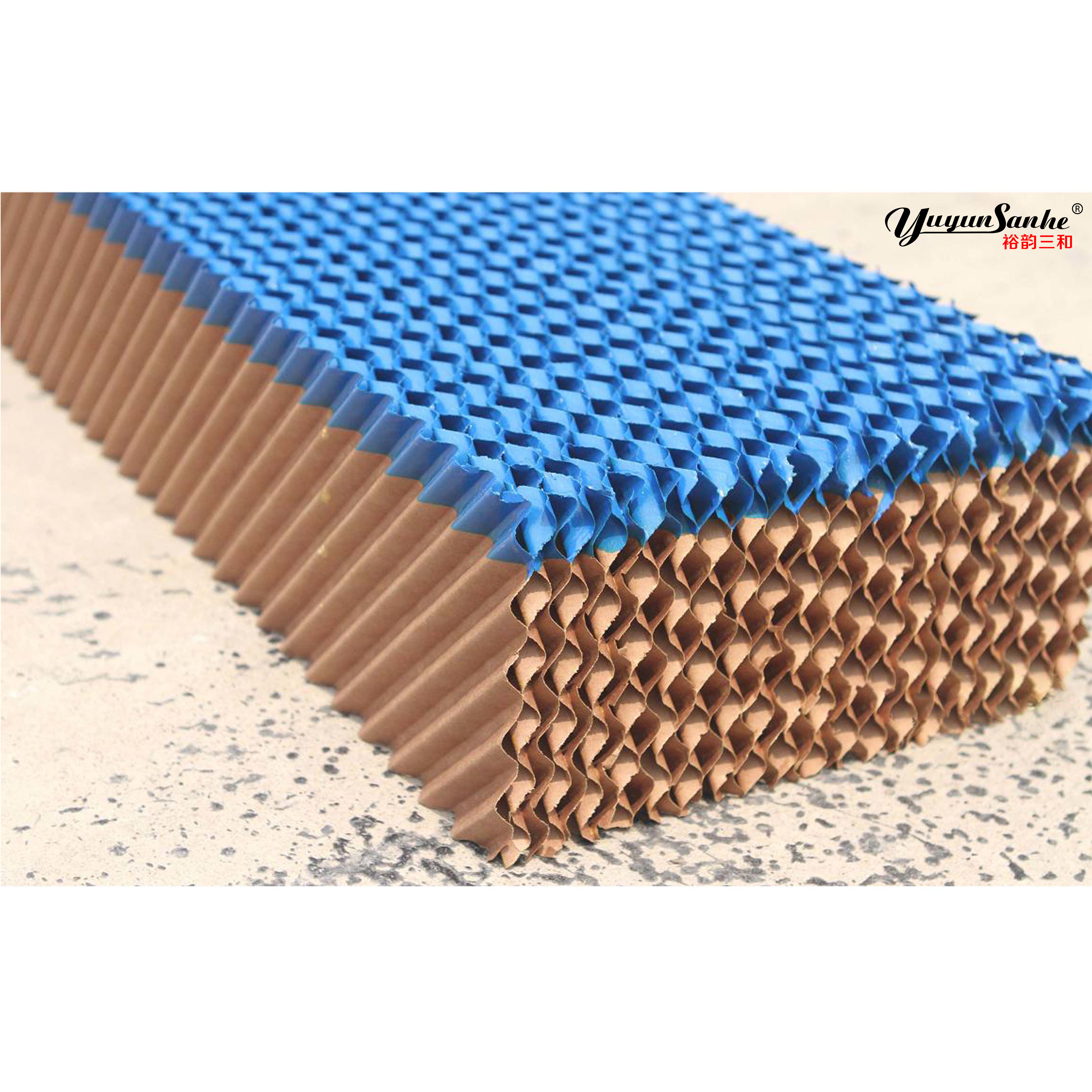
Material: High-quality cooling pads are generally made from cellulose or synthetic materials designed for durability and water resistance. Cellulose pads often provide better cooling efficiency due to their structural properties.

Thickness: The thickness of the cooling pad impacts its cooling capacity. Thicker pads typically offer better cooling but may also affect airflow. A common thickness range is between 4 to 10 inches, depending on the ventilation requirements.

Cooling Efficiency Rating: Look for a cooling efficiency rating, usually expressed as a percentage. A higher efficiency rating means the pad can provide better temperature reductions.

Water Absorption Rate: This measures how quickly the pad can absorb water, which is critical for effective evaporative cooling. A higher absorption rate leads to quicker cooling responses.

Durability: Consider the expected lifespan of the cooling pad under operating conditions. High-quality pads should withstand wear and tear from water exposure and environmental conditions.

Fire Resistance: In agricultural settings, fire resistance can be important. Ensure that the pads meet local fire safety standards.

These specifications will help you assess the performance and suitability of cooling pads for your specific polyhouse applications.
Features to Consider for Polyhouses

Features to Consider for Polyhouses

In addition to core specifications, certain features can enhance the performance and usability of cooling pads in polyhouses:

Anti-Microbial Treatment: Some cooling pads are treated to resist mold and bacteria growth, which can improve air quality and reduce the risk of plant diseases.

Custom Sizing Options: Depending on your polyhouse design, you may require specific dimensions. Choose a supplier that offers customization to fit your unique setup, such as the Electric Shutter Louvers with Belimo Actuator.

Easy Installation: Look for cooling pads designed for straightforward installation. Some models come with mounting brackets or systems that simplify the setup process.

Compatibility with Existing Systems: Ensure that the cooling pad is compatible with your current ventilation system. Discussing these details with the supplier can prevent costly modifications later.

Environmental Impact: If sustainability is a concern, consider pads made from recycled materials or those that use environmentally friendly manufacturing processes.

By considering these features, you can select cooling pads that not only meet your functional requirements but also align with your operational goals and values.

Installation Guidance for Efficient Cooling Pads in Polyhouse Systems

Installation Guidance for Efficient Cooling Pads in Polyhouse Systems

Proper installation of cooling pads is crucial for maximizing their efficiency. Here are key steps to ensure effective installation:

Location: Position the cooling pads on the side of the polyhouse that receives prevailing winds. This maximizes airflow through the pads, enhancing their cooling effect.

Sealing and Insulation: Ensure that the installation area is well-sealed to prevent air leaks. Insulation around the edges of the pads can help maintain cooling efficiency.

Water Supply: Connect a reliable water supply system to the pads. Ensure that the water distribution is even across the surface of the pads to prevent dry spots.

Support Structure: Use a sturdy frame to support the cooling pads. It should be designed to handle the weight of the pads when saturated with water.

Regular Maintenance Checks: After installation, schedule regular maintenance checks to ensure the cooling pads remain clean and functional. Clogged or dirty pads can significantly reduce cooling efficiency.

By following these installation guidelines, you can enhance the performance of your cooling system and reduce potential operational issues.

Cost Factors to Consider When Purchasing Cooling Pads in Bulk

When considering bulk purchases of cooling pads, several cost factors should be evaluated to ensure you get the best value:

Unit Price: While bulk orders typically reduce the unit price, be sure to compare prices across different suppliers. Request quotes that include all potential costs, including shipping and handling.

Minimum Order Quantity (MOQ): Some manufacturers may have a minimum order quantity that could affect your purchasing decision. Ensure that your order meets or exceeds the MOQ to avoid additional fees.

Customization Costs: If you require customized cooling pads, factor in any additional costs associated with modifications. Discuss these with your supplier to avoid surprises.

Shipping Costs: Consider the logistics of transporting cooling pads. Assess whether local suppliers can reduce shipping costs and delivery times compared to international options.

Long-Term Value: Evaluate the long-term costs associated with maintenance and replacement. Higher-quality cooling pads, like the Maintenance-Free Variable Speed Direct Drive Exhaust Fan with EC Motor, may have a higher upfront cost but could save money over time due to lower replacement and maintenance needs.

Warranty and Support: Inquire about the warranty terms and customer support provided by the manufacturer. A robust warranty can offer peace of mind and protect your investment.

By understanding these cost factors, you can make informed purchasing decisions that align with your budget and operational needs.

Frequently Asked Questions

What is the cooling pad for polyhouse used for?

Our cooling pad reduces greenhouse temperature and increases humidity to create a stable growing environment for plants and livestock, improving yield and comfort in polyhouse structures.
Manufactured in our 30,000 sqm factory, pads use durable cooling media and components produced under ISO9001 quality control and meet CE and RoHS certifications.
We offer multiple pad sizes and modular panels to fit various polyhouse dimensions; options include frame-mounted or integrated systems. Custom sizes available on request.
Regularly inspect for debris, flush with clean water monthly, remove mineral buildup, and replace pads if damaged to ensure efficient operation and long service life.
Yes. We offer installation guidance, after-sales technical support, and supply spare parts and replacement pads to customers in over 70 countries.

Our Blog Posts

The Impact of Motor Directly Drive Exhaust Fans on Industrial Productivity

15

Feb

The Impact of Motor Directly Drive Exhaust Fans on Industrial Productivity

How Exhaust Fans Help WorkersThe air is pushed out from a small closet, so it has less than a square foot area with all of the doorways, bar-hatches, or windows wide open. These fans function by sucking the hot and humid air from inside the building ...
View More
Why Industrial Ventilation Fans Are Critical in Heat-Intensive Environments?

24

Oct

Why Industrial Ventilation Fans Are Critical in Heat-Intensive Environments?

It can be really warm in such crafty and factory type of environments, and the air can be filled with stuff you don’t want in your lungs. This is where industrial ventilation fans, such as those manufactured by YuyunSanhe, come in very useful. They &...
View More
What to Consider When Choosing a Greenhouse Ventilation Fan

28

Nov

What to Consider When Choosing a Greenhouse Ventilation Fan

Picking right greenhouse ventilation fan make big differnce in keep your plants healthy. Good fan help control temp and humidty, which super important for grow veg and flowers. If too much heat or moist, plants can sick or die. So its really key to t...
View More
How Greenhouse Ventilation Fans Regulate Temperature and Humidity?

12

Feb

How Greenhouse Ventilation Fans Regulate Temperature and Humidity?

Greenhouse ventilation fans are really important to keep plants healthy. They control the temperature and humidity inside greenhouse, which is very needed for plants grow good. If it become too hot or too much humid, plants get stressed and not grow ...
View More

Get In Touch

Sophie Dong
Lorna Gao