Choosing the Right Cooler Paper Pad for Wholesale

All Categories

cooler paper pad

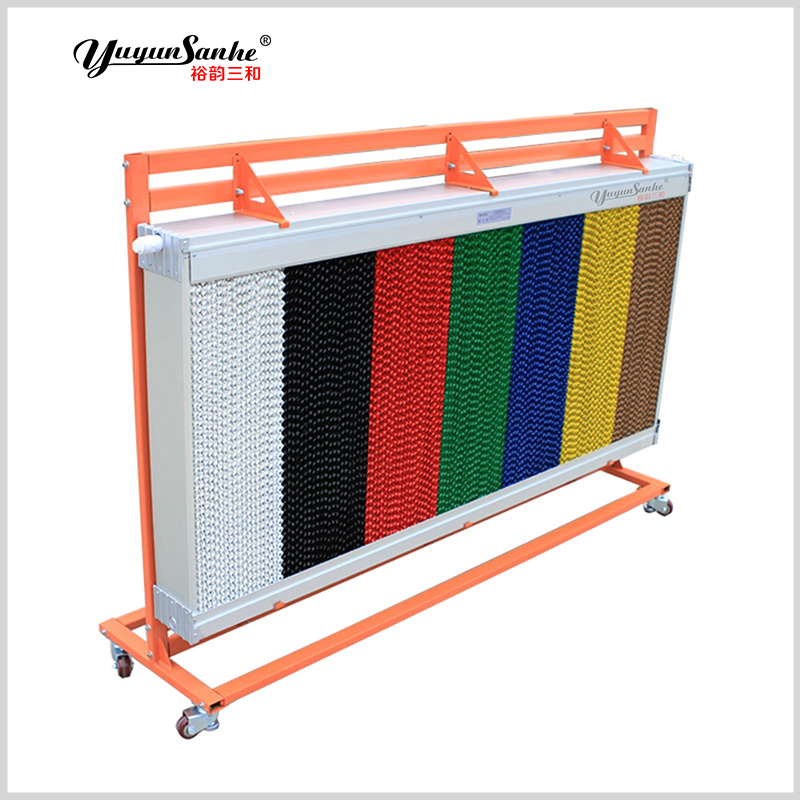
Choosing the right cooler paper pad is critical for businesses seeking effective climate control solutions in various applications. These pads are essential components in evaporative cooling systems, providing optimal moisture retention and air circulation. As a B2B buyer, understanding the specifications, materials, and applications of cooler paper pads is vital for making informed purchasing decisions. This article will guide you through key considerations, specifications, common applications, material advantages, and expert tips for selecting the right cooler paper pad for your needs.
Key Specifications of Cooler Paper Pads for Bulk Purchasing Decisions

Key Specifications of Cooler Paper Pads for Bulk Purchasing Decisions

When assessing cooler paper pads, specific key specifications are crucial for bulk purchasing decisions. These include:

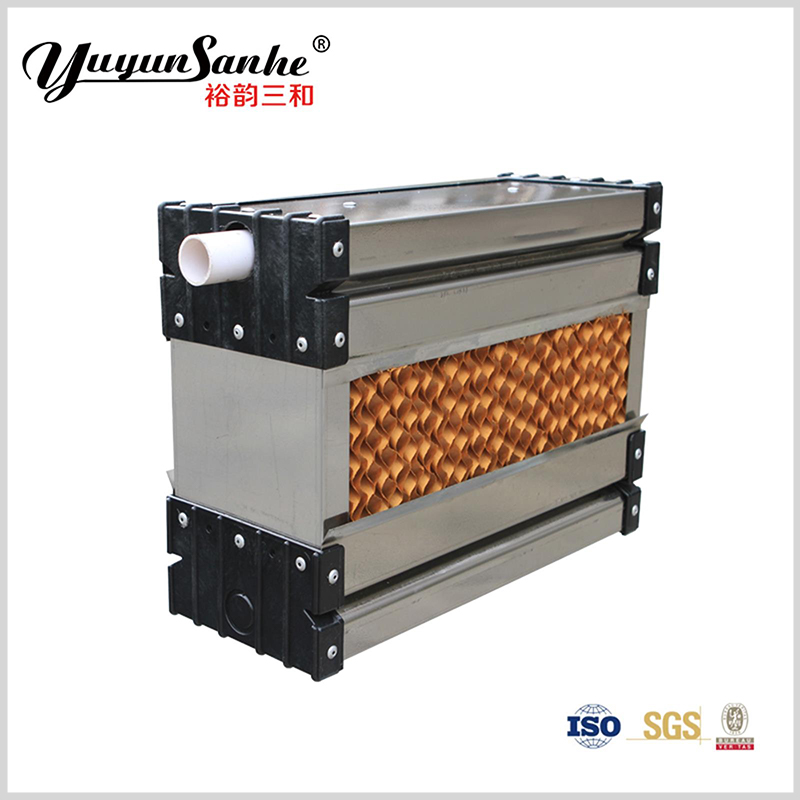
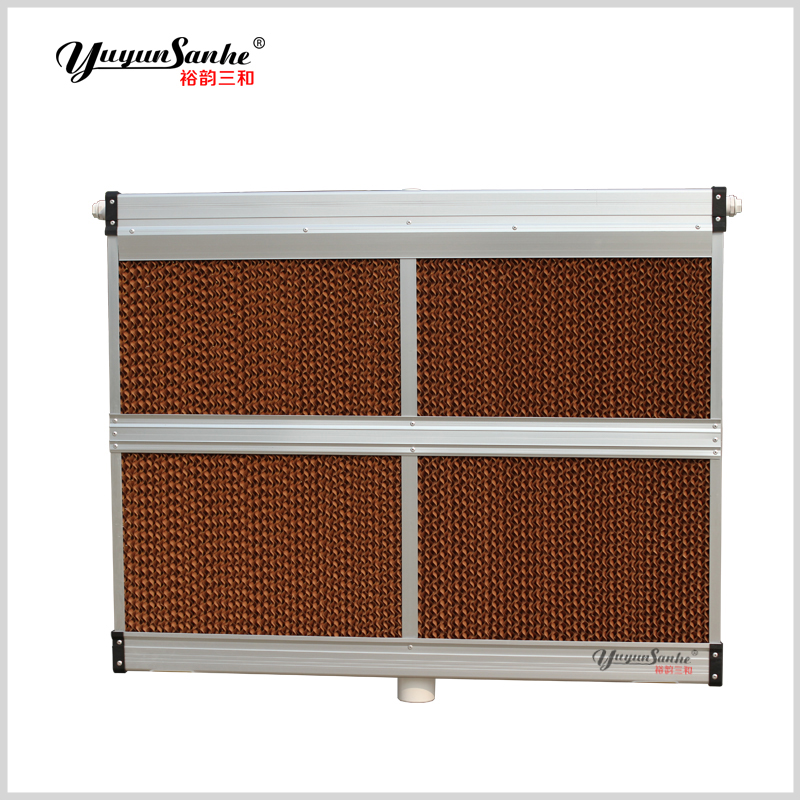
Material Composition: Cooler pads are typically made from cellulose, aspen fiber, or synthetic materials. Each material has its unique properties affecting moisture absorption, durability, and cooling efficiency.Thickness: Pads generally range from 3 to 12 inches in thickness, impacting the surface area exposed to airflow. Thicker pads tend to provide better cooling but may require more maintenance due to potential clogging.Water Retention Capacity: This specification indicates how much water the pad can hold, which is essential for evaporative cooling. Higher retention capabilities lead to more efficient cooling.Durability and Lifespan: Assess the expected lifespan of the cooler pads under various operating conditions. Quality manufacturing processes contribute to longer-lasting products.Compatibility: Ensure that the cooler paper pads fit your existing cooling systems. Different systems may require specific dimensions or shapes.

These specifications should be confirmed with the supplier to avoid compatibility issues and ensure optimal performance.
Common Application Scenarios for Cooler Paper Pads in Various Industries

Common Application Scenarios for Cooler Paper Pads in Various Industries

Cooler paper pads find diverse applications across various industries, making them versatile components in climate control systems. Common scenarios include:

Agriculture: In poultry and livestock farming, cooler pads are used to maintain optimal temperature and humidity levels in barns and animal housing, improving animal welfare and productivity. For instance, investing in Poultry Equipment can also enhance your farming operations significantly.Industrial Cooling: Factories and manufacturing plants utilize cooler pads in their HVAC systems to manage heat in production areas, enhancing worker comfort and operational efficiency.Commercial Spaces: Retail stores and warehouses employ evaporative cooling systems featuring cooler pads to reduce energy costs associated with traditional air conditioning, providing a cost-effective solution for temperature control.Greenhouses: Cooler pads help regulate temperature and humidity levels in greenhouses, promoting healthier plant growth and yield.

Understanding these applications can assist buyers in selecting the right pad tailored to specific operational needs.

Comparing Material Advantages of Different Cooler Paper Pads on the Marke

Comparing Material Advantages of Different Cooler Paper Pads on the Marke

The materials used in cooler paper pads significantly influence their performance and application. Here’s a comparison of the advantages of various materials:

Cellulose Pads: These are among the most common and cost-effective options. They offer good water retention and are biodegradable, making them an environmentally friendly choice. However, they may have a shorter lifespan compared to synthetic alternatives.

Aspen Fiber Pads: Known for their high durability, aspen fiber pads provide excellent cooling efficiency. They resist clogging and have a longer lifespan, making them suitable for high-demand environments. However, they can be more expensive than cellulose pads.

Synthetic Pads: Made from materials like polyester, synthetic pads offer superior durability and resistance to deterioration. They can withstand harsher conditions and are often easier to clean. However, their environmental impact should be considered, as they are not biodegradable.

Evaluating these material advantages helps buyers choose the most suitable cooler paper pad based on their specific needs and environmental considerations.

Expert Tips for Selecting the Right Cooler Paper Pad for Your Needs

Selecting the right cooler paper pad involves several expert tips that can enhance your purchasing experience:

Request Samples: Always request samples before making a bulk order. Testing samples under actual operating conditions helps verify compatibility and performance.

Check for Certifications: Ensure that the cooler pads meet relevant industry standards, such as ISO9001, CE, or RoHS certifications. These certifications indicate that the products have undergone rigorous quality control processes.

Evaluate Performance Under Specific Conditions: Consider the environmental conditions in which the pads will be used, such as temperature, humidity, and airflow. The right pad should perform optimally in your specific application.

Understand Maintenance Requirements: Different materials may have varying maintenance needs. Understanding how often the pads will need cleaning or replacement can impact long-term costs.

Communicate Your Needs Clearly: When engaging with suppliers, provide detailed information about your application, required performance, and any customization needs. Clear communication can prevent misunderstandings and ensure you receive the right product.

By following these expert tips, buyers can navigate the selection process more effectively, ensuring they choose cooler paper pads that meet their specific requirements.

Frequently Asked Questions

What is the cooler paper pad used for?

The cooler paper pad is used in evaporative cooling systems to lower air temperature and increase humidity, ideal for ventilation, poultry houses, greenhouses, and industrial cooling applications.
Manufactured with high-quality cellulose and treated for durability. Produced under ISO9001 with CE and RoHS certifications and strict factory quality control.
Available in multiple standard sizes and thicknesses to fit various cooling frames; custom dimensions can be produced to meet specific project requirements.
Service life depends on usage and maintenance but typically lasts several seasons. Regular cleaning and proper water quality extend lifespan.
Yes. We offer technical guidance, installation advice, and after-sales support from our R&D and service teams to ensure proper performance and maintenance.

Our Blog Posts

Why Investing in Chicken Feed Silos Maximizes Feed Management Efficiency

17

Feb

Why Investing in Chicken Feed Silos Maximizes Feed Management Efficiency

For many farmers, chicken keeping is a necessary profession. A highly important function is that they must have a decent amount of food every day, and it is not all about them being loved and played with, though that is important as well. With 40% of...
View More
The Latest Innovations in Exhaust Fan Technology

17

Oct

The Latest Innovations in Exhaust Fan Technology

Exhaust Fans Have Gone A Long Way Advances have made them smarter, more energy-efficient, (way) quieter and better at improving air quality. Our company, is one of the pioneers of this evolution. We’re looking forward to showing you how these ne...
View More
Why Proper Ventilation Fans Prevent Crop Disease in Greenhouses?

29

Nov

Why Proper Ventilation Fans Prevent Crop Disease in Greenhouses?

Greenhouses are huge glass houses in which plants can grow. As with us, they need fresh air to remain healthy. And if the air in a greenhouse isn’t fresh, plants can become ill. That’s why you need some good fans to keep the air moving. The company Y...
View More
How Heaters Support Climate Control in Greenhouses?

16

Feb

How Heaters Support Climate Control in Greenhouses?

In greenhouses, heaters is very important to keep plants healthy and happy. When outside get cold, these heaters warm the air inside, so it become cozy place for plants grow. This matter a lot because plants need right temperature to do well. If too ...
View More

Get In Touch

Sophie Dong
Lorna Gao