Quality Chicken Feed Storage Containers Wholesale

All Categories

chicken feed storage containers

Chicken feed storage containers are essential for maintaining the quality and freshness of poultry feed, which directly impacts the health and productivity of livestock. In the B2B context, purchasing managers and distributors must consider various factors such as material durability, capacity, and environmental conditions when sourcing these containers. This article aims to provide a comprehensive overview of chicken feed storage containers, addressing key buyer concerns and offering practical insights for informed purchasing decisions.
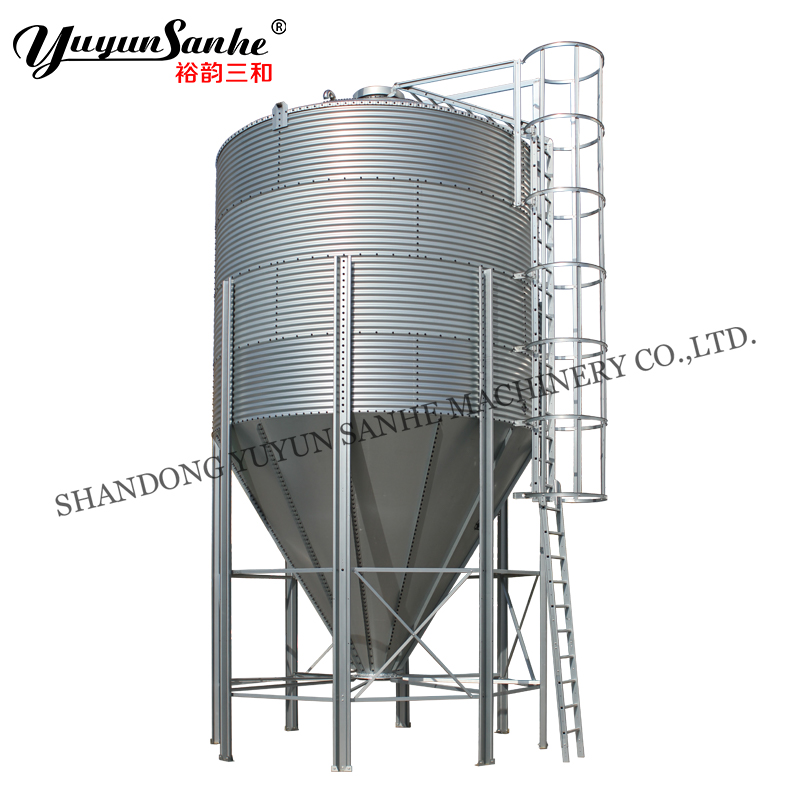
Understanding Specifications for Chicken Feed Storage Solutions

Understanding Specifications for Chicken Feed Storage Solutions

Understanding the specifications of chicken feed storage containers is critical for selecting the right solution. Key specifications to consider include:

Material: Common materials include high-density polyethylene (HDPE) and galvanized steel, which offer durability and resistance to moisture and pests. The choice of material affects not only the container's longevity but also its ability to protect feed from spoilage.

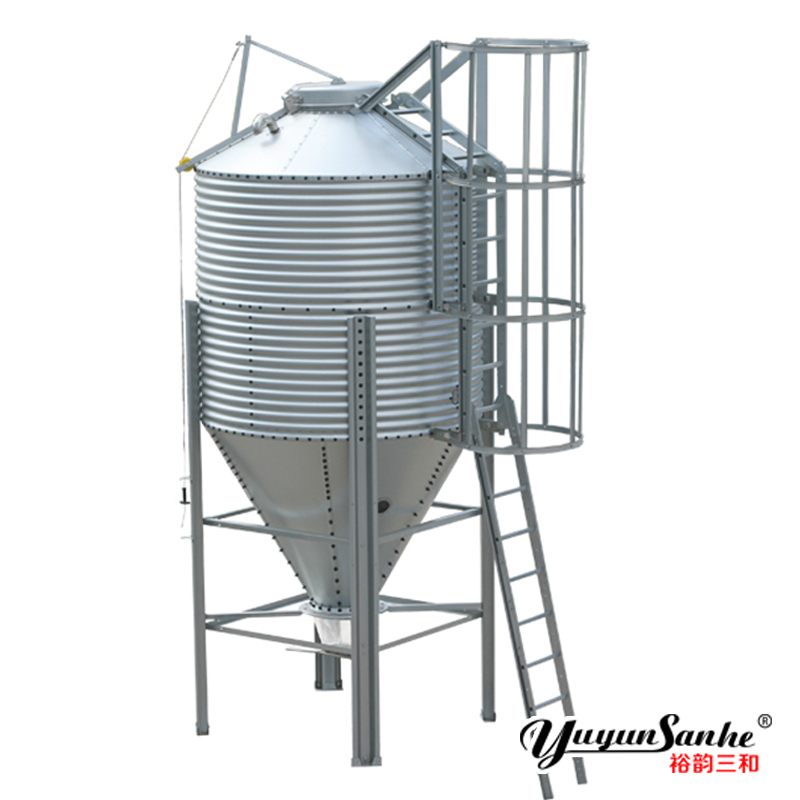
Capacity: Containers come in various sizes, ranging from small bins suitable for local farms to large silos for commercial operations. Assess your specific storage needs based on the volume of feed used.

Ventilation Features: Proper ventilation is essential to prevent moisture buildup, which can lead to mold and spoilage. Look for containers designed with air circulation in mind.

Sealing Mechanisms: A good sealing system prevents contamination and ensures feed remains fresh. Evaluate the quality of lids and seals to ensure they are effective against pests and environmental factors.

Mobility: Depending on your operation, you may need containers that are easy to transport. Consider options with wheels or forklift accessibility.

Each specification plays a crucial role in the container's efficacy, and it’s important to match these details with your specific operational needs.
Cost Factors to Consider When Purchasing Chicken Feed Storage

Cost Factors to Consider When Purchasing Chicken Feed Storage

Cost is a significant factor in the purchasing decision for chicken feed storage containers. Here are several cost-related considerations:

Material Costs: The choice of material directly influences the price. For instance, stainless steel containers are generally more expensive than plastic options but offer superior durability and pest resistance.

Container Size: Larger containers typically have a lower cost per unit of storage but require a higher upfront investment. Assess your storage capacity needs to find a balance between size and cost.

Customization: If specific features or customization options are required, expect additional costs. Customization can include specific dimensions, colors, or additional features like integrated feeders.

Shipping and Handling: Consider the logistics of transporting the containers to your location. Bulk orders may reduce shipping costs, but it’s essential to factor in these expenses when budgeting.

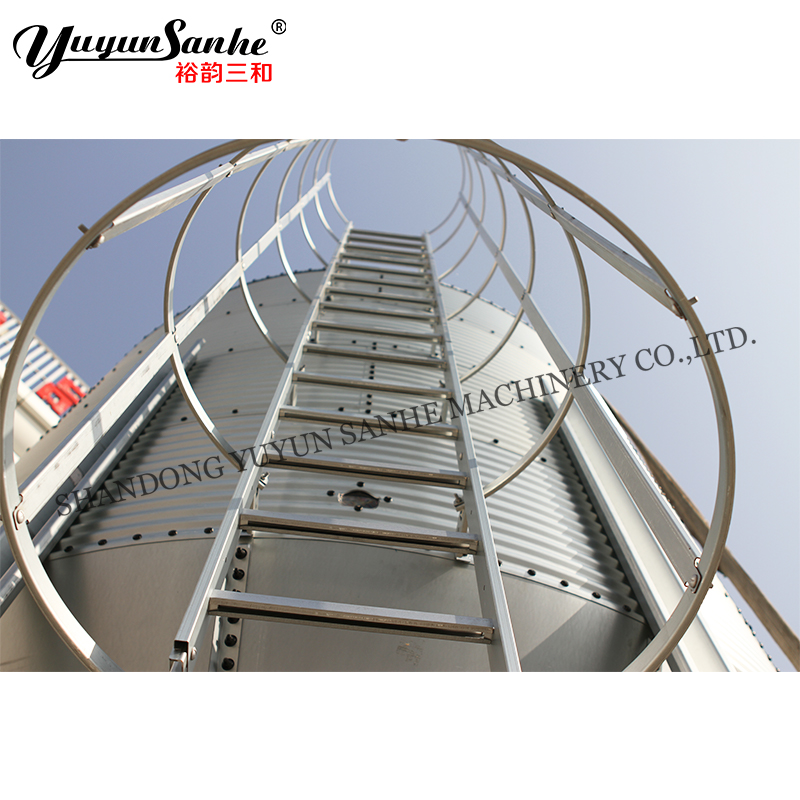
Maintenance and Longevity: A cheaper initial investment may not be cost-effective in the long run if the container requires frequent replacement or repairs. Investing in higher-quality containers, such as Feed Silos, can lead to lower total costs over time.

Evaluating these cost factors helps ensure that you make a financially sound purchasing decision that meets your operational needs.

Installation Guidance for Optimal Chicken Feed Storage Practices

Installation Guidance for Optimal Chicken Feed Storage Practices

Proper installation of chicken feed storage containers is essential for maximizing their effectiveness. Here are some key points to consider during installation:

Location: Choose a dry, shaded area to prevent heat and moisture from affecting feed quality. Avoid placing containers directly on the ground; use pallets to promote airflow and prevent moisture accumulation.

Spacing: Ensure adequate spacing between containers for ease of access and maintenance. This allows for proper ventilation and makes it easier to monitor feed levels.

Secure Anchoring: For larger containers, secure them to prevent tipping or movement, especially in windy conditions. This stability is crucial for safety and operational efficiency.

Regular Inspection: Once installed, regularly check containers for signs of wear, moisture, or pest intrusion. Early detection of issues can prevent larger problems down the line.

By following these installation guidelines, you can optimize the functionality of your chicken feed storage containers and protect the quality of your feed.

Benefits of Bulk Ordering Chicken Feed Storage Containers for Distributors

Bulk ordering chicken feed storage containers offers numerous benefits for distributors:

Cost Savings: Purchasing in bulk often leads to significant discounts, reducing the overall cost per unit. This can improve profit margins for distributors.

Consistent Quality: Ordering in bulk from a single manufacturer ensures that all containers meet the same quality standards, reducing the risk of variability in performance.

Streamlined Inventory Management: Having a larger stock of containers allows distributors to better manage their inventory and meet customer demands promptly, minimizing backorders.

Customization Options: Many manufacturers offer better customization options for bulk orders, allowing distributors to tailor products to their customers' specific needs.

Stronger Supplier Relationships: Establishing a bulk order agreement can foster a long-term relationship with the supplier, leading to better service, support, and future discounts.

For distributors, bulk ordering presents a strategic advantage that can enhance operational efficiency and profitability while ensuring high-quality storage solutions for their clients.

In summary, understanding the nuances of chicken feed storage containers is crucial for making informed purchasing decisions. By considering specifications, costs, installation practices, and the advantages of bulk ordering, B2B buyers can effectively navigate their sourcing challenges and ensure the right solutions for their operations.

Frequently Asked Questions

What sizes are available for chicken feed storage containers?

We offer multiple capacities to fit small to large farms, produced in our 30,000 sqm factory. Contact us with required volume and we will recommend suitable sizes.
Containers are made from durable, food-grade materials with corrosion resistance and RoHS-compliant components to ensure safe feed storage and long service life.
Yes. We provide options compatible with our ventilation and climate systems to prevent moisture buildup and maintain feed quality in varied environments.
Our products are manufactured under strict quality control and hold ISO9001, CE, and RoHS certifications to meet international standards.
Yes. With professional R&D, we offer customization for size, fittings, and integration with feeding systems. Provide requirements for a tailored solution.

Our Blog Posts

Why Exhaust Fans Are Essential for Industrial Applications

14

Oct

Why Exhaust Fans Are Essential for Industrial Applications

Super important, too, are exhaust fans in factories and other places where things are made. They these fans to keep air clean and safe for them to work in. YuyunSanhe has some great exhaust fans that help a lot in these places

Better air qua...
View More
What to Consider When Choosing a Greenhouse Ventilation Fan

28

Nov

What to Consider When Choosing a Greenhouse Ventilation Fan

Picking right greenhouse ventilation fan make big differnce in keep your plants healthy. Good fan help control temp and humidty, which super important for grow veg and flowers. If too much heat or moist, plants can sick or die. So its really key to t...
View More
What to Consider When Selecting an Air Inlet for Poultry Farms?

09

Dec

What to Consider When Selecting an Air Inlet for Poultry Farms?

When designing a poultry pen, it is critical to make the right air inlet choice. It contains the air inside to make it fresh and healthy for the chickens. We’d like to show what you need to know so you can select the best YuyunSanhe air extracto...
View More
Why Proper Ventilation Fans Prevent Crop Disease in Greenhouses?

10

Feb

Why Proper Ventilation Fans Prevent Crop Disease in Greenhouses?

Good airflow is really important thing in greenhouses. Plants they need fresh air so they can grow good and healthy. When the air moves around nice, it keep plants away from many disease. But if air stay stuck and no movement, then problems start com...
View More

Get In Touch

Sophie Dong
Lorna Gao