Choosing the Right Chicken Feed Storage Bins

All Categories

chicken feed storage bins

Chicken feed storage bins are essential components for poultry operations, ensuring that feed remains fresh, dry, and uncontaminated. When selecting the right storage solution, buyers must consider various factors, such as the material of the bins, their capacity, and the specific needs of their operation. This article aims to guide purchasing managers, distributors, and engineers through the essential considerations when choosing chicken feed storage bins, from selection criteria to common issues, helping them make informed decisions that enhance their operational efficiency.
Wholesale Purchasing Options for Chicken Feed Storage Solutions

Wholesale Purchasing Options for Chicken Feed Storage Solutions

When looking to purchase chicken feed storage bins in bulk, buyers have several options to consider. One effective approach is to engage directly with manufacturers, such as Shandong Yuyun Sanhe Machinery Co., Ltd. By working directly with the manufacturer, you can often negotiate pricing, customize specifications, and ensure quality control measures are in place throughout the production process.

Another option includes sourcing through wholesalers or distributors who specialize in agricultural equipment. They may offer various brands and models, allowing you to compare features and prices effortlessly. When choosing a wholesale supplier, verify their reputation and customer service track record. It’s essential to ensure they can meet your order quantities and delivery timelines. Maintenance-Free Variable Speed Direct Drive Exhaust Fan with EC Motor is a great option to consider for effective ventilation during storage.

For significant orders, inquire about minimum order quantities (MOQ) and any potential bulk discounts. This can significantly affect your overall costs and budget planning.
Compare Material Advantages in Chicken Feed Storage Bin Designs

Compare Material Advantages in Chicken Feed Storage Bin Designs

The material of chicken feed storage bins plays a crucial role in their effectiveness and longevity. Here’s a breakdown of common materials and their advantages:

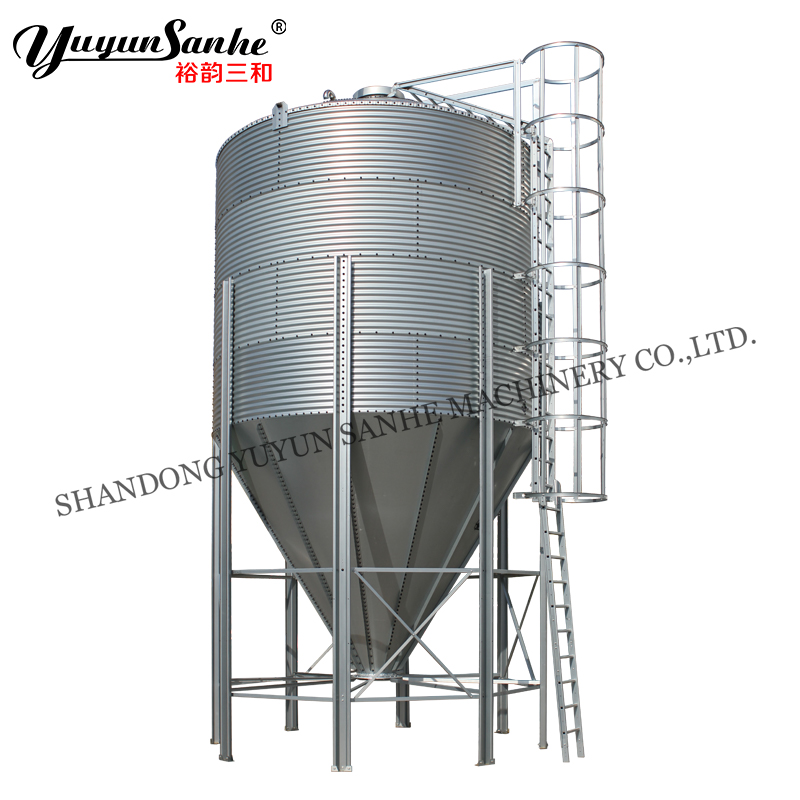
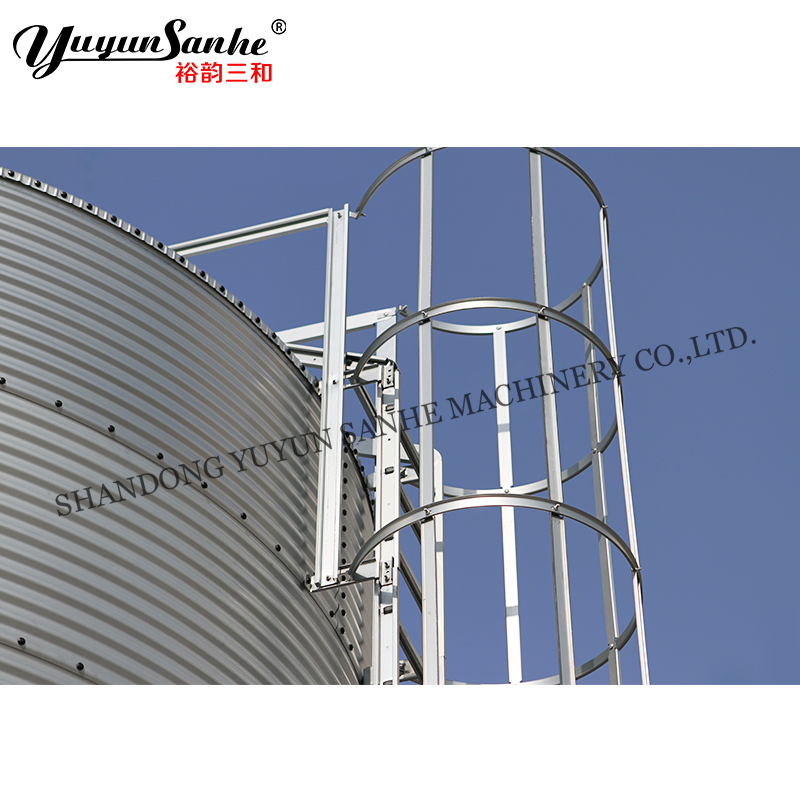
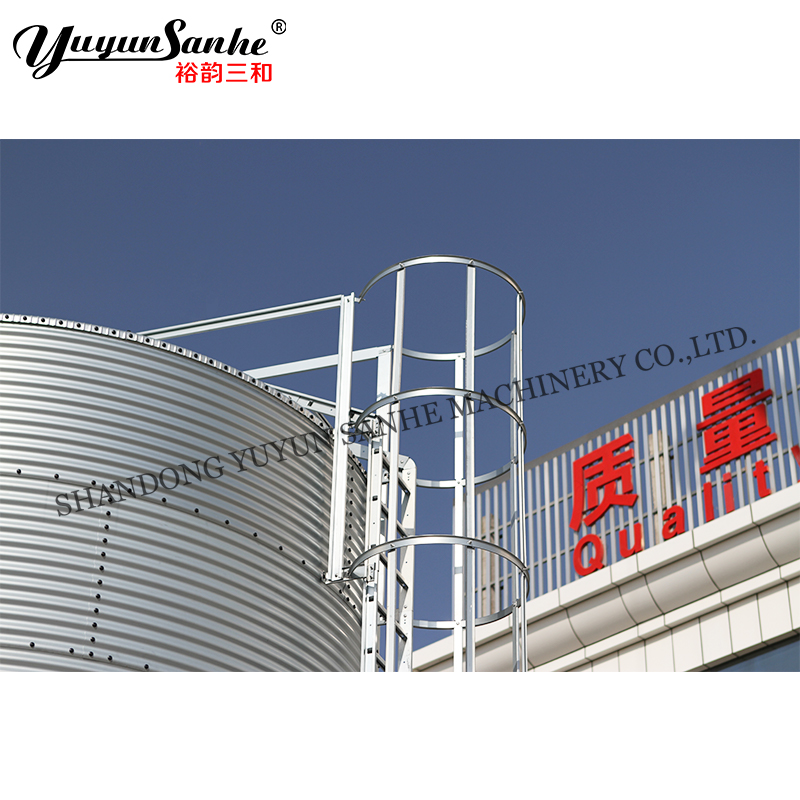
Metal: Typically made from galvanized steel or aluminum, metal bins are robust and provide excellent protection against pests and environmental elements. They are less prone to cracking and can withstand harsh weather conditions, making them suitable for outdoor use. However, they may be heavier and more expensive than other options.

Plastic: Plastic bins are lightweight, making them easy to handle and transport. They resist corrosion and can be molded into various shapes and sizes. Additionally, many plastic bins feature UV stabilizers to protect against sun damage. However, they may not offer the same level of durability as metal options.

Fiberglass: This material combines the lightweight benefits of plastic with superior durability. Fiberglass bins are resistant to impact and can withstand various chemicals, making them suitable for diverse feed types. They also provide excellent insulation, helping to maintain optimal feed conditions.

Ultimately, the choice of material should align with your specific operational requirements, including durability needs, environmental conditions, and budget constraints.

Installation Guidance for Efficient Chicken Feed Storage Systems

Installation Guidance for Efficient Chicken Feed Storage Systems

Proper installation of chicken feed storage bins is vital for ensuring their effectiveness and safety. Here are key considerations when setting up your storage system:

Location: Choose a dry, well-ventilated area to minimize moisture exposure. Avoid placing bins directly on the ground; instead, elevate them on a sturdy base to prevent water accumulation.

Accessibility: Ensure that the bins are easily accessible for both filling and discharging feed. This can be particularly important in larger operations, where quick access can save time during feeding.

Sealing and Ventilation: Check that bins are equipped with appropriate sealing mechanisms to keep out moisture and pests. Proper ventilation is also crucial to prevent condensation buildup, which can lead to feed spoilage. Consider using Electric Shutter Louvers with Belimo Actuator for enhanced ventilation solutions.

Safety Measures: When installing larger bins, ensure they are securely anchored to prevent tipping, especially if they are filled to capacity. Additionally, incorporate safety signage to guide workers in the vicinity.

By following these installation guidelines, you can enhance the longevity and efficiency of your chicken feed storage system.

Common Problems with Chicken Feed Bins and Effective Solutions

Despite their importance, chicken feed storage bins can encounter several issues over time. Here are some common problems and how to address them:

Moisture Accumulation: This can lead to mold growth and spoilage of the feed. To prevent this, regularly check seals for integrity and ensure the bins are installed in a well-ventilated area. Installing humidity indicators can also help monitor moisture levels.

Pest Infestation: Rodents and insects can compromise feed quality. Using metal bins can deter pests effectively. Additionally, implementing regular cleaning protocols will reduce attractants.

Structural Damage: Cracks or dents can occur, especially in plastic bins. Regular inspections are essential, and if damage is noted, consider replacing the bin or using repair kits designed for the specific material.

Feeding Disruption: If bins are not designed for easy access, feed can become stuck or difficult to dispense. Opt for bins with a bottom discharge system to minimize this issue.

By being proactive about these common problems, you can maintain an efficient and effective feed storage system, ensuring the health and productivity of your poultry operation.

Frequently Asked Questions

What sizes are available for chicken feed storage bins?

Our chicken feed storage bins come in multiple capacities to suit small to large farms. We offer custom sizing options made in our 30,000 sqm facility to meet specific volume requirements.
Bins are manufactured from durable, food-safe galvanized steel or treated metal components to resist corrosion and ensure long service life under farm conditions.
Yes. We integrate ventilation and climate control features compatible with our fans and systems to maintain feed quality and prevent moisture buildup.
Yes. We provide RD-supported customization and can adapt bin fittings and controls to integrate with existing feeding or climate control equipment.
Our products are produced under strict quality control and are certified with ISO9001, CE, and RoHS, and are exported to over 70 countries.

Our Blog Posts

Top 4 Motor Directly Drive Exhaust Fan Manufacturers in the USA

16

Jul

Top 4 Motor Directly Drive Exhaust Fan Manufacturers in the USA

Choosing the right exhaust fan is very important for many business, specially those who need keep air moving in factories, warehouses and big spaces. Direct drive exhaust fans are popular becuse they reliable and easy maintain. In USA, lots companies...
View More
Best 5 Manufacturers for Evaporative Air Cooler

19

Jul

Best 5 Manufacturers for Evaporative Air Cooler

When it is hot outside, people always search for way to cool down quickly. One of best option to beat this heat is using evaporative air cooler. These machine use water for make the air cooler. Unlike normal air conditioners, they consume less energy...
View More
The Latest Trends in Air Inlet Manufacturing Technology

15

Dec

The Latest Trends in Air Inlet Manufacturing Technology

The production technology of air inlet is getting better and better, and new trends are constantly emerging in the industry to improve efficiency. As a industrials manufacturing leader, YuyunSanhe is the pioneering company in providing air inlet prod...
View More
How Heaters Support Climate Control in Greenhouses?

16

Feb

How Heaters Support Climate Control in Greenhouses?

In greenhouses, heaters is very important to keep plants healthy and happy. When outside get cold, these heaters warm the air inside, so it become cozy place for plants grow. This matter a lot because plants need right temperature to do well. If too ...
View More

Get In Touch

Sophie Dong
Lorna Gao