
 EN
 AR
 BG
 DA
 NL
 FR
 DE
 EL
 HI
 IT
 JA
 KO
 PL
 PT
 RO
 RU
 ES
 SV
 TL
 ID
 LV
 LT
 SR
 UK
 VI
 HU
 TH
 TR
 FA
 MS
 GA
 AZ
 BN
 LA
 MN
 MY
 KK
 UZ
 KY
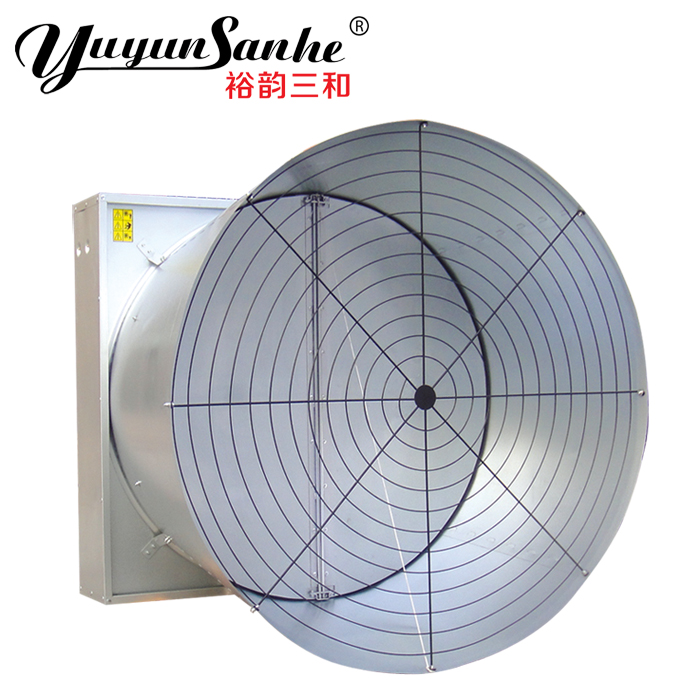
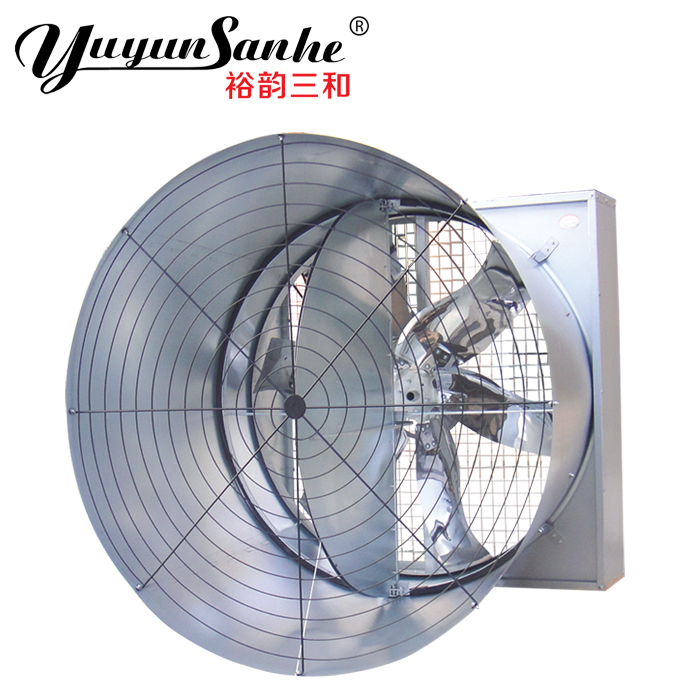
Choosing the right blower industrial fan is crucial for a variety of applications, from industrial ventilation to climate control in commercial settings. As a purchasing manager or engineer, you need to ensure that the fan you select meets your specific operational requirements. This article will guide you through the essential considerations for sourcing a blower industrial fan, covering key specifications, quality control standards, supplier reliability, and cost factors.
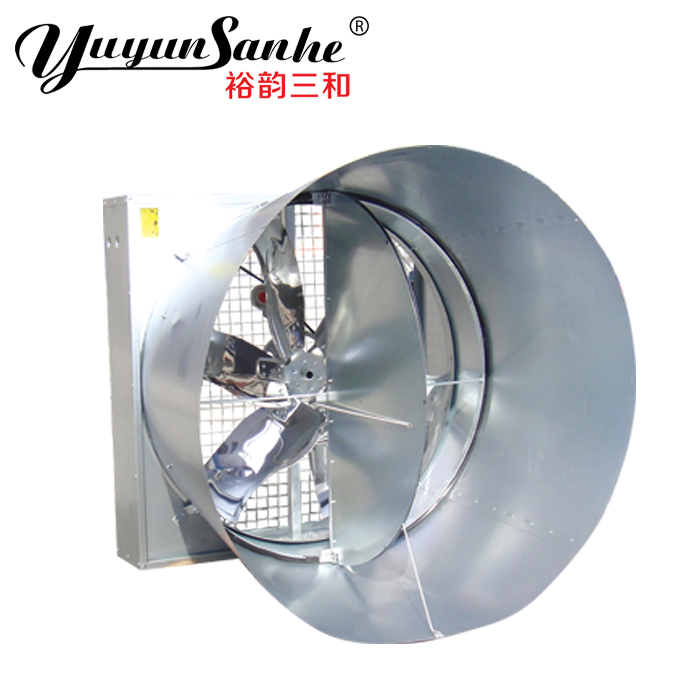
Key Specifications to Evaluate When Sourcing Blower Industrial Fans
When sourcing blower industrial fans, several key specifications should be evaluated:
Airflow Capacity: This is often the first specification to consider. Make sure the fan can deliver the required CFM for your application. Underperformance can lead to serious operational issues.
Static Pressure: This determines how effectively the fan can move air through ductwork or against other system resistances. Evaluate the static pressure requirements of your system to ensure compatibility.
Motor Specifications: Check the motor type (AC or DC), horsepower, and efficiency ratings. A more efficient motor can reduce operational costs over time.
Noise Levels: For applications in noise-sensitive environments, consider fans with lower decibel (dB) ratings. This can be a crucial factor in maintaining a comfortable working atmosphere.
Material Construction: The choice of materials affects durability and performance. Common materials include galvanized steel, aluminum, and plastic. Ensure the materials suit the operating environment and application.
Size and Dimensions: Verify that the fan dimensions fit within the designated installation space. Use the fan's specifications to assess compatibility with existing systems.
Evaluating these specifications will help ensure that the fan you select is capable of performing to your expectations.

 Sophie Dong

