
 EN
 AR
 BG
 DA
 NL
 FR
 DE
 EL
 HI
 IT
 JA
 KO
 PL
 PT
 RO
 RU
 ES
 SV
 TL
 ID
 LV
 LT
 SR
 UK
 VI
 HU
 TH
 TR
 FA
 MS
 GA
 AZ
 BN
 LA
 MN
 MY
 KK
 UZ
 KY
When selecting an axial ventilation fan for your project, it's crucial to consider various factors that can impact performance, energy efficiency, and suitability for your specific application. Axial ventilation fans are designed to move air efficiently in a variety of industrial and commercial environments. This article will guide you through the essential considerations for selecting the right axial ventilation fan, including key specifications, quality evaluation, installation guidelines, and cost factors, ensuring that you make an informed purchasing decision.
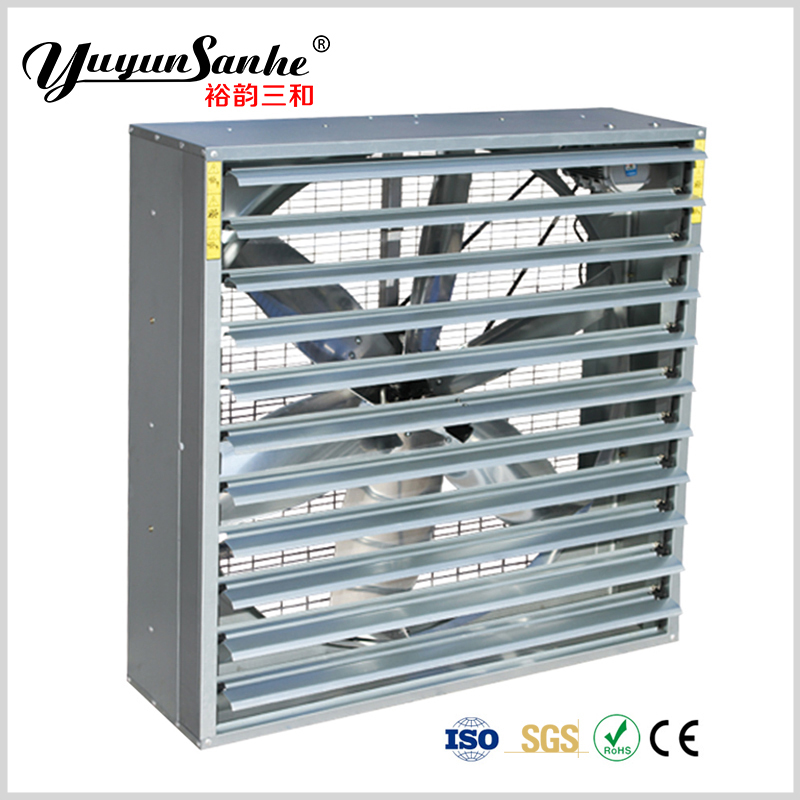
Reliable Suppliers of Axial Ventilation Fans
Understanding the technical specifications of axial ventilation fans is essential for wholesale buyers. Key specifications include:
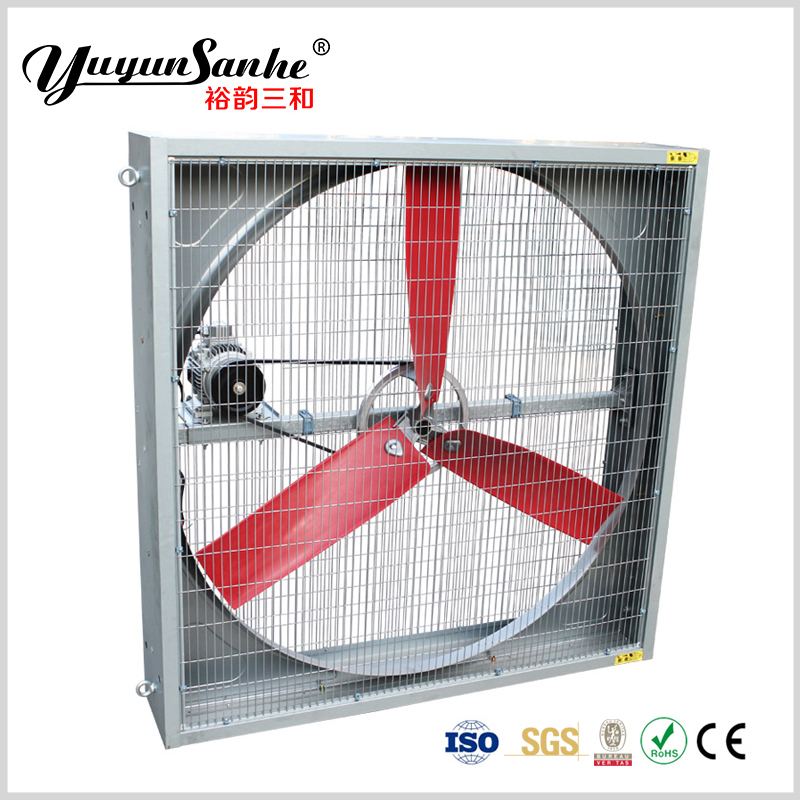
Airflow Rate: Measured in CFM, this indicates how much air the fan can move. Ensure that the fan’s airflow rate meets your project’s requirements.Static Pressure: The resistance that the fan must overcome to move air through ducts or other obstacles. This is typically measured in inches of water gauge (in. wg).Motor Power: Usually expressed in horsepower (HP) or kilowatts (kW), the motor power must be sufficient to drive the fan at the desired airflow and pressure levels.Blade Design: The shape and angle of the blades affect the efficiency and noise level of the fan. Curved blades often provide better airflow and lower noise compared to straight blades.Speed Control Options: Some fans come with variable speed options to allow better control over airflow depending on the application needs. Each of these specifications plays a vital role in determining the fan's performance and suitability for specific applications.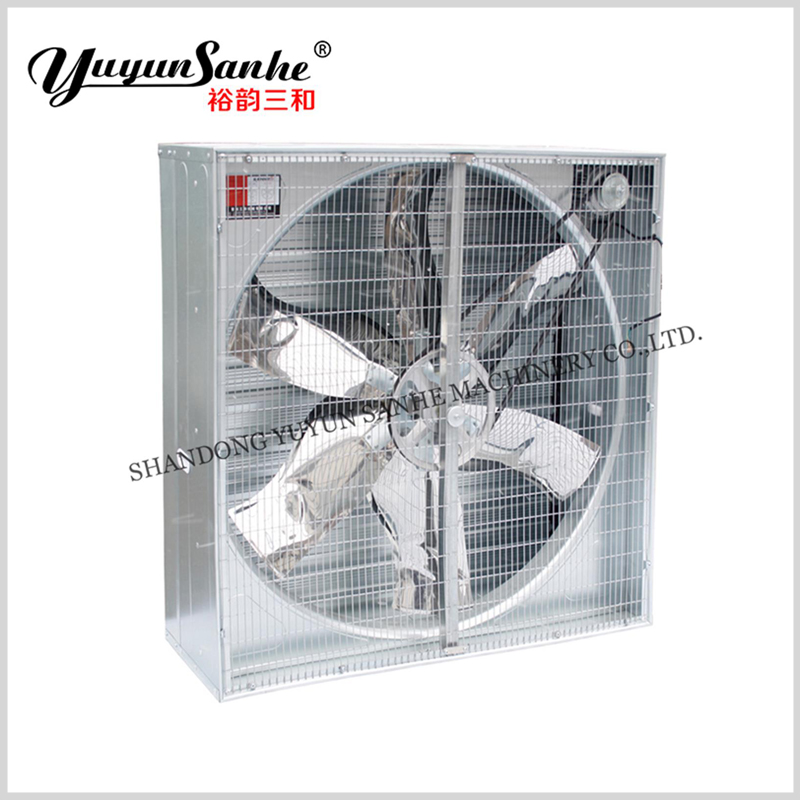
 Sophie Dong

