How to Choose the Right Axial Fan for Ventilation

All Categories

axial fan for ventilation

Choosing the right axial fan for ventilation is crucial for ensuring optimal air circulation and temperature control in various industrial and commercial settings. As a B2B buyer, your primary concerns likely include performance capabilities, quality assurance, and the ability to meet specific application needs. This article will guide you through the selection process, quality control standards, and common issues to help you make informed purchasing decisions for axial fans.
Evaluating Quality Control Standards for Axial Fans in Wholesale Purchases

Evaluating Quality Control Standards for Axial Fans in Wholesale Purchases

Quality control is paramount when sourcing axial fans for bulk orders. As a buyer, consider the following quality assurance measures:

Certifications: Look for manufacturers with ISO9001, CE, and RoHS certifications, which indicate adherence to international quality and safety standards. These certifications ensure that the products meet regulatory requirements.

Testing Procedures: Inquire about the testing processes the manufacturer employs. Reliable manufacturers will conduct performance testing, durability assessments, and safety checks on their products.

Quality Inspection Reports: Request quality inspection reports from previous batches. These documents provide insights into the manufacturing process and highlight any recurring issues.

Sample Approval: Before committing to a large order, request samples to evaluate the fan's performance and quality. This step helps confirm that the product meets your specifications in real-world conditions.

Supplier Reputation: Research the supplier's reputation in the market. Reviews and testimonials from previous clients can provide valuable insights into their reliability and product quality.

By prioritizing these quality control standards, buyers can mitigate risks associated with bulk purchases and ensure they receive products that meet their expectations.
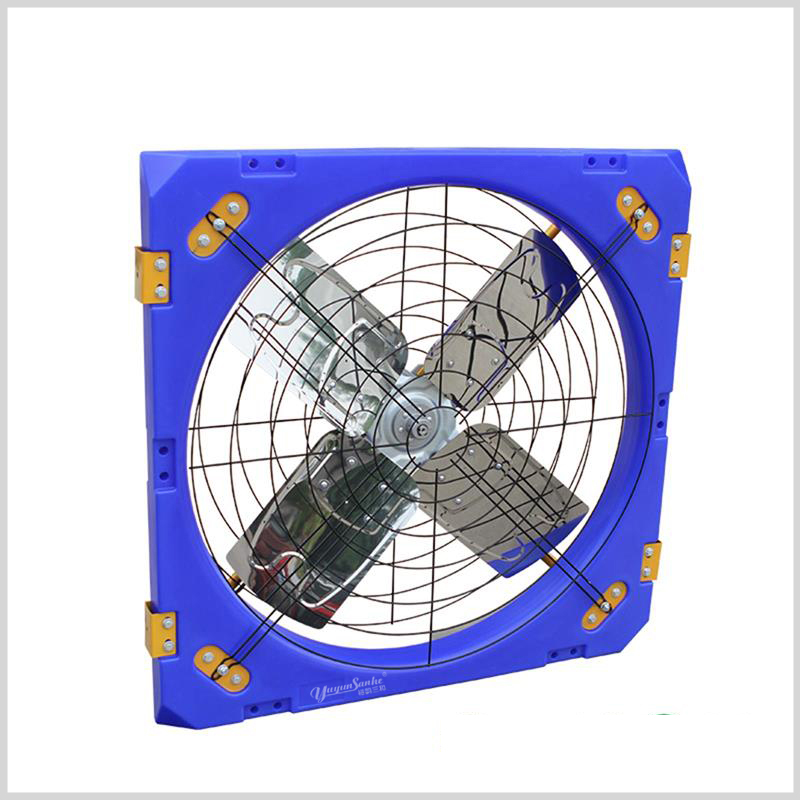
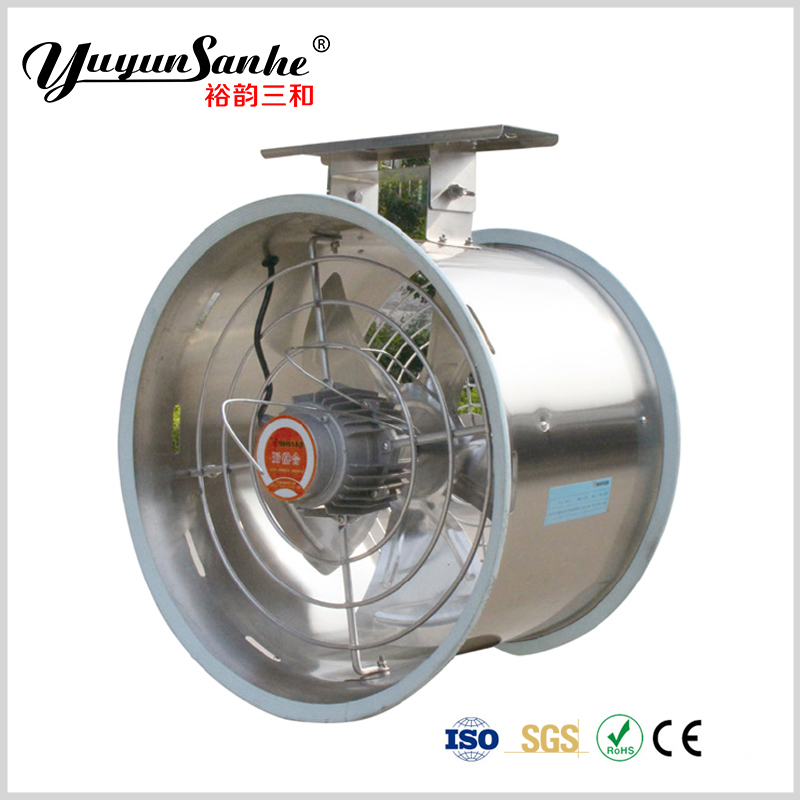
A Guide for Importers and Distributors

A Guide for Importers and Distributors

For importers and distributors, understanding the logistics and legalities surrounding axial fan procurement is essential. Consider the following guidelines:

Import Regulations: Familiarize yourself with the import regulations in your country. Ensure that the products comply with local standards, which may include safety, emissions, and energy efficiency requirements.

Customs Clearance: Prepare all necessary documentation for customs clearance, including invoices, packing lists, and certificates of origin. Clear communication with your supplier can streamline this process.

Shipping and Handling: Discuss packaging methods with your manufacturer to ensure the fans are adequately protected during transit. Consider whether you need special handling for fragile components.

Minimum Order Quantity (MOQ): Understand the supplier's minimum order quantities and how that affects your purchasing strategy. Negotiating MOQs can be crucial for managing inventory and cash flow.

After-Sales Support: Inquire about the manufacturer's after-sales support, including warranty terms, service availability, and return policies. Strong support can enhance your customer satisfaction and retention.

By focusing on these aspects, importers and distributors can facilitate smoother transactions and build lasting relationships with manufacturers.

Ensuring Optimal Performance

Ensuring Optimal Performance

To ensure optimal performance of axial fans in your operational environment, consider the following:

Installation Guidelines: Follow the manufacturer's installation guidelines carefully. Proper installation minimizes performance issues and extends the lifespan of the fan.

Regular Maintenance: Implement a routine maintenance schedule to check for dust accumulation, motor wear, and bearing lubrication. Regular maintenance helps prevent operational failures.

Performance Monitoring: Utilize monitoring systems to track airflow, energy consumption, and operational efficiency. This data can help you identify potential issues before they escalate.

Compatibility Checks: Ensure that the axial fan is compatible with your existing systems, such as ductwork and electrical setups. Incompatibilities can lead to performance inefficiencies. If you need specific components, consider looking into Swine Equipment that could complement your setup.

By adhering to these practices, you can maximize the performance of your axial fans and ensure they operate effectively in your specific applications.

Common Problems with Axial Fans and Effective Solutions for Buyers

Understanding common issues associated with axial fans can help buyers make informed decisions and reduce downtime. Here are some typical concerns and their solutions:

Vibration Issues: Vibration can be caused by imbalanced blades or improper mounting. Ensure that the fan is installed on a stable surface and check for any signs of wear or damage that could affect balance.

Noise Complaints: Excessive noise can stem from mechanical issues or misalignment. Regular maintenance and alignment checks can mitigate this problem.

Reduced Airflow: If airflow diminishes over time, inspect the fan for blockages or damage to the blades. Ensure that filters and ducts are clean to maintain optimal airflow.

Electrical Failures: Electrical failures can arise from poor wiring or power supply issues. Regularly inspect the electrical components and ensure that they meet the required specifications.

Overheating: Overheating can occur due to insufficient airflow or mechanical friction. Regularly check for obstructions and ensure that the fan's motor is adequately cooled.

By proactively addressing these common issues, buyers can ensure the longevity and reliability of their axial fans, ultimately leading to better operational efficiency.

Frequently Asked Questions

What applications suit this axial fan for ventilation?

Designed for industrial, agricultural, commercial, and residential ventilation, including greenhouses, workshops, poultry houses, and HVAC systems.
Our fans are certified with ISO9001, CE, and RoHS, ensuring quality, safety, and environmental compliance.
We offer multiple diameters and motor options to provide varied airflow and static pressure; exact specs available on request to match your needs.
Manufactured in our 30,000 sqm factory with strict QC processes; warranty terms and service details available upon inquiry.
Contact our sales team with required specs, application details, and quantities; we provide quotes, CAD drawings, and technical assistance.

Our Blog Posts

What Safety Standards Should Exhaust Fans Comply With?

18

Oct

What Safety Standards Should Exhaust Fans Comply With?

Exhaust fans are essential in keeping your home safe and healthy, especially in areas such as the kitchen and bathroom. But, it’s also critical that these fans are safe to use. These safety standards go a long way to ensure that the fans are doing th...
View More
Latest Trends in Industrial Ventilation Fan Technology

30

Oct

Latest Trends in Industrial Ventilation Fan Technology

Industrial ventilation fans have indeed evolved over the years! And the new fans made by companies like YuyunSanhe are smart as well as strong. They cool and refresh big spaces, such as factories or warehouses. Now let’s get to the most recent indust...
View More
How Greenhouse Ventilation Fans Regulate Temperature and Humidity?

30

Nov

How Greenhouse Ventilation Fans Regulate Temperature and Humidity?

Greenhouses are large glass or plastic homes for plants. They must be warm enough and have an appropriate level of humidity for plants to grow well. That’s where greenhouse ventilation fans come to the rescue. These fans, similar to those from YuyunS...
View More
How Heaters Support Climate Control in Greenhouses?

16

Feb

How Heaters Support Climate Control in Greenhouses?

In greenhouses, heaters is very important to keep plants healthy and happy. When outside get cold, these heaters warm the air inside, so it become cozy place for plants grow. This matter a lot because plants need right temperature to do well. If too ...
View More

Get In Touch

Sophie Dong
Lorna Gao