Choosing the Right Automatic Greenhouse Ventilation

All Categories

automatic greenhouse ventilation

Automatic greenhouse ventilation systems are essential for maintaining optimal growing conditions in agricultural settings. These systems help regulate temperature and humidity, which are critical for plant health and productivity. As a B2B buyer, understanding the various aspects of automatic greenhouse ventilation—such as specifications, installation, and real-world applications—can significantly impact your purchasing decision. This article will provide practical insights and guidance to help you select the right ventilation systems for your needs.

Key Specifications to Evaluate in Greenhouse Ventilation Products

Key Specifications to Evaluate in Greenhouse Ventilation Products

When evaluating automatic greenhouse ventilation products, several specifications are critical to ensuring optimal performance:

Airflow Capacity: Measured in cubic feet per minute (CFM), this specification indicates how much air the system can move. Ensure that the airflow capacity matches the size of your greenhouse and the specific ventilation needs of your plants.

Fan Type: Different fan types—such as axial fans and centrifugal fans—offer various benefits. Axial fans are typically more efficient in moving large volumes of air, while centrifugal fans can generate higher pressures, making them suitable for ducted applications.

Control Systems: Advanced control systems allow for automation based on temperature and humidity sensors. Look for systems that integrate with existing greenhouse management software for seamless operation.

Durability and Materials: The materials used in the construction of fans and housing should be resistant to moisture and corrosion. This is particularly important in humid greenhouse environments to ensure longevity and reduce maintenance costs.

Noise Levels: Consider the noise levels of the ventilation system, especially if the greenhouse is near residential areas. Select models that minimize noise without compromising performance.
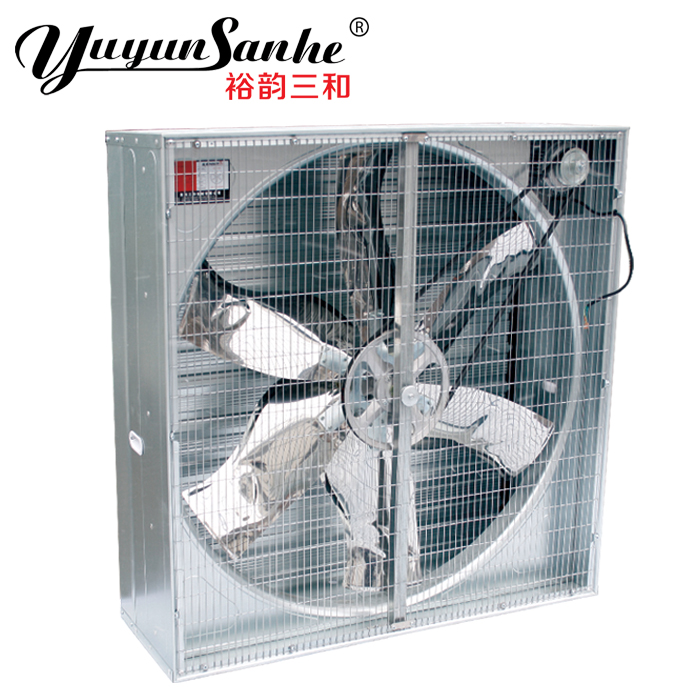
Why Trust Matters in Ventilation System Sourcing

Why Trust Matters in Ventilation System Sourcing

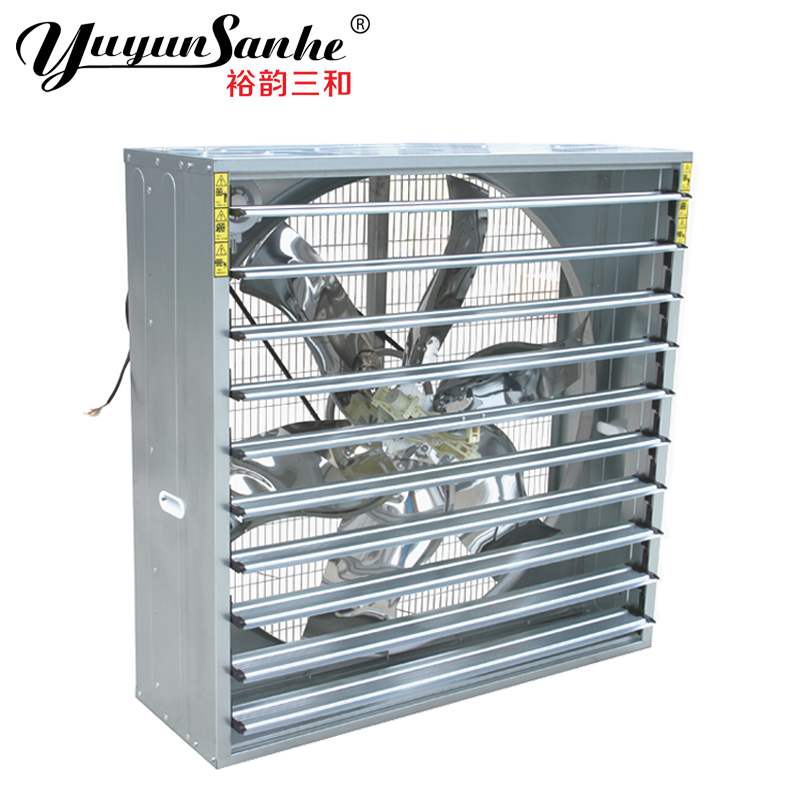
When sourcing ventilation systems, trust in your supplier is paramount. A reputable manufacturer, such as Shandong Yuyun Sanhe Machinery Co., Ltd., with proven industry experience and certifications like ISO9001, CE, and RoHS, can provide assurance of product quality and reliability.

Additionally, consider the supplier's track record with previous customers. Look for testimonials or case studies that demonstrate successful installations and customer satisfaction. A trustworthy supplier should also be willing to provide detailed product specifications, installation guidance, and ongoing support. For example, the Maintenance-Free Variable Speed Direct Drive Exhaust Fan with EC Motor is a great option that many customers have found reliable.

Furthermore, ensure the supplier has a transparent quality control process in place. This includes thorough testing of products before they reach the market and a commitment to continuous improvement based on customer feedback.

Installation Guidance for Automatic Greenhouse Ventilation Systems

Installation Guidance for Automatic Greenhouse Ventilation Systems

Proper installation of automatic greenhouse ventilation systems is crucial for achieving optimal performance. Begin by reviewing the manufacturer's installation guidelines, which typically include detailed diagrams and step-by-step instructions.

Location Planning: Determine the best locations for installing ventilation fans to maximize airflow and ensure even distribution throughout the greenhouse. Avoid placing fans too close to walls or obstructions that could impede airflow.

Electrical Requirements: Ensure that electrical connections comply with local codes and that the power supply matches the specifications of the ventilation system. It may be necessary to consult a qualified electrician for installation.

System Integration: If your ventilation system includes sensors and automation controls, plan for their integration within the greenhouse management system. Ensure that sensors are placed in areas representative of the overall greenhouse environment to provide accurate readings.

Testing: After installation, conduct a thorough test of the system to ensure all fans operate as intended and that airflow is adequate throughout the greenhouse. Adjust settings as necessary to optimize performance.

Real-World Applications of Automatic Greenhouse Ventilation Systems

Automatic greenhouse ventilation systems are utilized across various agricultural sectors, from commercial vegetable production to ornamental horticulture. For instance, in tomato cultivation, precise temperature and humidity control can enhance fruit quality and yield. Automatic systems help maintain consistent conditions, reducing stress on plants and preventing diseases.

In ornamental plant production, effective ventilation can improve plant aesthetics and health by preventing mold and mildew growth. The ability to adjust airflow based on real-time conditions allows growers to respond quickly to environmental changes. Implementing systems like the Electric Shutter Louvers with Belimo Actuator can further enhance these capabilities.

Moreover, in regions with extreme weather conditions, automatic greenhouse ventilation systems can provide critical protection for crops. By ensuring that excess heat is dissipated during the day and maintaining warmth at night, these systems contribute to a more stable growing environment year-round.

Understanding the intricacies of automatic greenhouse ventilation systems is vital for making informed purchasing decisions. By considering your specific needs and evaluating key specifications, you can select a system that enhances plant health and productivity while ensuring optimal efficiency.

Frequently Asked Questions

What is automatic greenhouse ventilation?

Automatic greenhouse ventilation is a climate control system that opens vents or operates fans automatically to regulate temperature, humidity, and air exchange for healthier plant growth.
Our system includes automated vents, axial fans, controllers, sensors, and mounting hardware, all produced in our 30,000 sqm factory with strict quality control.
Yes. Our ventilation solutions are modular and can be customized to fit most greenhouse sizes and structures. We provide technical guidance for integration.
We hold ISO9001 quality management certification and CE and RoHS certifications for safety and environmental compliance.
We provide technical support, installation guidance, spare parts supply, and a standard warranty. Specific terms are provided with each order and can be discussed with our sales team.

Our Blog Posts

What Safety Standards Should Poultry Farm Equipment Meet?

09

Oct

What Safety Standards Should Poultry Farm Equipment Meet?

With poultry farming being a sensitive practice, the equipment you use is of utmost importance, both for the safety and health of the personnel and the birds. It’s crucial for this equipment to meet very rigorous safety standards for both lives at st...
View More
How Environmental Control Equipment Supports Optimal Poultry Health

10

Oct

How Environmental Control Equipment Supports Optimal Poultry Health

Farmers’ flocks are super important to them because they need their chickens to stay healthy. Environmental control equipment can be used to help ensure that chickens are in good health. This sort of equipment can control the air, temperature and lig...
View More
What Makes a High-Performance Industrial Ventilation Fan

25

Oct

What Makes a High-Performance Industrial Ventilation Fan

Certain features distinguish the best models when it comes to high-performance industrial ventilation fans. If you know what these features are, it can help you to find the perfect fan you need. YuyunSanhe provides high standard industrial fans that ...
View More
How Industrial Ventilation Fans Improve Airflow Efficiency?

08

Feb

How Industrial Ventilation Fans Improve Airflow Efficiency?

Industrial ventilation fans play big role to keep air moving around in factories and other work places. They make sure air stay fresh and clean mostly. When air flow good, workers feel more comfortable and stay healthy too. For example in factory wit...
View More

Get In Touch

Sophie Dong
Lorna Gao