
 EN
 AR
 BG
 DA
 NL
 FR
 DE
 EL
 HI
 IT
 JA
 KO
 PL
 PT
 RO
 RU
 ES
 SV
 TL
 ID
 LV
 LT
 SR
 UK
 VI
 HU
 TH
 TR
 FA
 MS
 GA
 AZ
 BN
 LA
 MN
 MY
 KK
 UZ
 KY
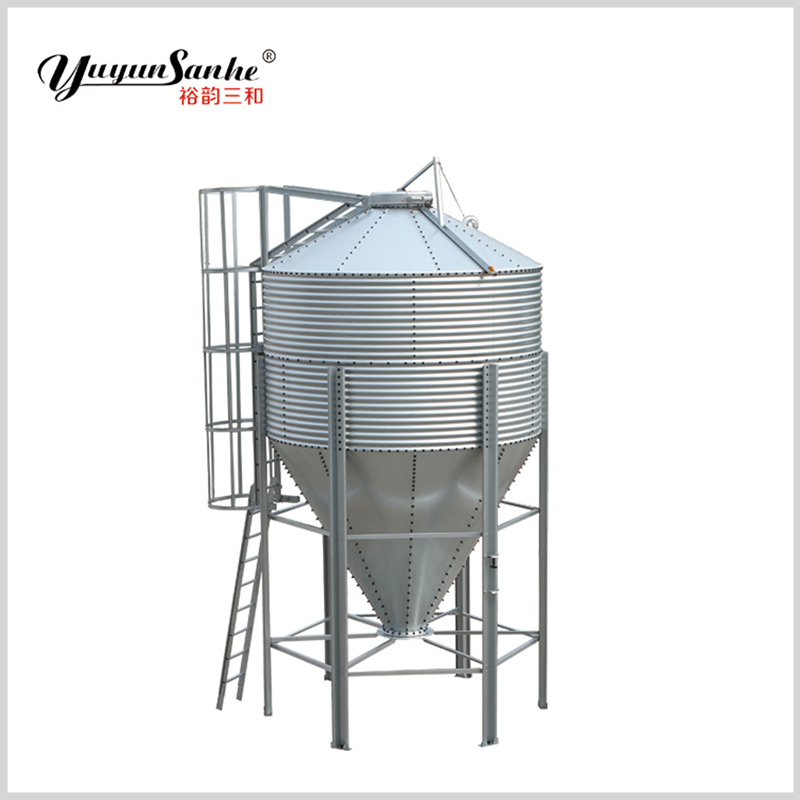
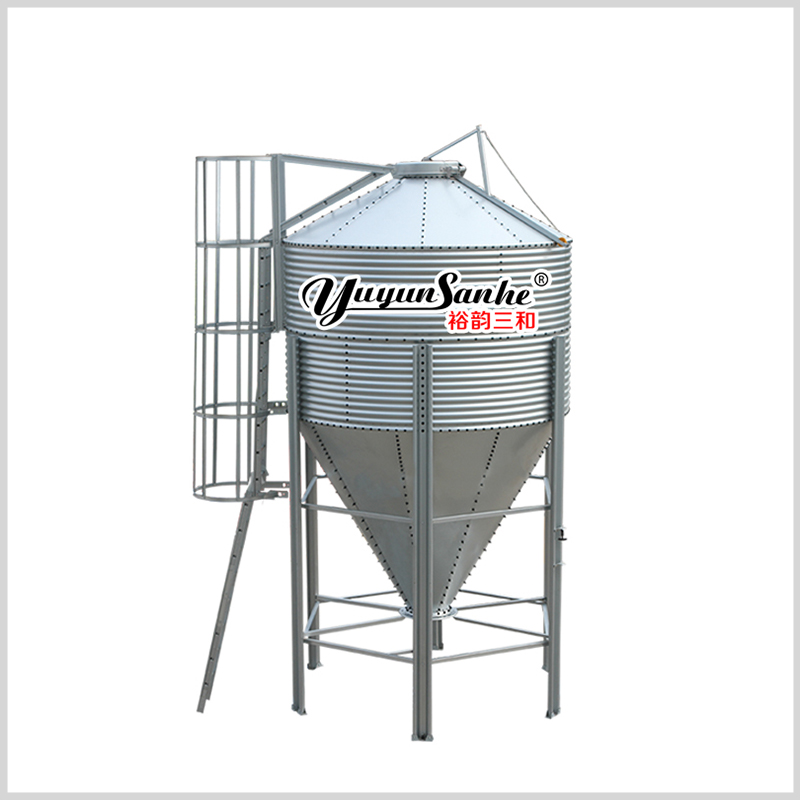
Animal feed storage silos are essential for the efficient storage and management of feed, ensuring quality and minimizing waste. For B2B buyers, key concerns often include the animal feed storage silos capacity, material durability, and the ability to withstand various environmental conditions. This article aims to provide a thorough understanding of chicken feed silo, addressing common issues, costs, and installation guidelines.

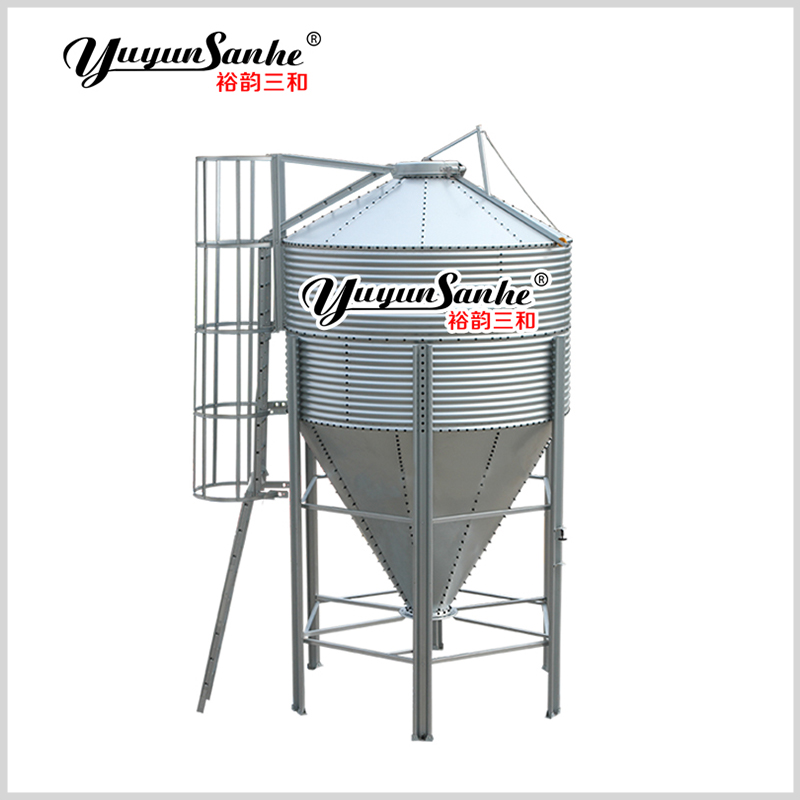
A Guide
When purchasing YuyunSanhe animal feed storage silos, there are several key specifications to consider:
Capacity: Silos are available in various sizes, typically measured in tons or cubic meters. Assess your feed requirements to determine the appropriate capacity.
Material: The choice of material affects both durability and insulation. Galvanized steel is commonly used for its strength and longevity, while fiberglass can provide better insulation against temperature fluctuations.
Structural Integrity: Ensure that the galvanized steel silo meets relevant safety standards and load requirements. This includes confirming the maximum weight it can handle without structural failure.
Ventilation and Aeration: Proper airflow is crucial to maintain feed quality. Silos equipped with ventilation systems help to keep feed dry and reduce spoilage.

 Sophie Dong

