
 EN
 AR
 BG
 DA
 NL
 FR
 DE
 EL
 HI
 IT
 JA
 KO
 PL
 PT
 RO
 RU
 ES
 SV
 TL
 ID
 LV
 LT
 SR
 UK
 VI
 HU
 TH
 TR
 FA
 MS
 GA
 AZ
 BN
 LA
 MN
 MY
 KK
 UZ
 KY
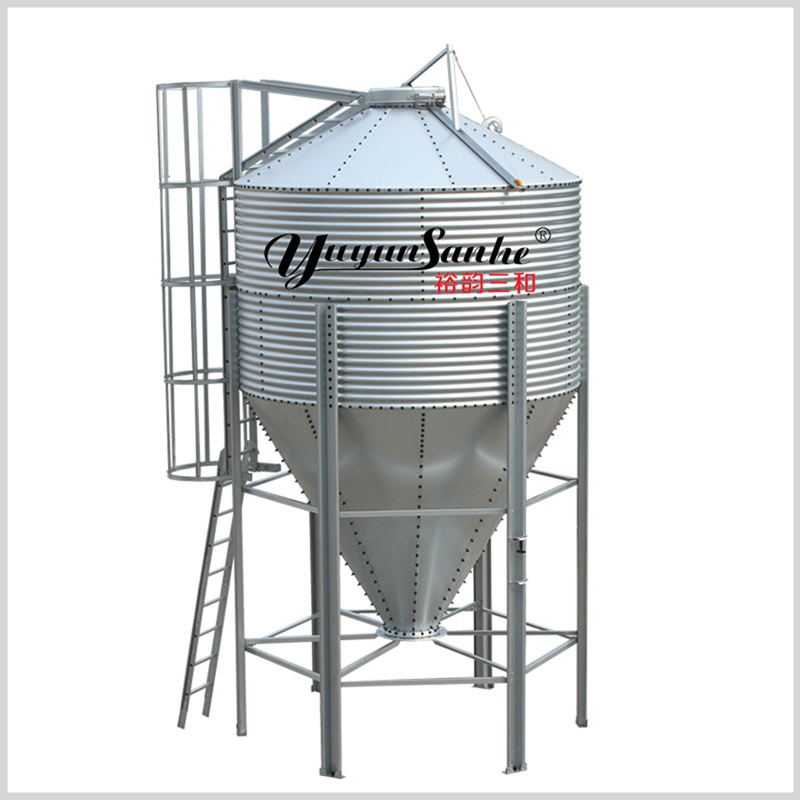
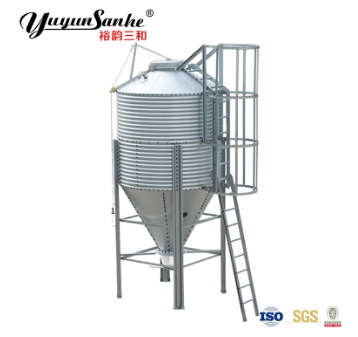
When it comes to managing animal feed effectively, an animal feed silo plays a crucial role in ensuring that feed is stored safely and efficiently. This article will explore key considerations for buyers involved in acquiring animal feed silos, focusing on factors like selection, supplier evaluation, costs, and common issues. By addressing these topics, we aim to equip purchasing managers and other professionals with the knowledge they need to make informed decisions.
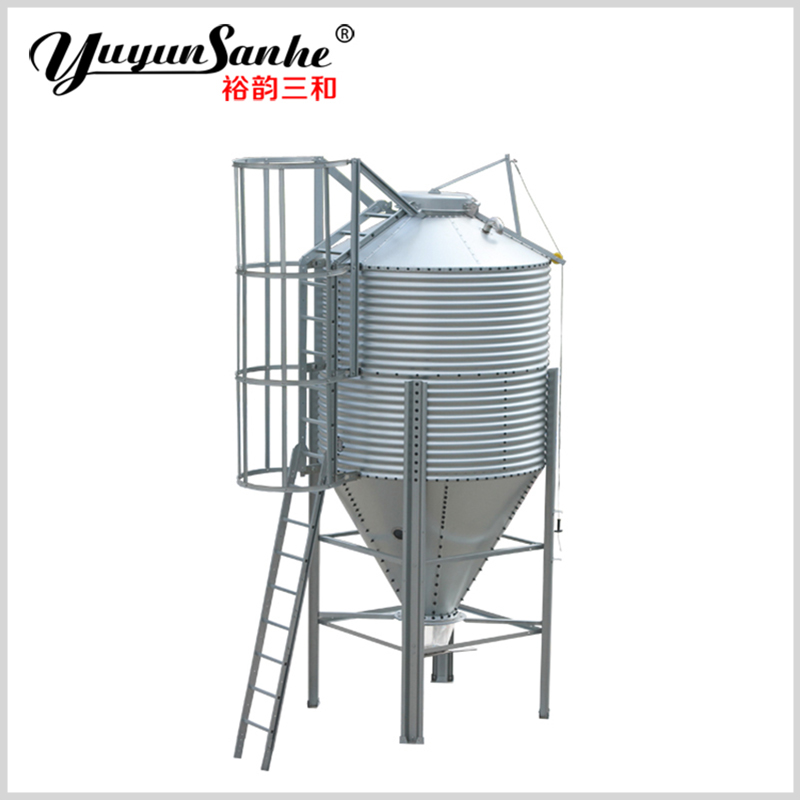
How to Compare Animal Feed Silo Suppliers Effectively
When comparing suppliers of animal feed silos, it's imperative to establish a clear set of criteria. Start by reviewing their manufacturing capabilities and experience; a supplier with a solid background in producing high-quality silos is likely to better understand the nuances of your requirements.
Next, examine certifications such as ISO9001, CE, and RoHS, which indicate adherence to international quality and safety standards. These certifications can provide assurance regarding the reliability and safety of the silos being offered. Additionally, consider the supplier's experience in exporting to various markets. A supplier with a global presence may have insights into different regulations and standards that could affect your purchase.
Furthermore, request detailed product specifications, including material thickness, silo dimensions, and design features. Pay attention to lead times and minimum order quantities (MOQ), as these factors can directly affect your operations. A transparent supplier will provide clear information about these aspects, helping you gauge their reliability.
 Sophie Dong

